
Cuban Cigars300 cigars
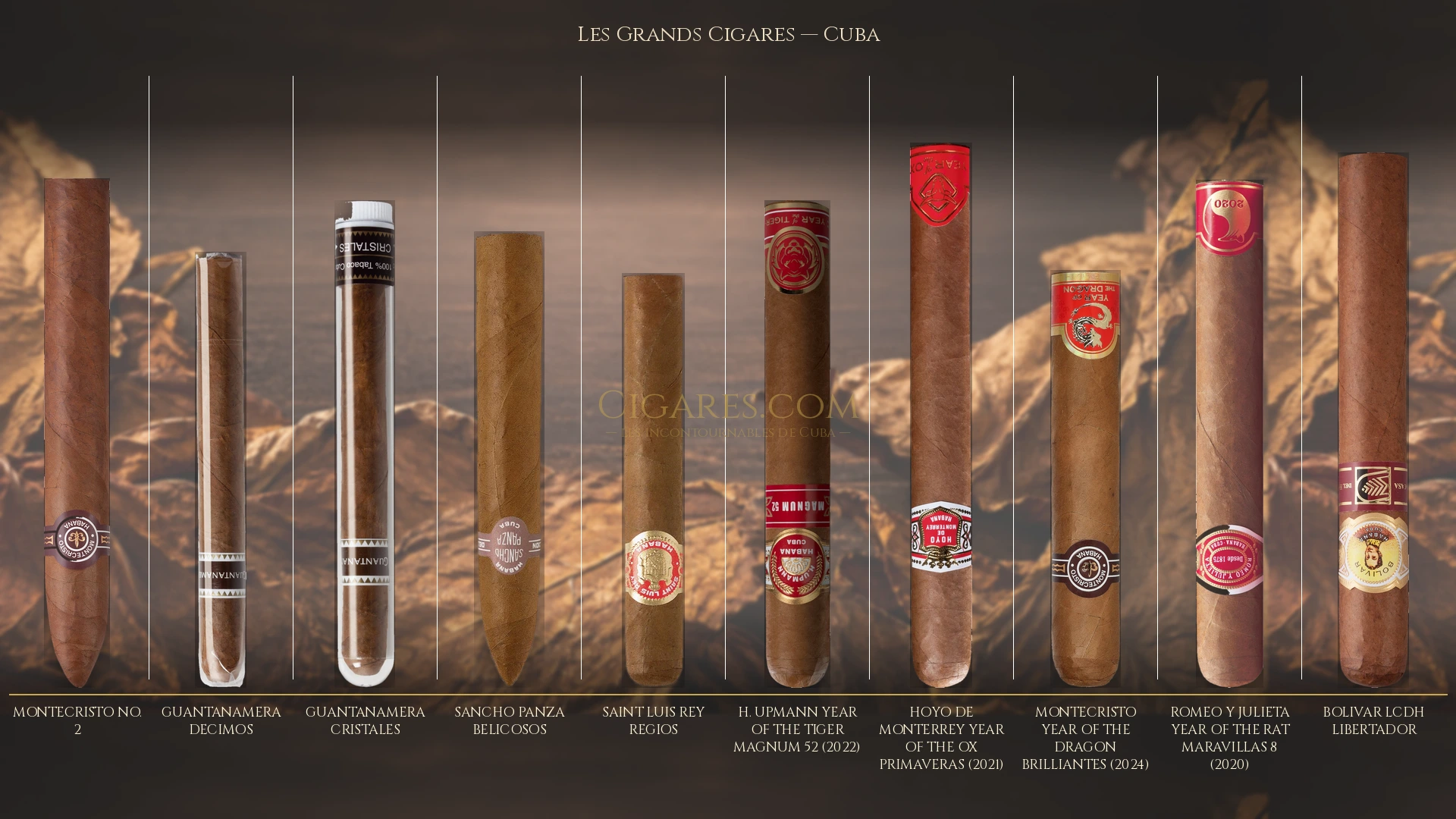
The history of the Cuban cigar begins at the same time as the history of tobacco in general. The tobacco plant is native to South America. While it is impossible to say precisely when it was brought to Cuba, it can be stated that this occurred between 3000 and 2000 BC.
The indigenous people regarded tobacco as a miraculous medicine and an essential element in religious, political, and social ceremonies. It was a part of their agriculture and an inseparable part of life.
Related Brands
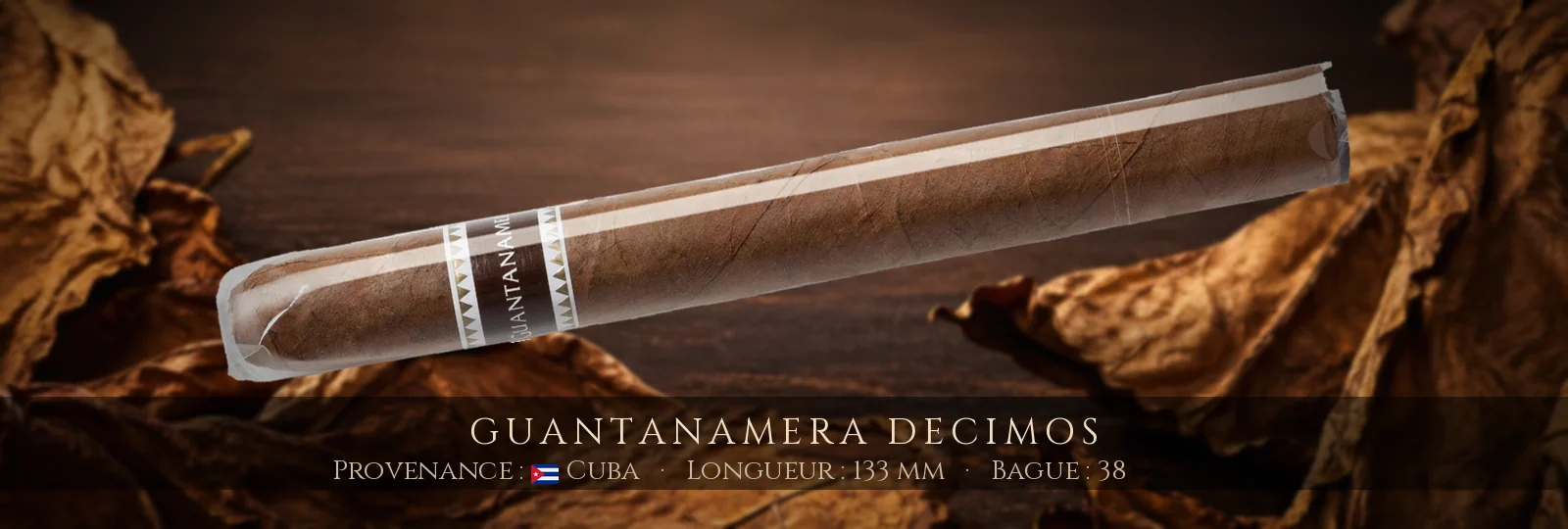
Guantanamera
Guantanamera Decimos
Cuba · Petit Panetela
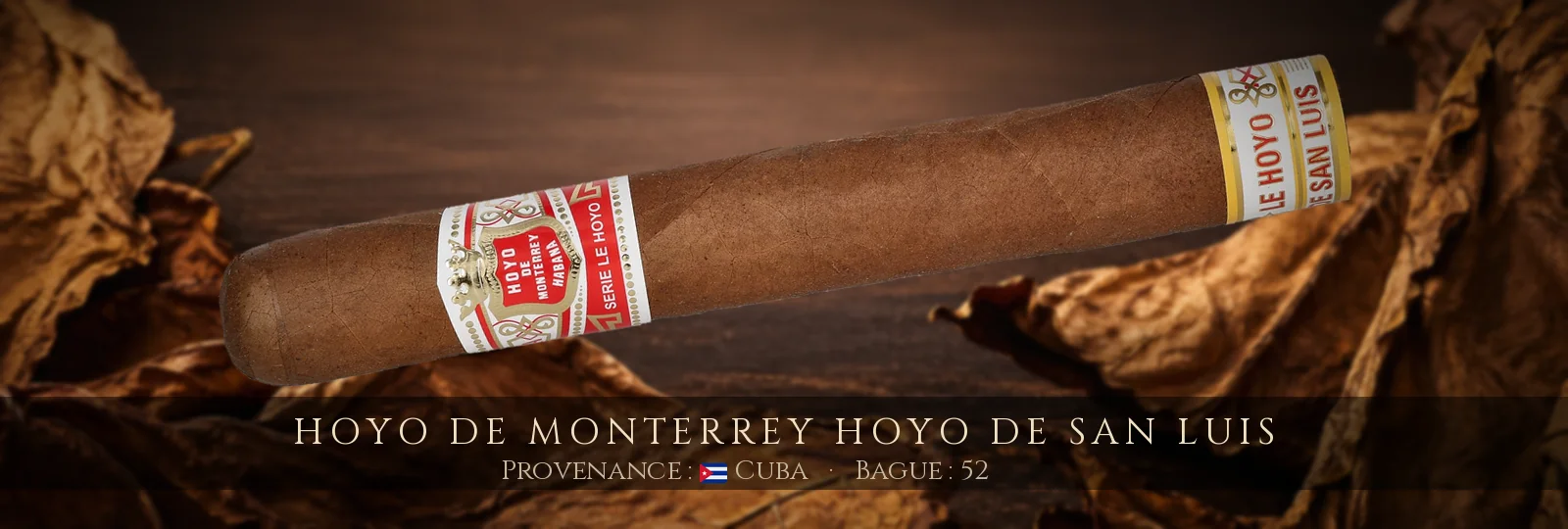
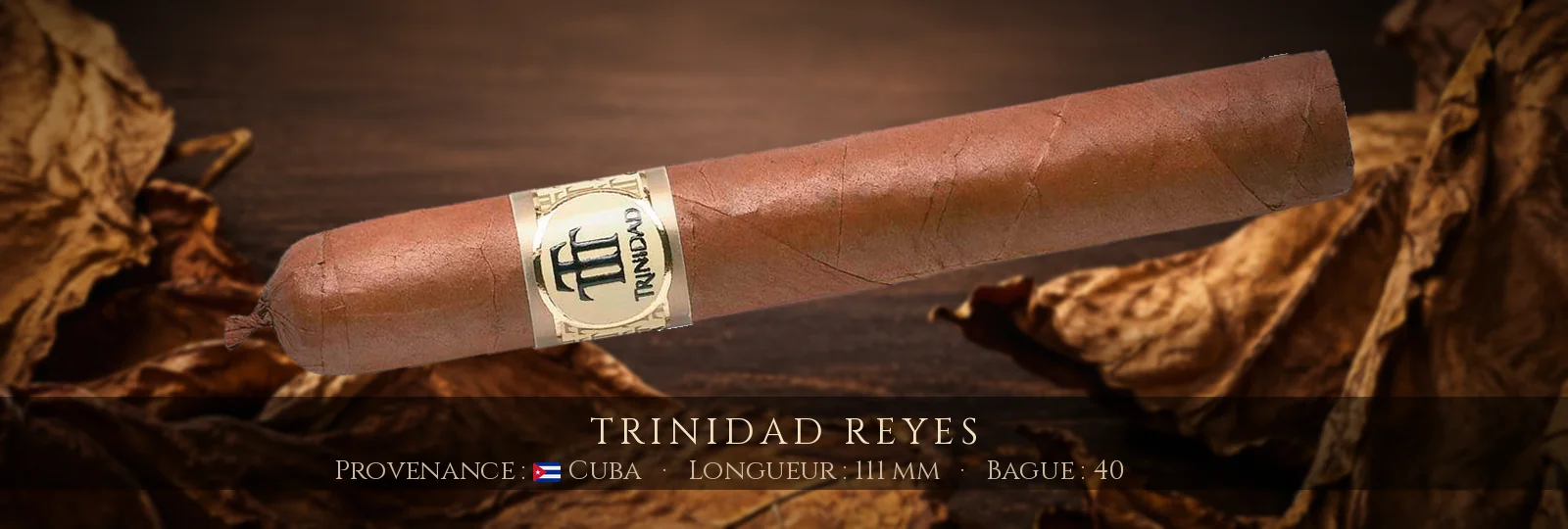
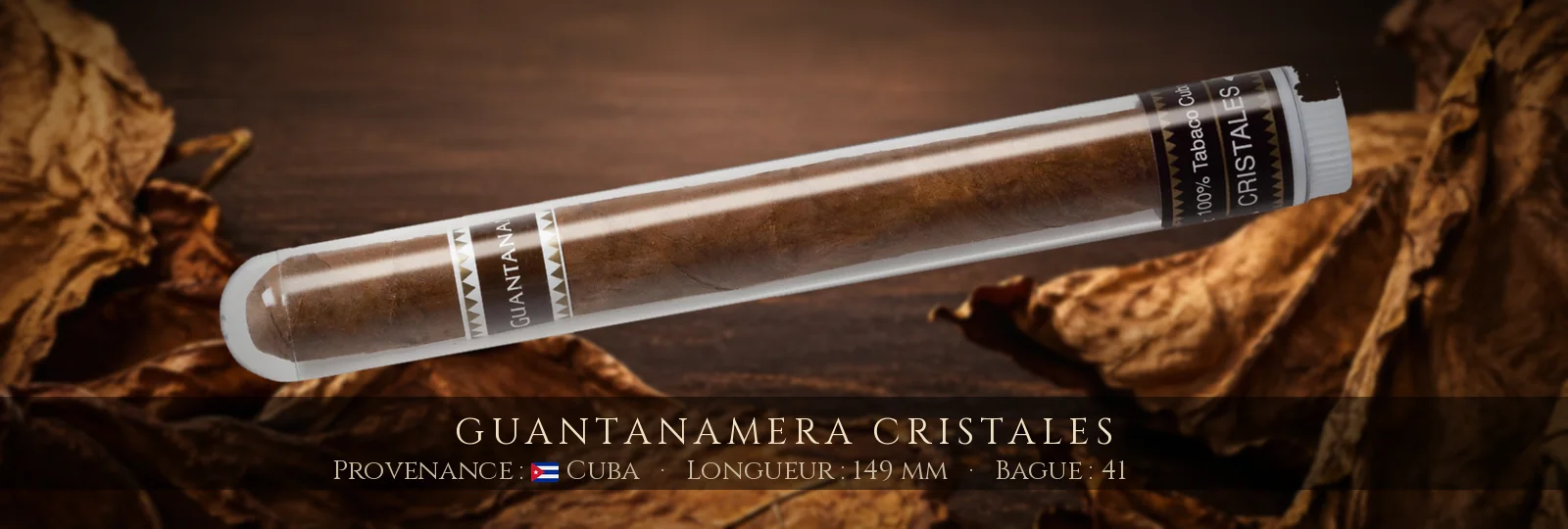
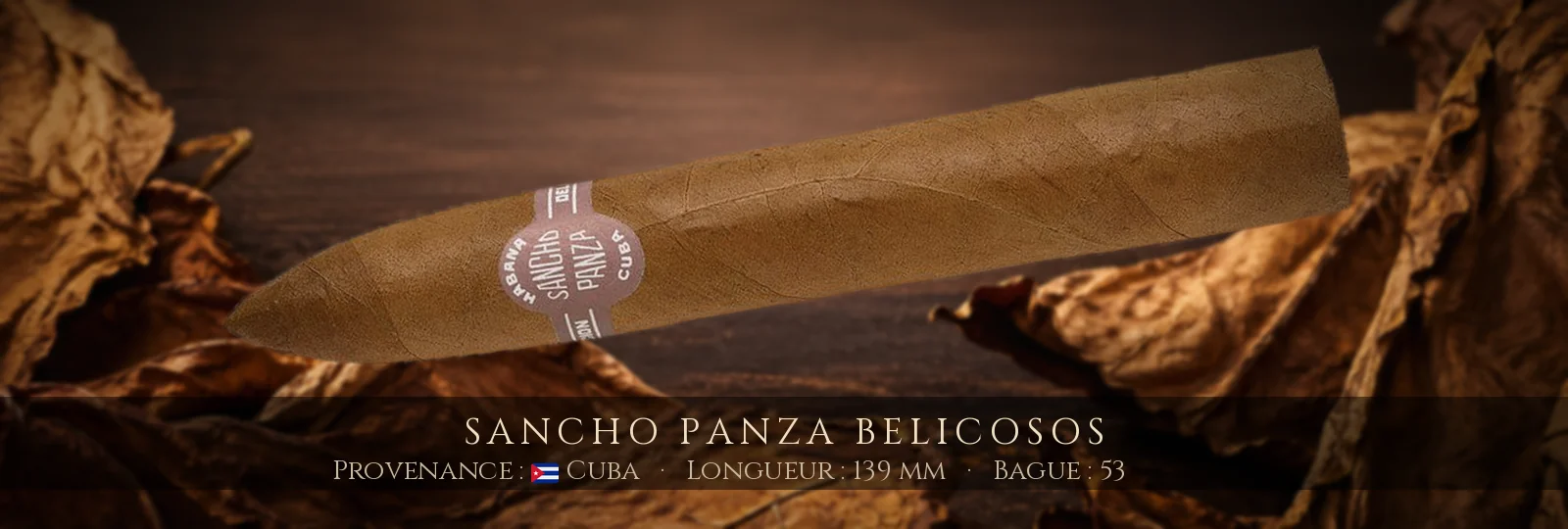
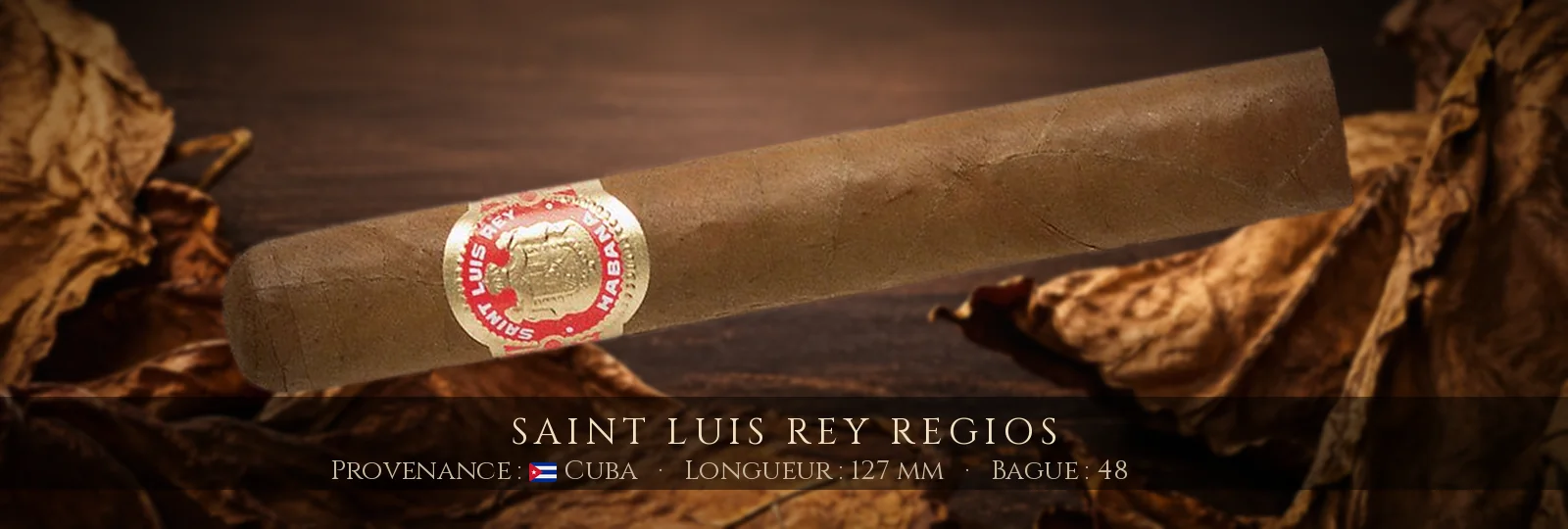
Saint Luis Rey
Saint Luis Rey Regios
Cuba · Hermosos No. 4
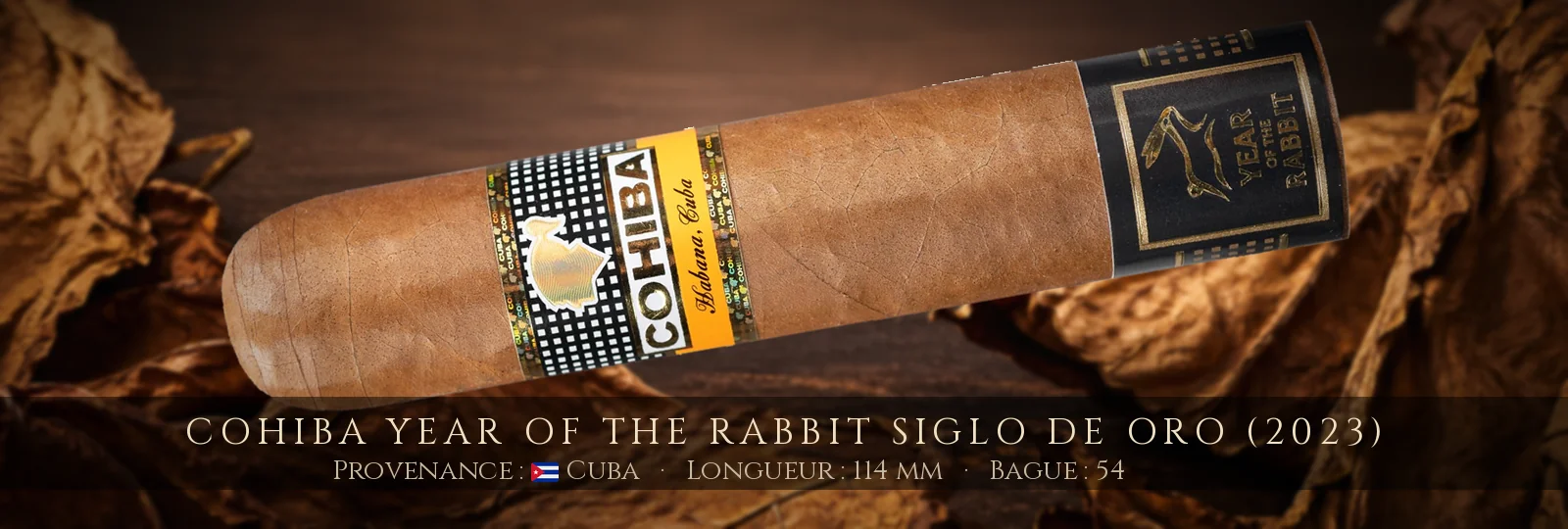
H. Upmann
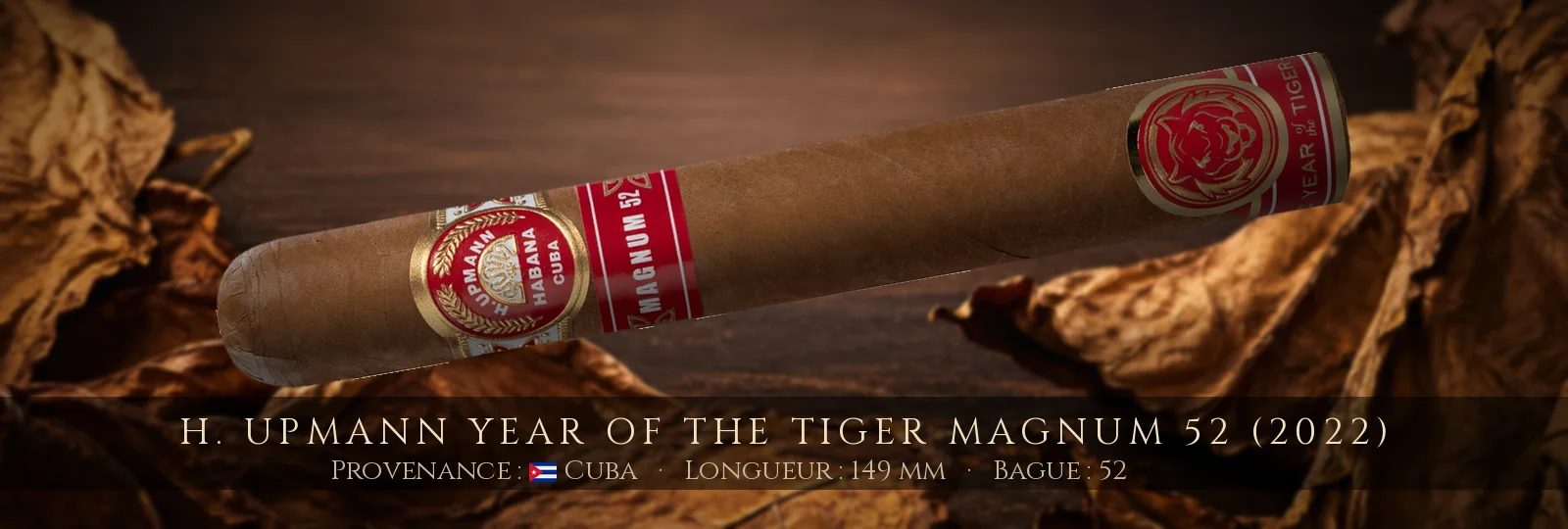
H. Upmann Year Of The Tiger Magnum 52 (2022)
Cuba · Toro
Hoyo de Monterrey
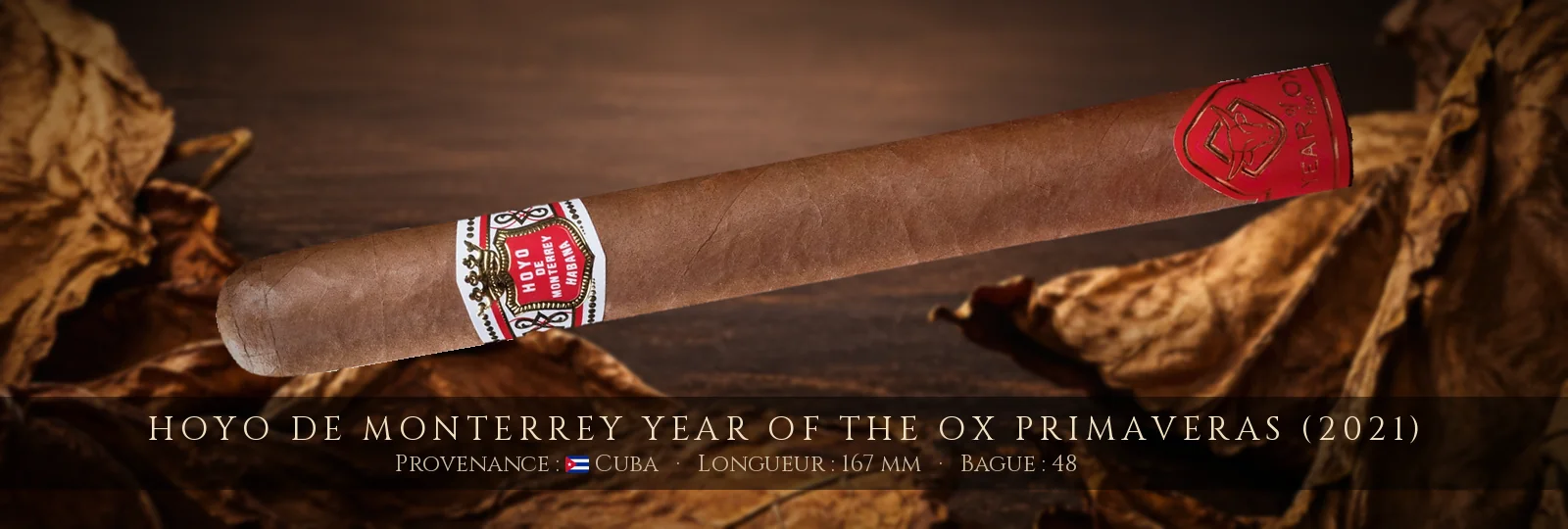
Hoyo de Monterrey Year Of The Ox Primaveras (2021)
Cuba · Hermosos No. 1
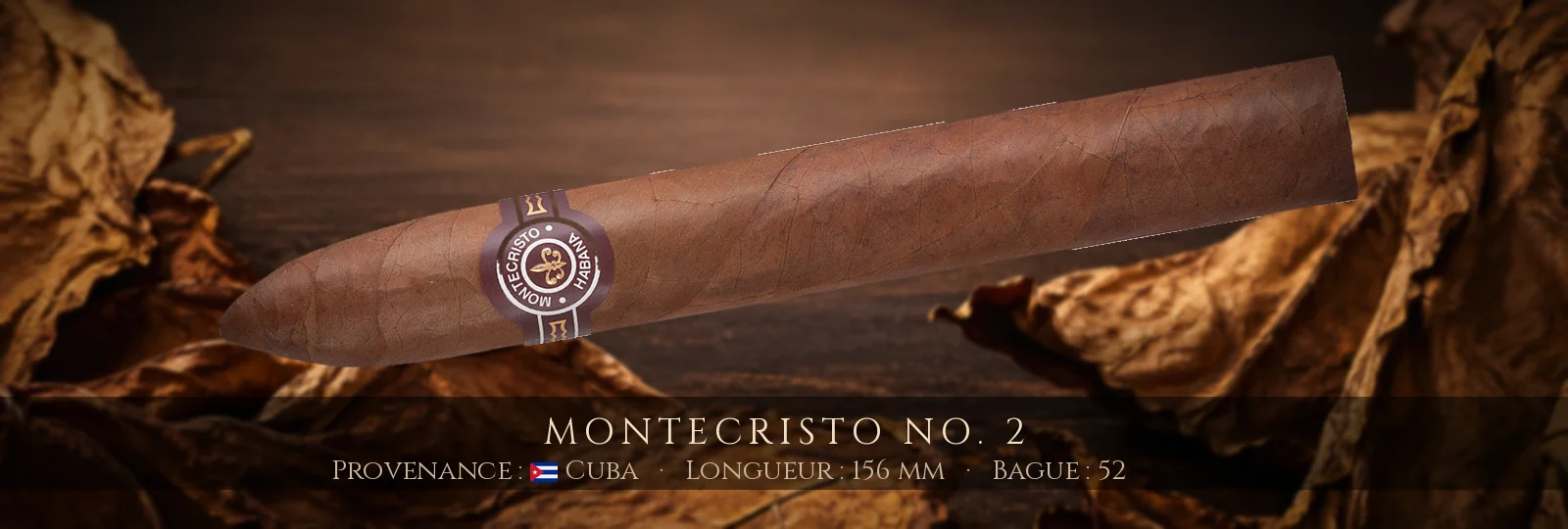
Montecristo
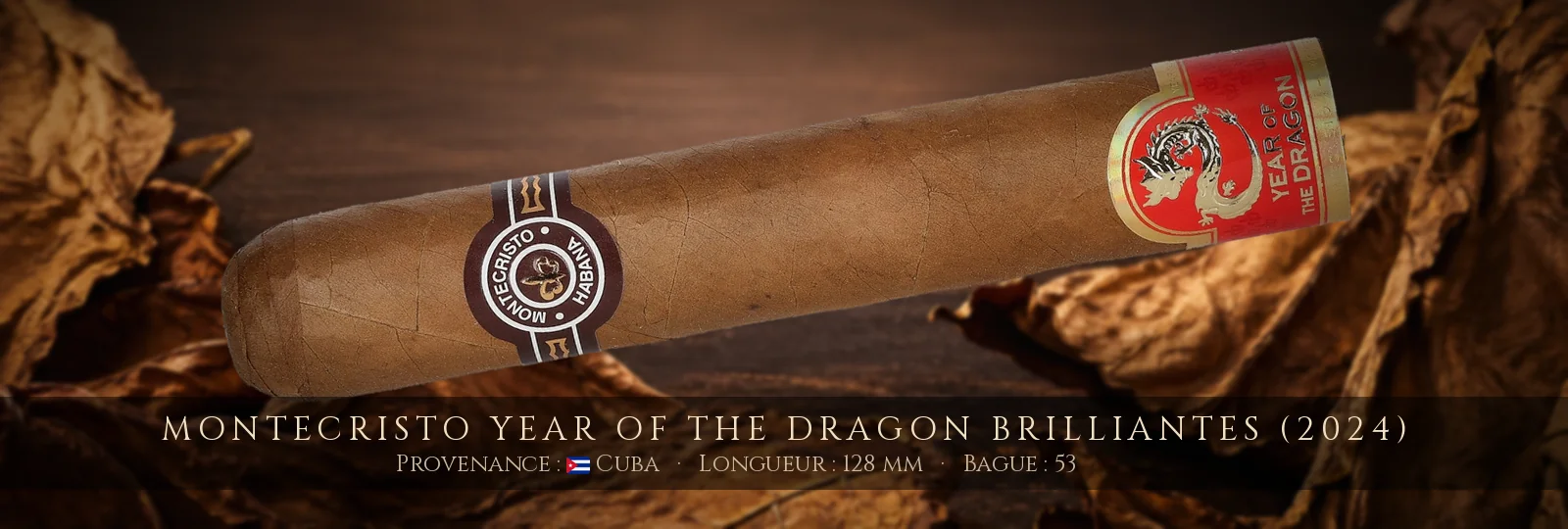
Montecristo Year Of The Dragon Brilliantes (2024)
Cuba
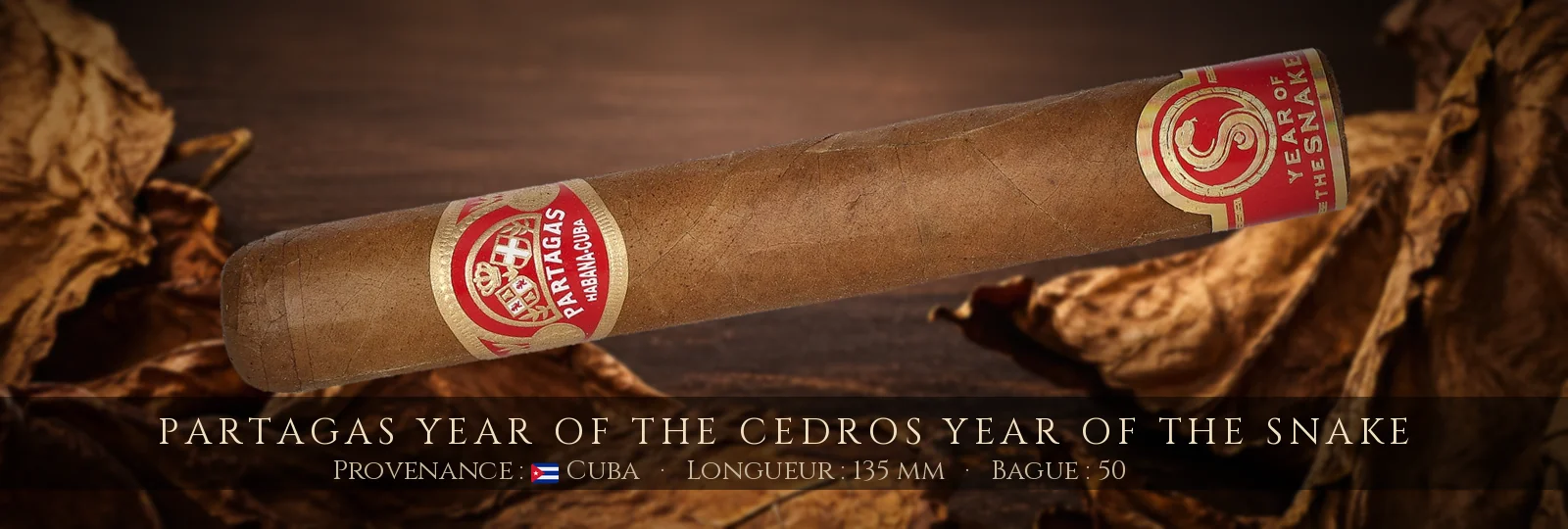
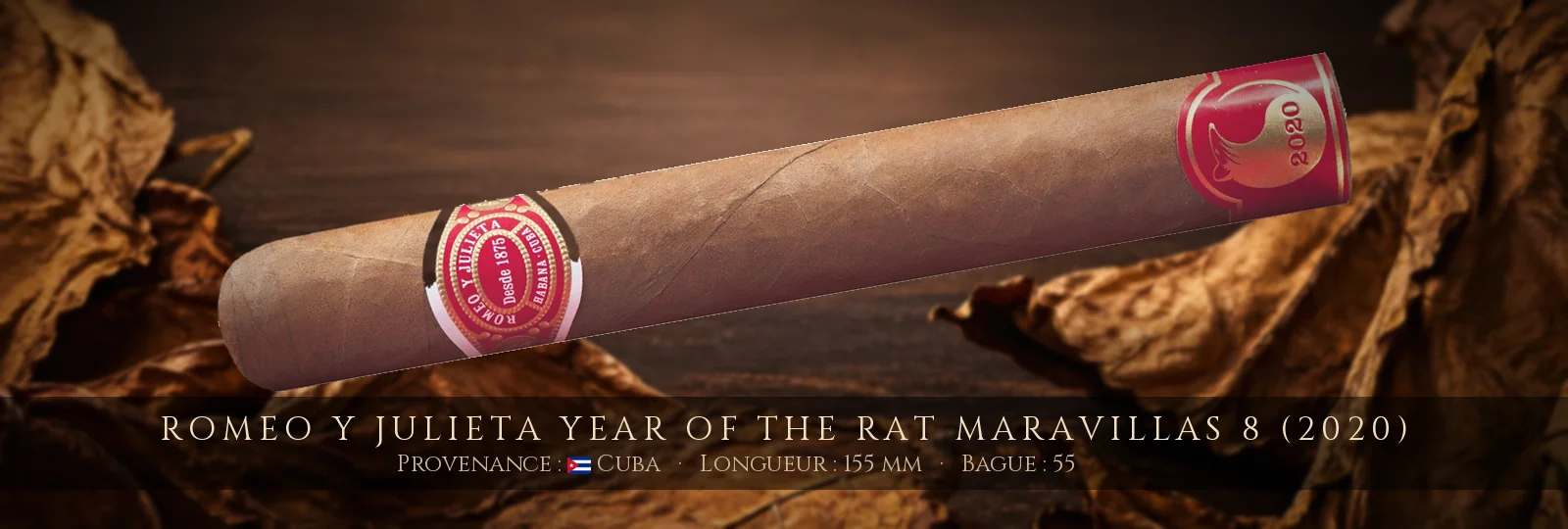
Romeo y Julieta
Romeo y Julieta Year Of The Rat Maravillas 8 (2020)
Cuba
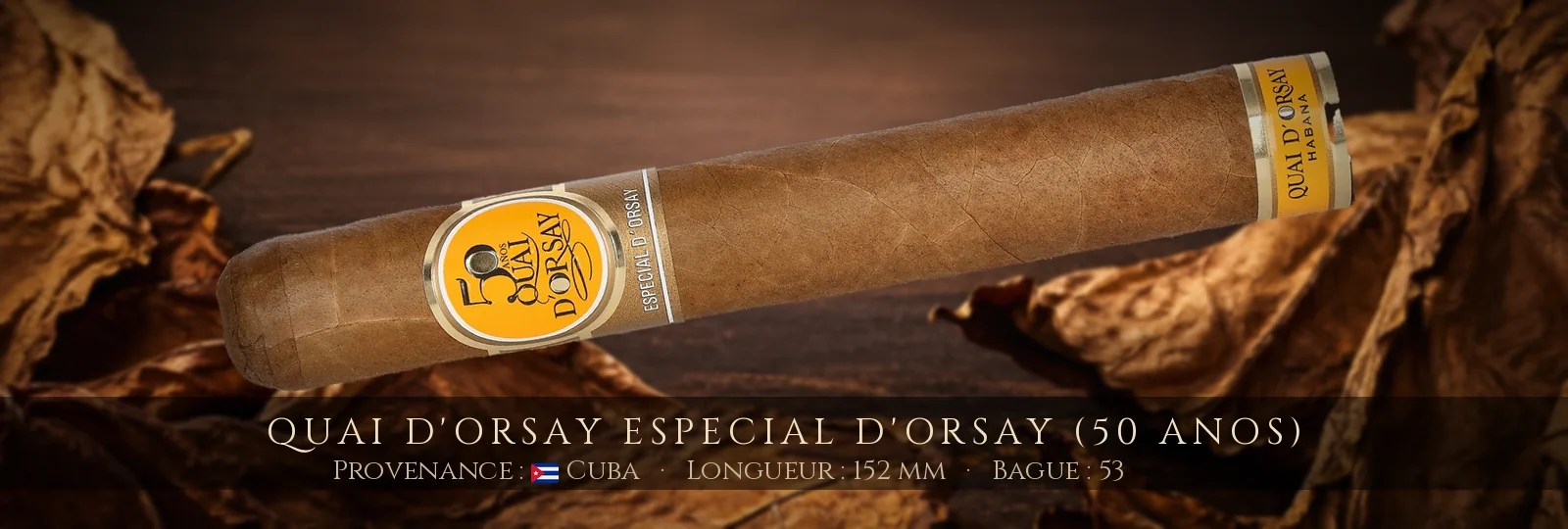
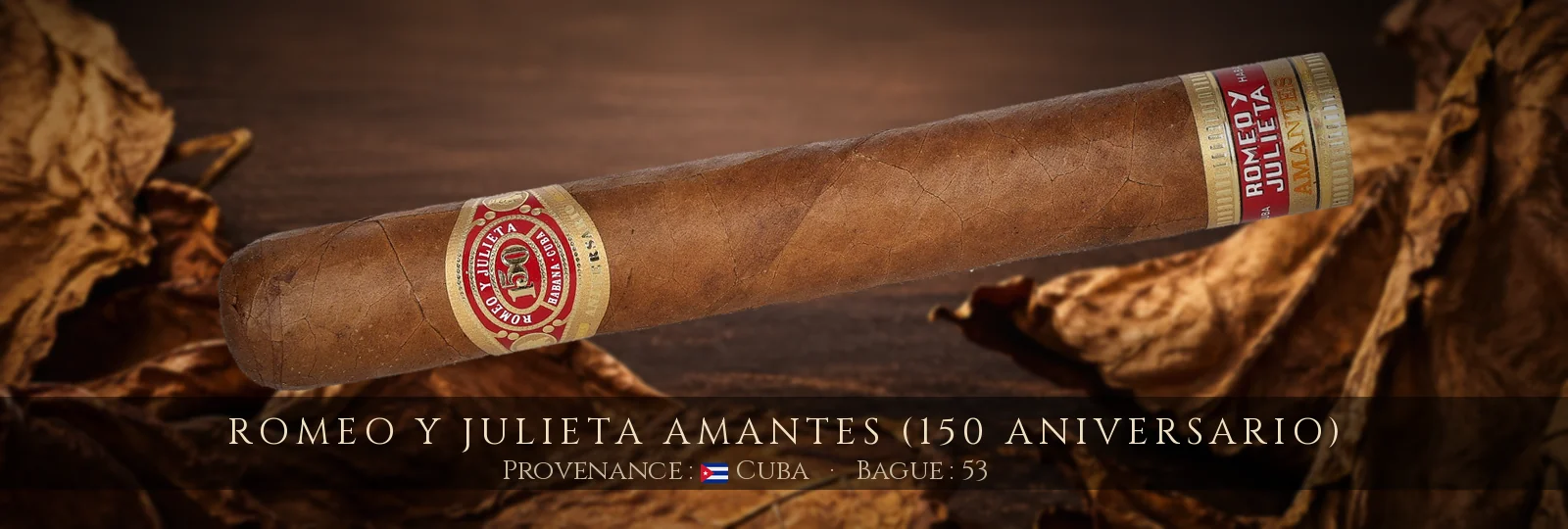
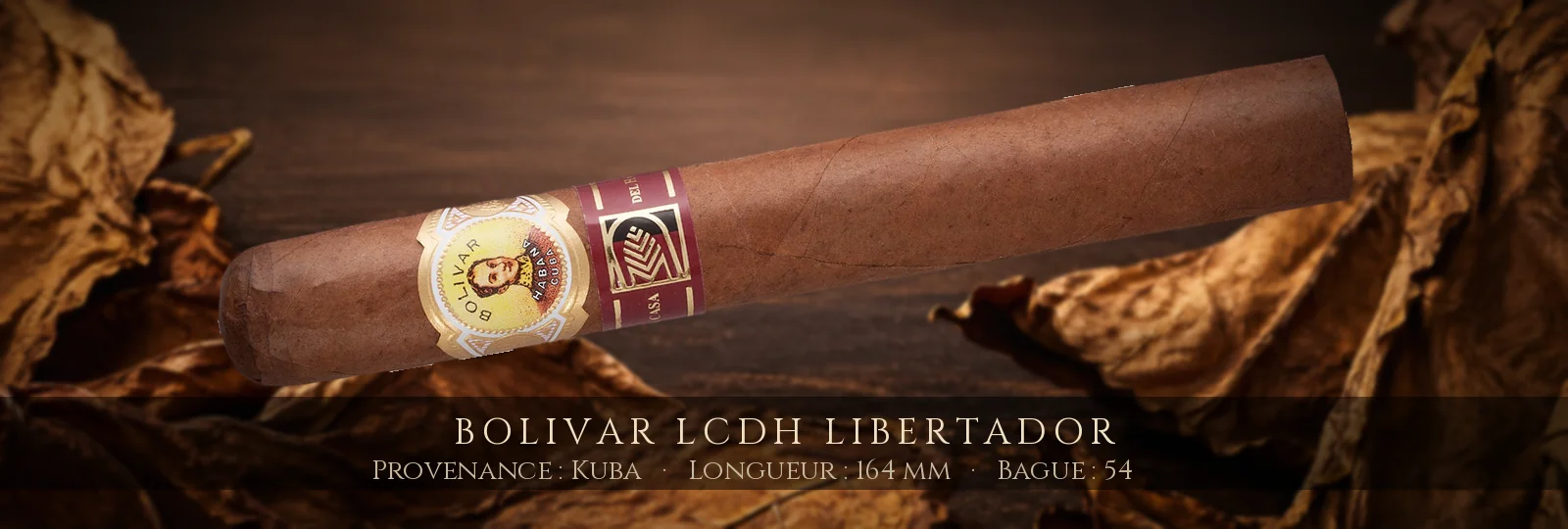
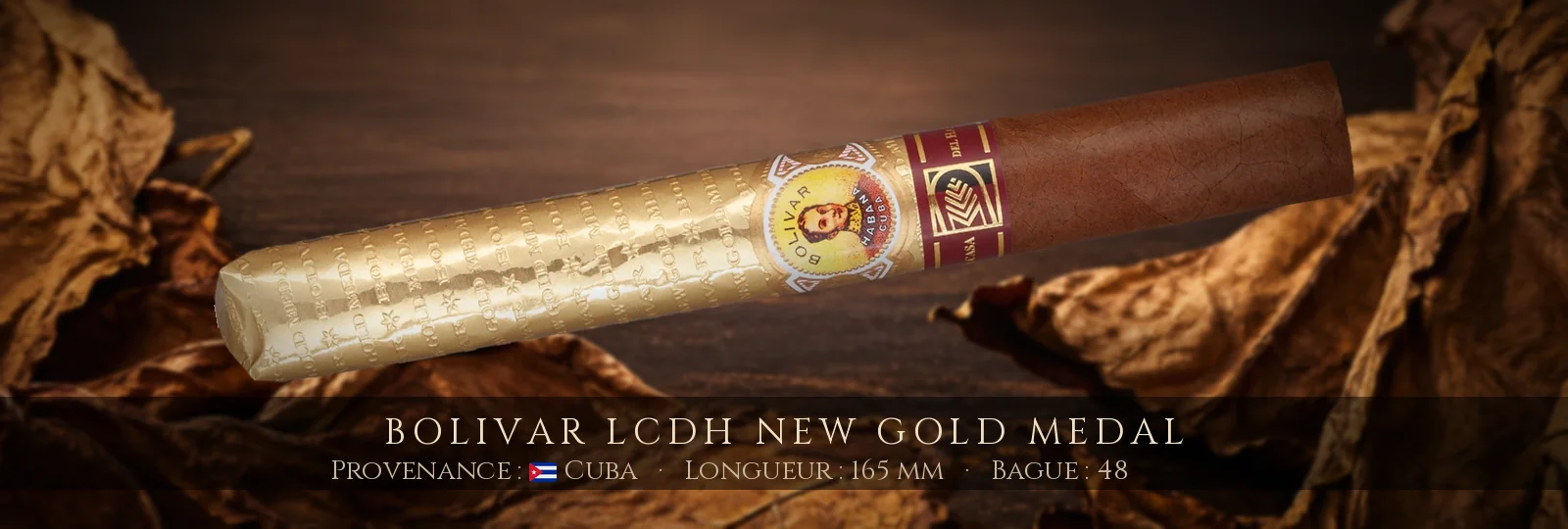
Bolivar
Bolivar LCDH New Gold Medal
Cuba · Hermosos No. 1
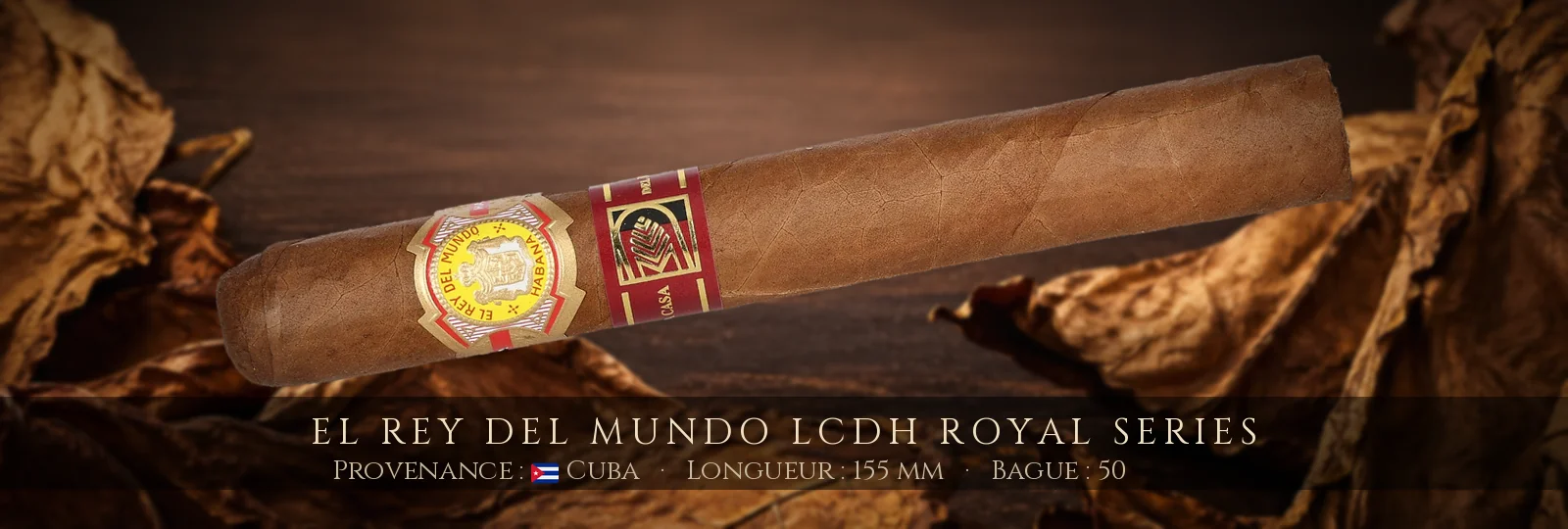
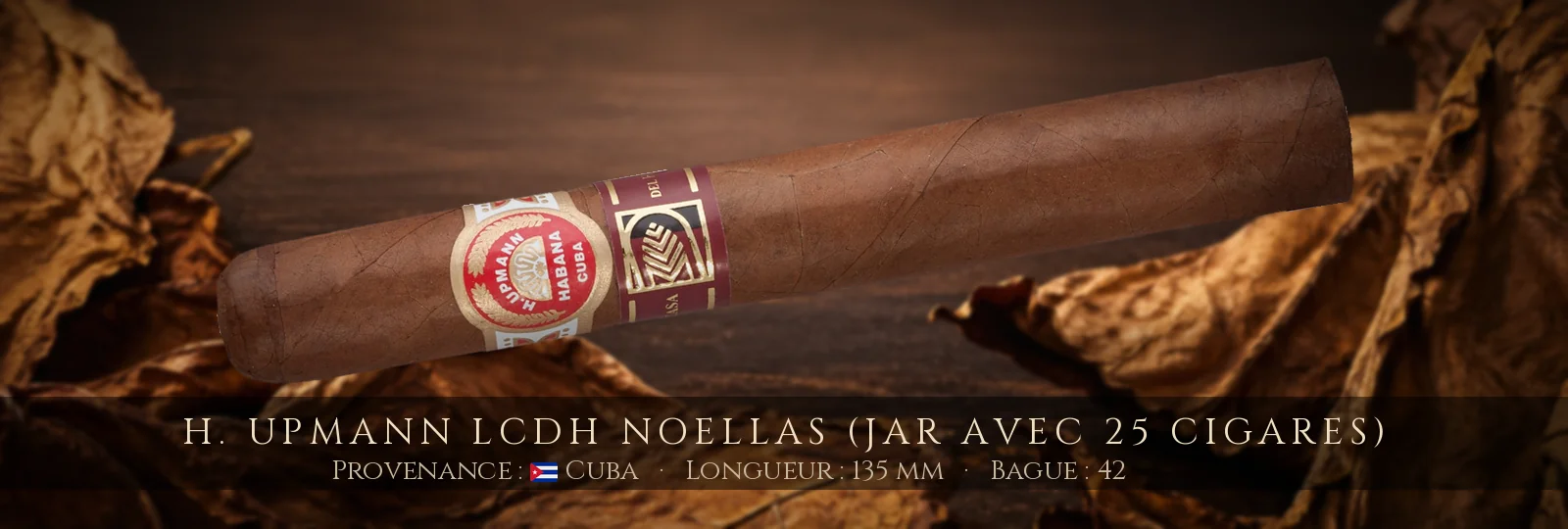
H. Upmann
H. Upmann LCDH Noellas (Jar avec 25 cigares)
Cuba · Cosacos
Hoyo de Monterrey
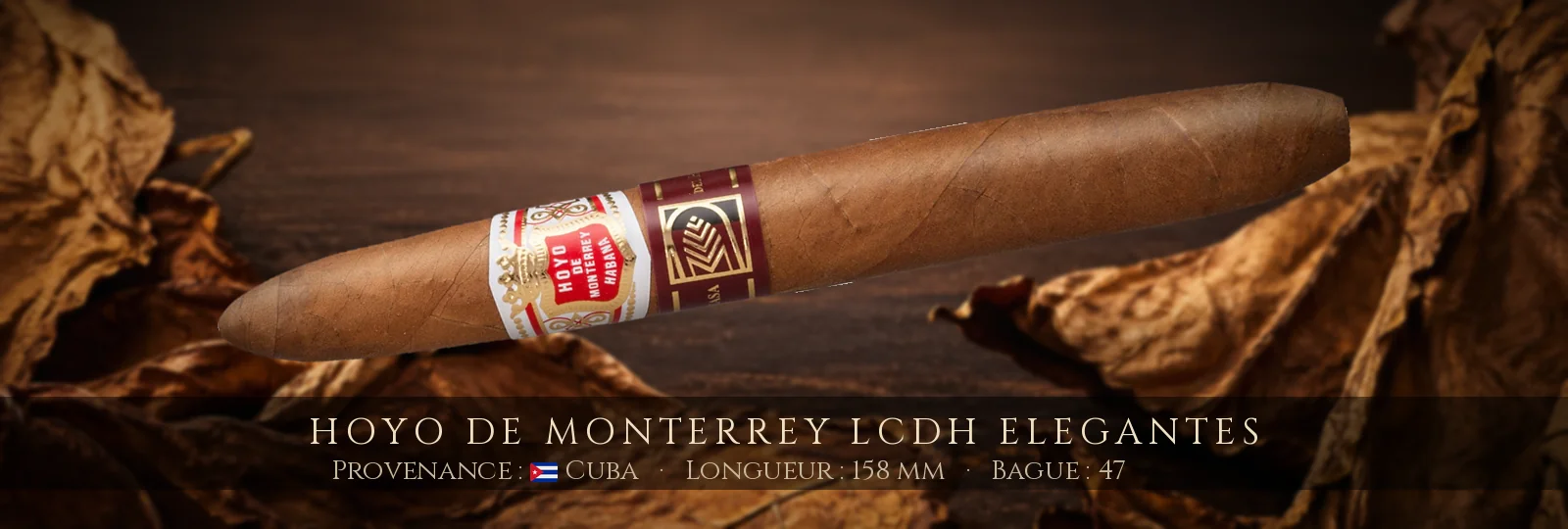
Hoyo de Monterrey LCDH Elegantes
Cuba · tacos
Por Larrañaga is an old brand still in production, created in 1834. It offers rich and complex cigars, with smooth wrappers and very aromatic profiles. Smoking a Por Larrañaga cigar allows you to experience a touch of sweetness with maximum flavor. Founded in 1837 by Ramon Allones, a Spanish immigrant.
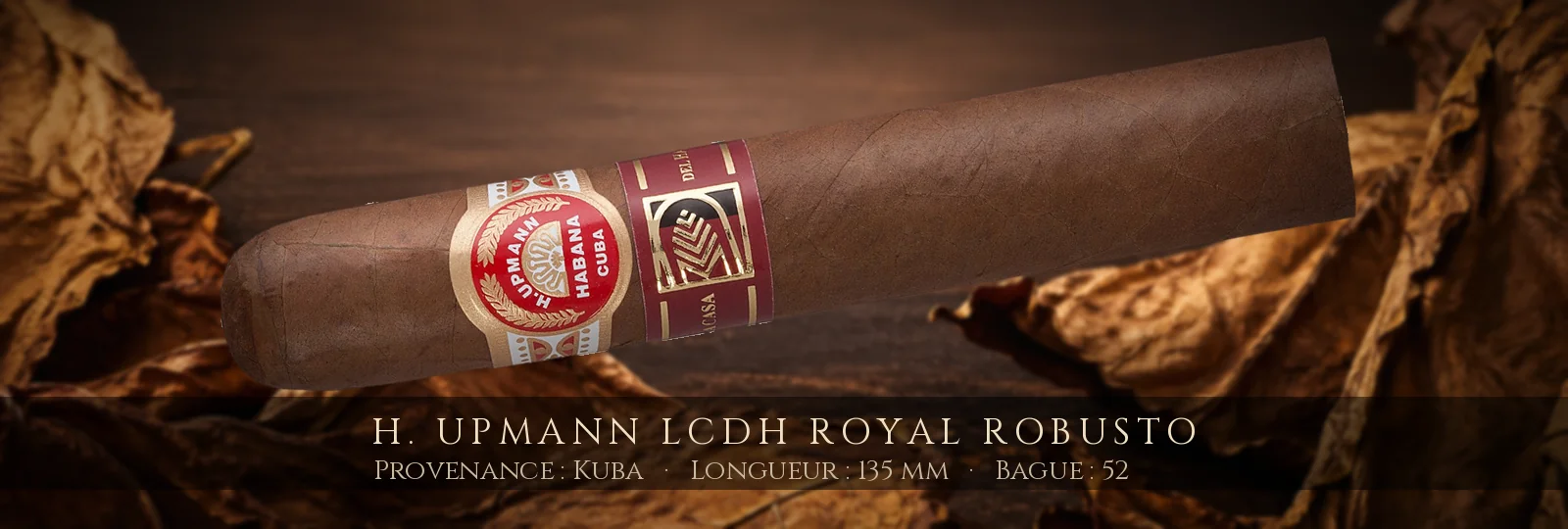
It was the first brand of Cuban cigars to use colorful labels on its boxes, quickly copied by others. Created for the British market in 1840, at a time when the magazine Punch was very popular. This brand of Cuban cigars was named in honor of Herman Upmann in 1844, a German banker who opened offices in Havana.
The first Cuban cigars to use aluminum tubes with a cedar interior in the 1930s. Initially, banker Herman would send boxes of cigars bearing the emblem of the bank as gifts to his European clients, friends, and family. The high-quality cigars quickly became popular, leading him to later invest in a cigar factory.
The brand of cigars founded in 1854 in the oldest cigar factory still in operation in Cuba was established by Don Jaime Partagas. A Cuban cigar brand created in 1848, named after the loyal servant of Don Quixote, whose portrait still adorns each box. A good range of cigars for beginners and as a daytime smoke for more experienced smokers.
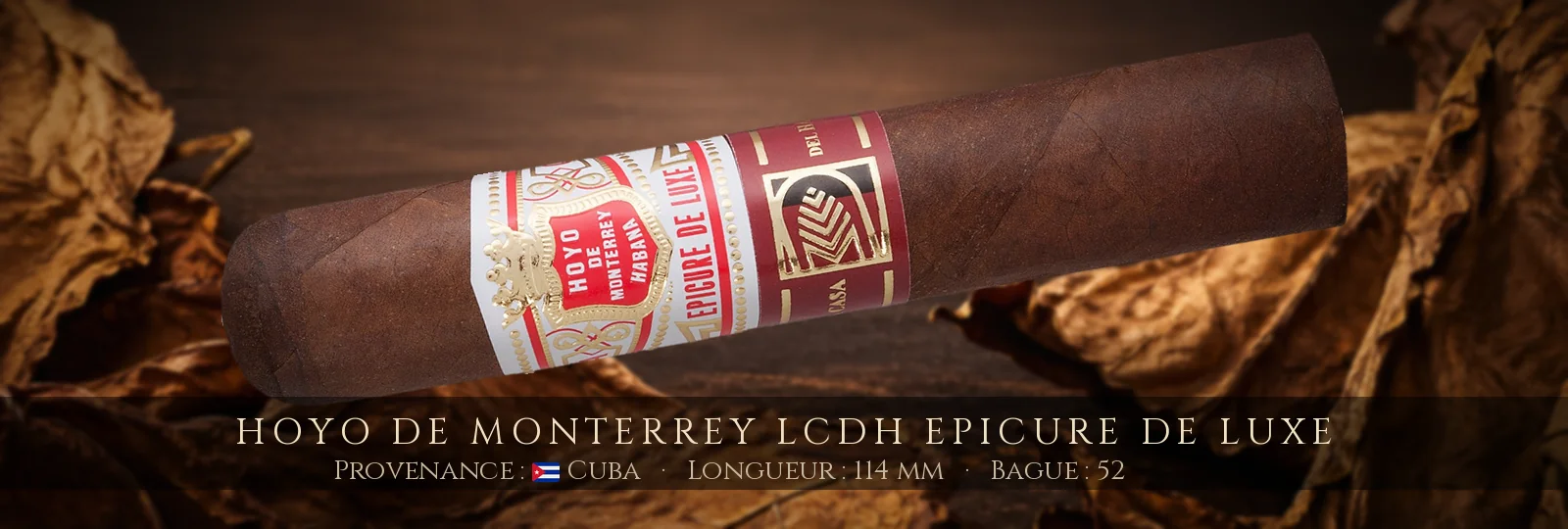
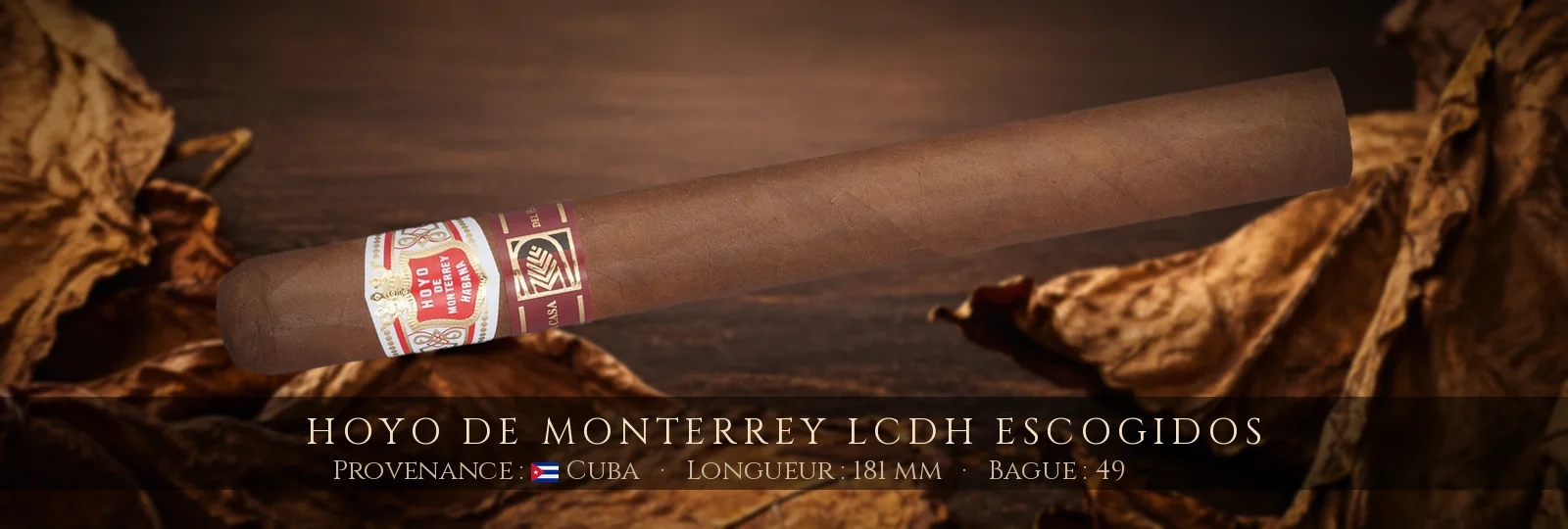
A Cuban cigar brand created in 1865 by Jose Gener, who began his career as a leaf grower in a village called San Juan Martinez in the Vuelta Abajo region of Cuba, before founding the Hoyo de Monterrey brand, offering mild and accessible cigars for beginners or occasional smokers. A Cuban cigar brand established in 1875, likely the most well-known brand from Havana.
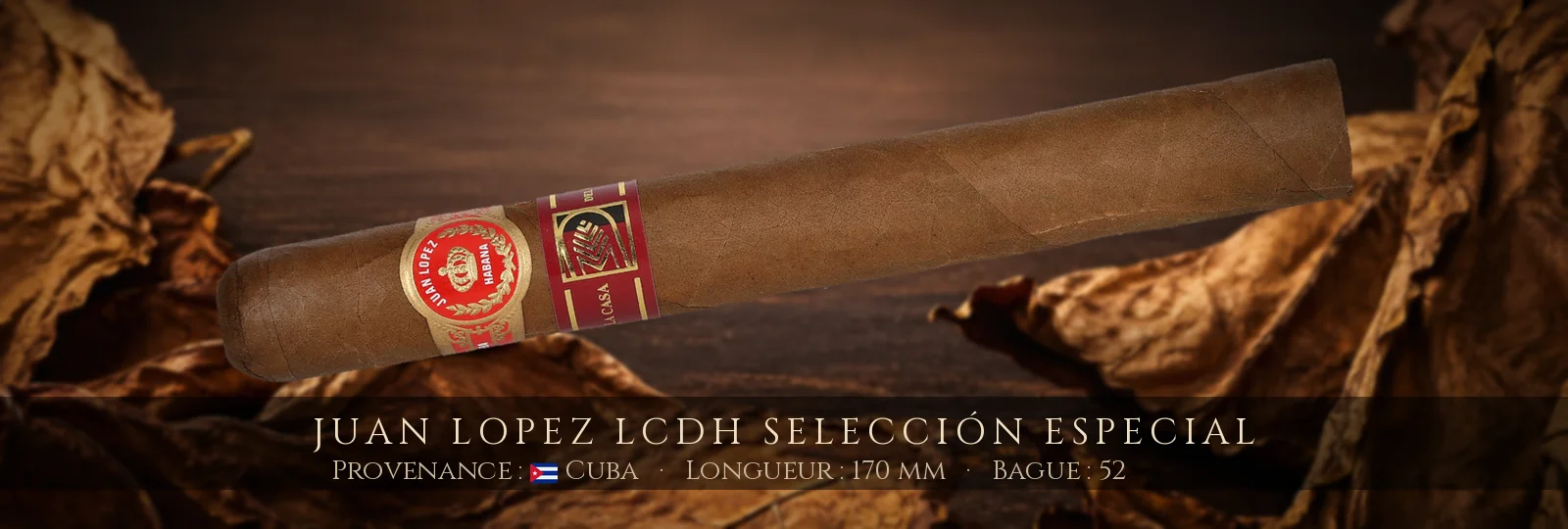
Founded by Alvarez Garcia, the brand gained prominence when it was acquired by Rodriguez Fernandez in 1903, who resolutely promoted it worldwide, making it one of the best Cuban cigar brands today. Created in 1876 by Juan López Diaz, this Cuban cigar brand is present in the UK with two vitolas (Seleccion No.1 / Seleccion No.2), both presented in SLB cabinets. The full name of the brand is "Flor de Juan Lopez".
A light and accessible range. A daytime cigar for experienced smokers and highly appreciated by beginners. Established in 1882 and modestly named "The King of the World," this brand was founded by the Antonio Allones Company.
Subtle and fine aromas. A Cuban cigar brand created in 1890. Cigars rolled with tobaccos grown in Remidios, in the Vuelta Arriba region, it was a popular brand in Cuba.
Available in Europe in three vitolas of short filler. Founded by the Rocha company in 1901, the Cuban cigar brand Bolivar is named after the Venezuelan revolutionary Simon Bolivar. These cigars are well-constructed, wonderfully rich, full-bodied, with a great quality of aromas and flavors, and should be avoided by beginners.
Created by the H.Upmann family, the Cuban cigar brand established in 1935 has become the most popular brand of handmade cigars in the world, with the famous Montecristo No.4 being one of the best-selling cigars globally. The success of the brands largely depends on their unique flavor and aromas. Augustin Quintero and his four brothers worked in a cigar factory in the Remidios region in the mid-1920s.
By 1940, their reputation allowed them to create a brand in Havana bearing their family name, using only tobaccos from the Vuelta Abajo. (Short filler). Established in 1982, the flagship brand is the pride of Habanos SA. This name comes from the ancient Taino Indians of Cuba, meaning tobacco; created for Fidel Castro himself in 1966, but initially reserved only for government personalities until its public launch in 1982; the Cuban Cohiba cigars are made from the finest tobaccos; the leaves undergo 3 fermentations.
Launched in mid-1993 to celebrate the 500th anniversary of the discovery of Cuba and tobacco by Christopher Columbus. Six cigars in the range are called siglo I to VI. Siglo means "Century" in Spanish; each cigar represents a century since Columbus's discovery.
A Cuban cigar brand created in 1996. Its name comes from the Taino Indians, who were the original inhabitants of Cuba. They called the cigars Cohibas, which they lit with a particular type of wood that burns well and still grows on the island.
The Tainos referred to this wood as Cuaba. It is still used in rural areas to start fires. The four modules of Cuaba cigars are figurados, bulging in the middle and tapered at the ends.
The only brand from Havana entirely composed of figurados. "Figurado" refers to cigars with pointed ends;
Founded in 1997, this brand takes its name from the largest family of tobacco growers in Cuba and uses wrapper tobaccos produced exclusively in the Robaina plantations in the Vuelta Abajo. Don Alejandro Robaina has operated the plantations since 1950.
The tobaccos that make up the filler come from the San Luis region in the famous Vuelta Abajo. On April 11, 1717, King Philip V established a royal monopoly on tobacco cultivation in Cuba. The monopoly remained in effect until June 23, 1817, when a royal decree abolished it.
Immigrants from the Canary Islands worked in the tobacco fields. By 1859, there were nearly 10,000 tobacco plantations and about 1,300 cigar factories in the capital. The Cuban archipelago is very close to the Tropic of Cancer.
The Western Region, where the best tobacco in the world is grown, has a relative humidity of 79 percent, an average annual temperature of 25°C, and rainfall particularly favorable for tobacco cultivation. In addition to these specific climatic characteristics, the chemical composition and agricultural properties of the soil in Cuba's tobacco-growing areas are ideal. The experience and care that Cuban tobacco workers put into each of the many steps involved in making cigars are also essential to maintaining the unparalleled quality of Cuban cigars.
Cigars are made in many parts of the world, but the most sought-after are Cuban cigars. Cuban cigars, which have long been part of luxury products, are increasing their sales even as the global economy struggles. However, some countries, conversely, are experiencing a prosperous economy, such as China, which is now interested in luxury products, including Cuban cigars.
Cuba supplies 80% of the high-end cigar market worldwide, except for the United States, which prohibits Cuban imports under a trade embargo originally created to overthrow the communist regime. Cuban cigars are world-renowned. They are known to be the best cigars on the market.
Currently, the Cuban cigar industry is under direct government regulation. These cigars stand out because they are made from high-quality tobacco and with great care and attention. In fact, it is estimated that it takes more than a hundred steps to properly make a Cuban cigar.
Another thing that distinguishes Cuban cigars from other cigars in the world is the fact that they are made using only Cuban tobacco. Many smokers do not realize that most other cigars are made from a blend of different types of tobacco. An experienced and passionate smoker understands that the strongest and most authentic smoke always comes from a Cuban cigar and only from a Cuban cigar.
These cigars have a full-bodied aroma and taste, which inexperienced smokers do not always appreciate. Cuban cigars are not necessarily purchased in Cuba; they are also sold in Mexico, Canada, and other countries. It is also possible to buy them online.
Authentic Cuban cigars have a characteristic smell that can only come from high-quality tobacco that has been properly harvested, dried, cut, and packaged.