
H. Upmann cigars from Cuba
H. Upmann Cigars · Cuba24 cigars
The brand name of the cigars H. Upmann comes from a German banker, Hermann Upmann, who went to make his fortune in the New World with his brother. Another version of the story suggests that the H in H Upmann stands for hermanos, referring to the Upmann brothers.
Since 1830, H. Upmann has been producing premium Cuban cigars of the highest quality, characterized by a clean taste and pronounced aromas that delight many cigar enthusiasts.
H. Upmann
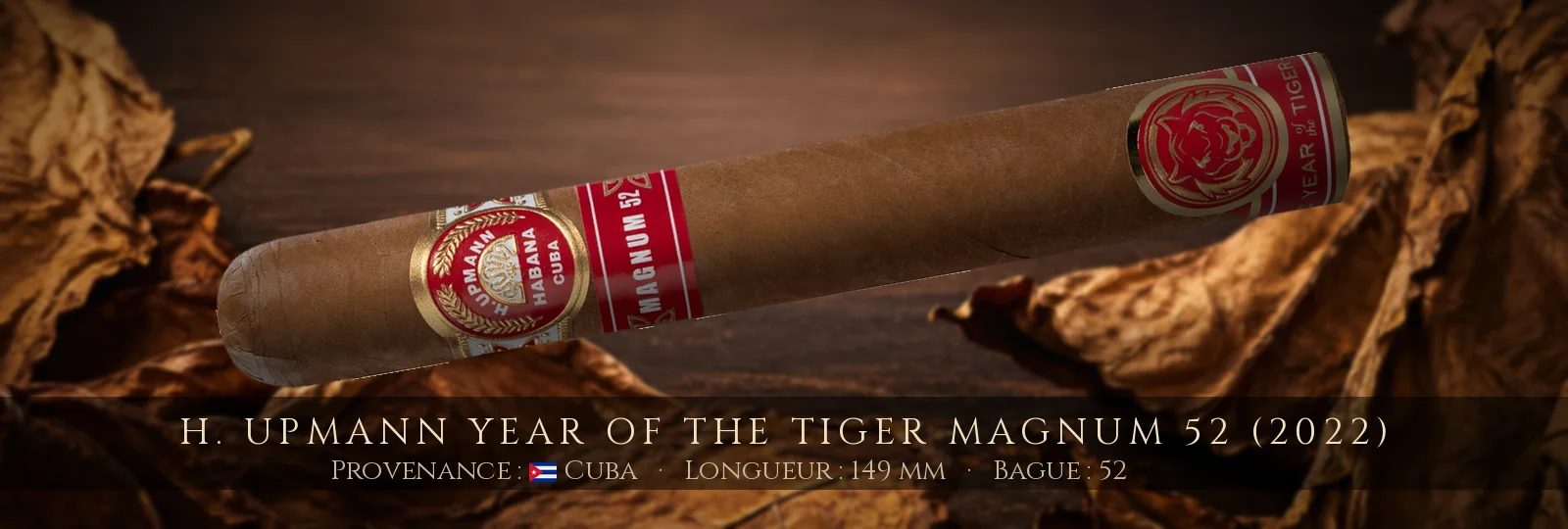
H. Upmann Year Of The Tiger Magnum 52 (2022)
Cuba · Toro
H. Upmann
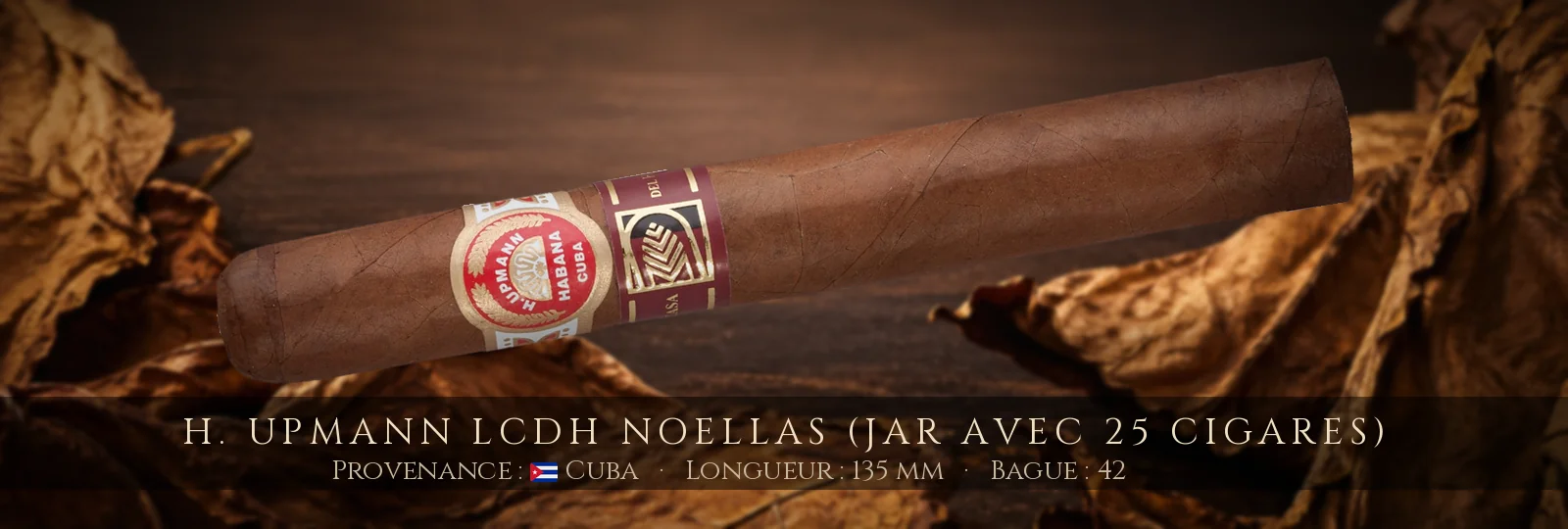
H. Upmann LCDH Noellas (Jar avec 25 cigares)
Cuba · Cosacos
H. Upmann
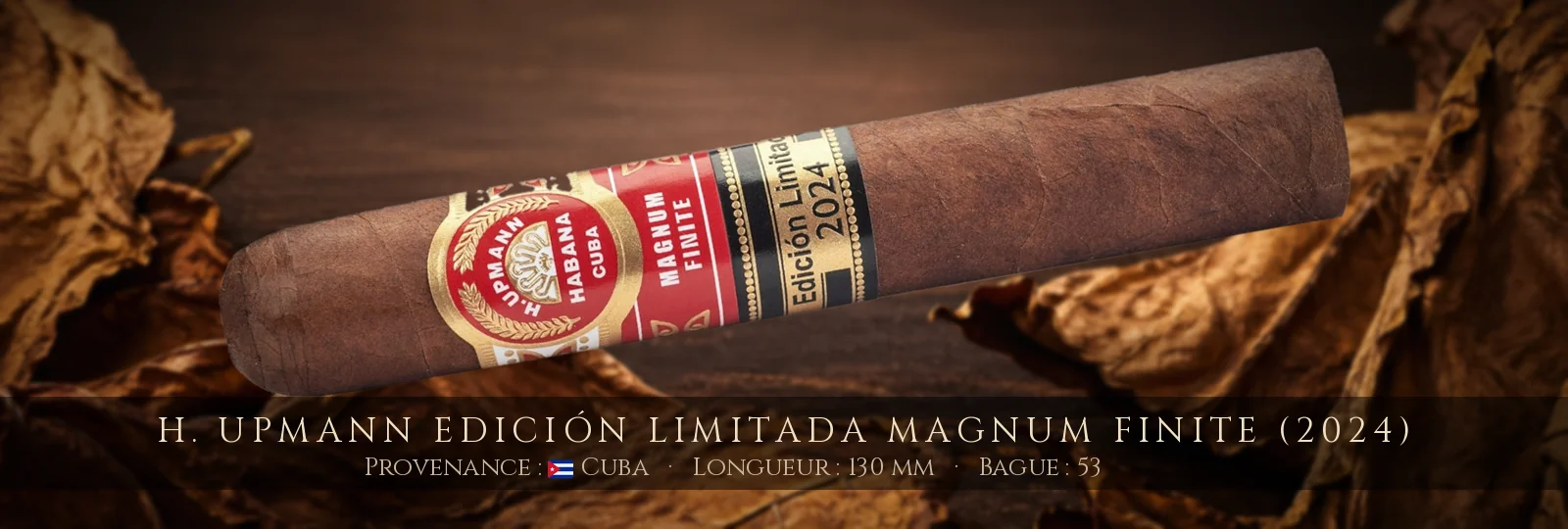
H. Upmann Edición Limitada Magnum Finite (2024)
Cuba · Discretos
H. Upmann
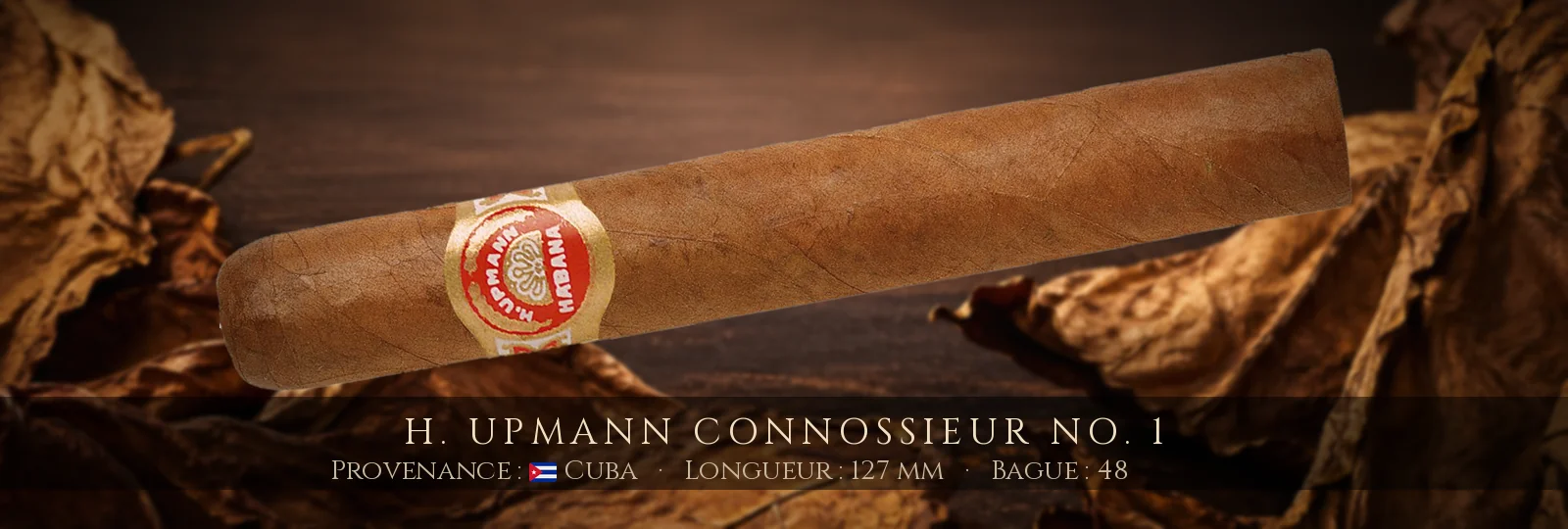
H. Upmann Connossieur No. 1
Cuba · Hermosos No. 4
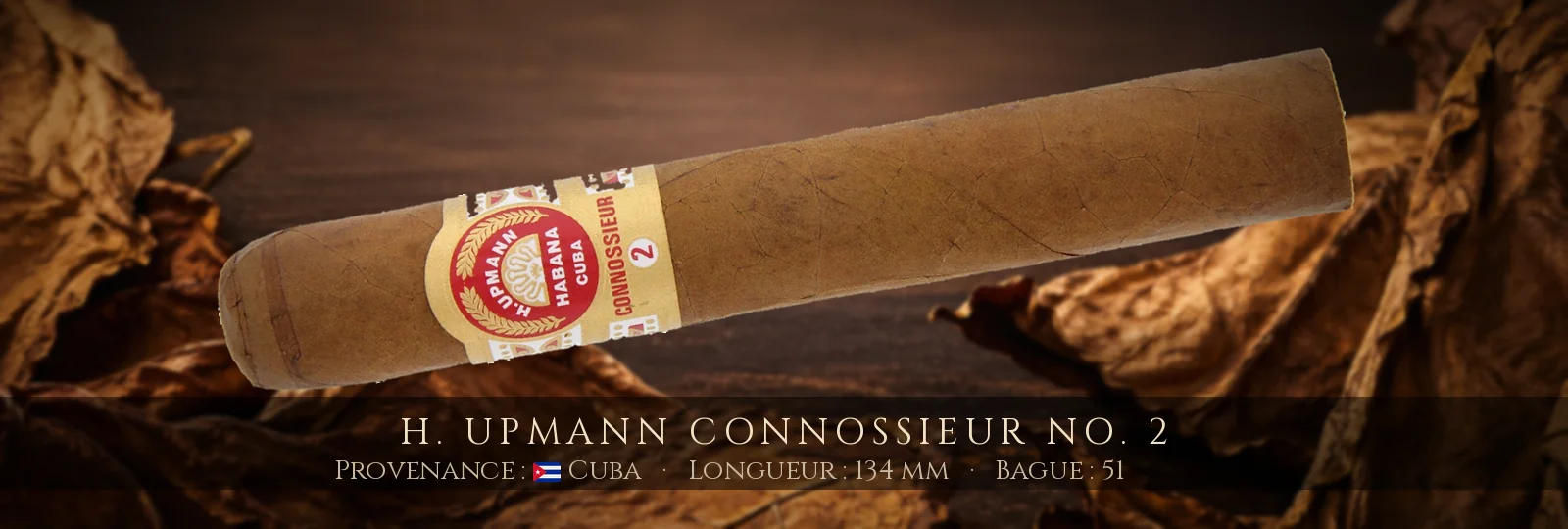
H. Upmann
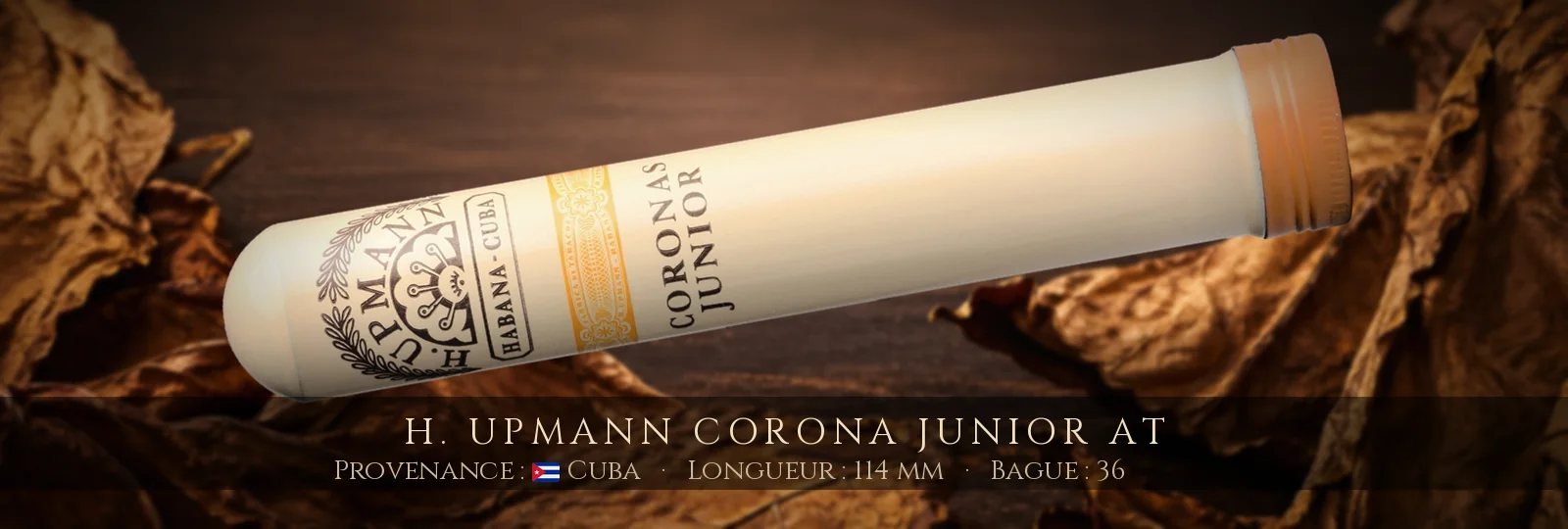
H. Upmann Corona Junior AT
Cuba · Campanas
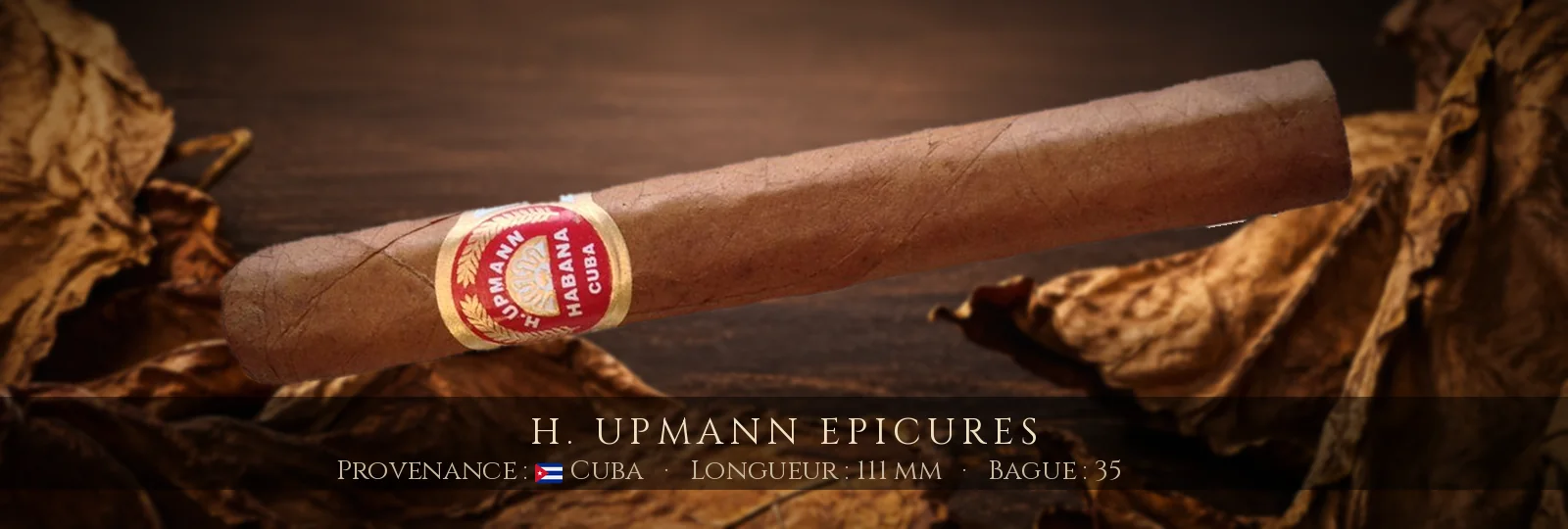
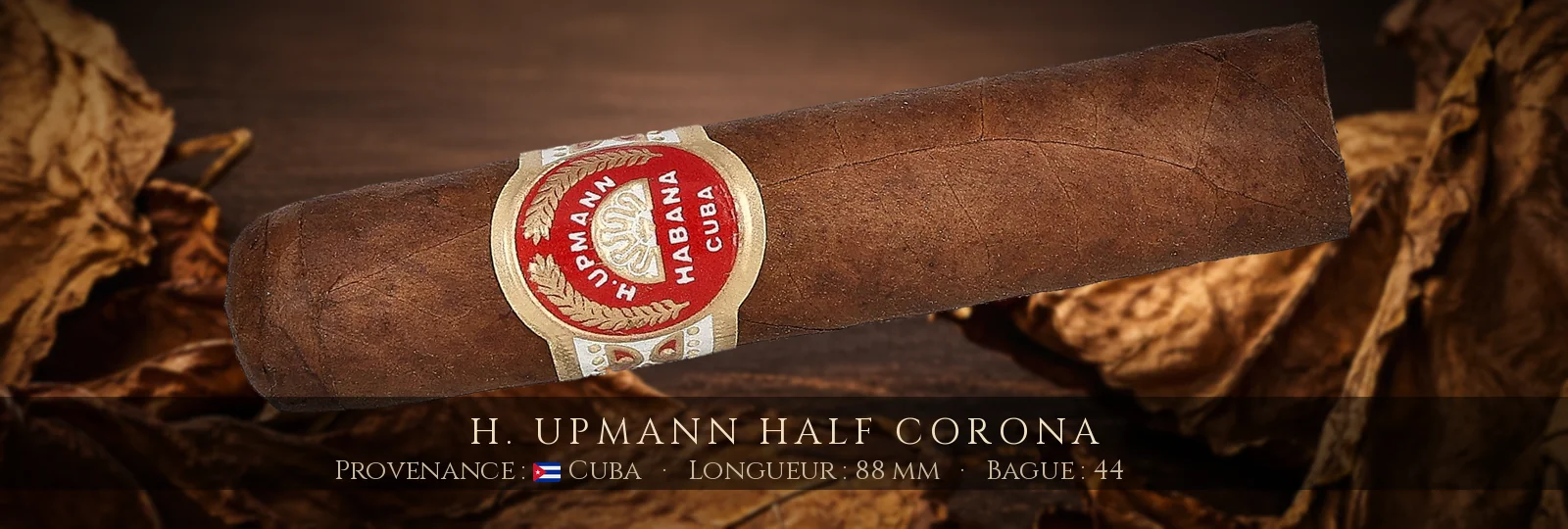
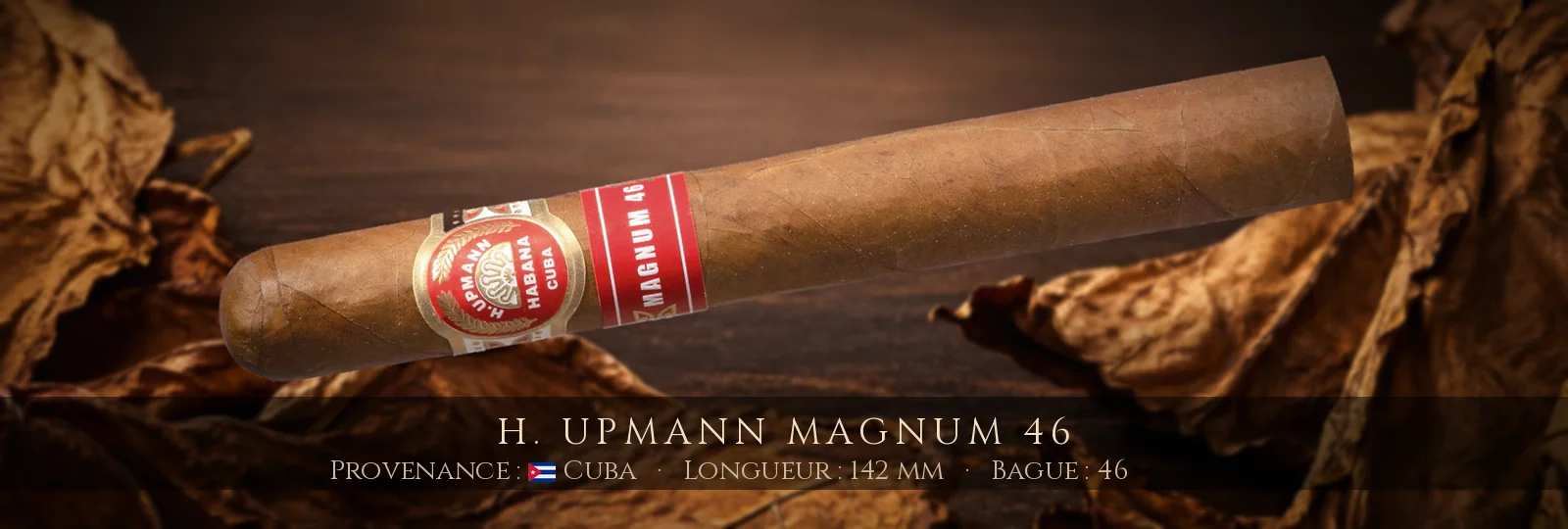

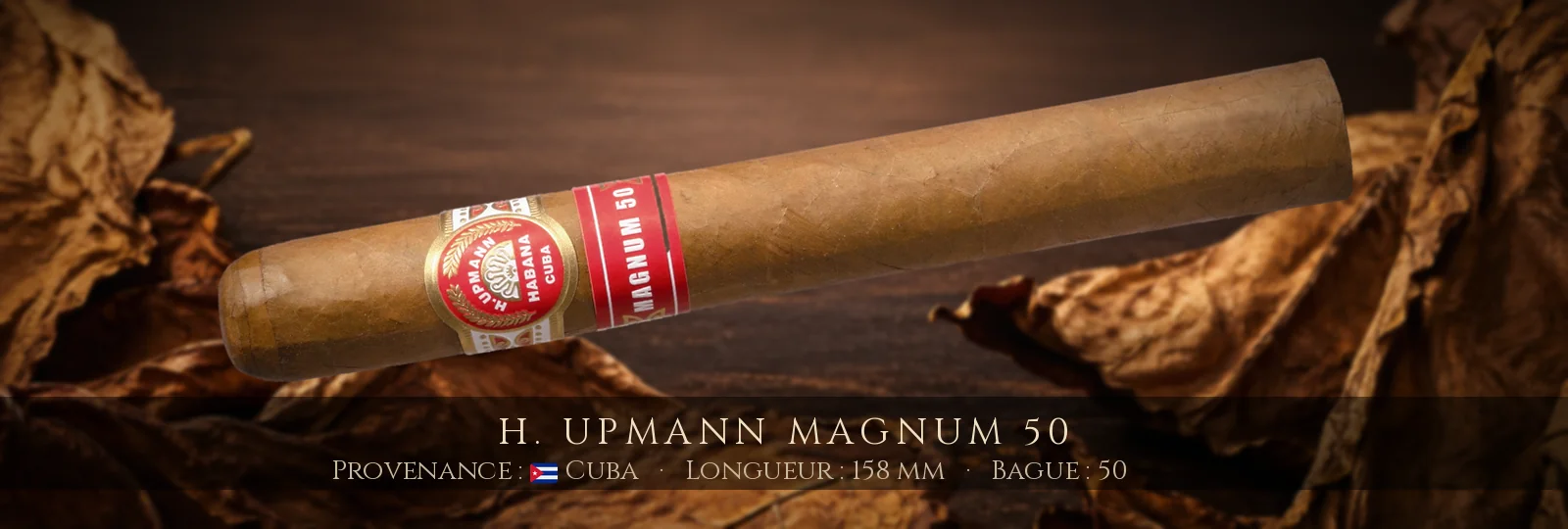
H. Upmann
H. Upmann Magnum 50
Cuba · Double Robusto
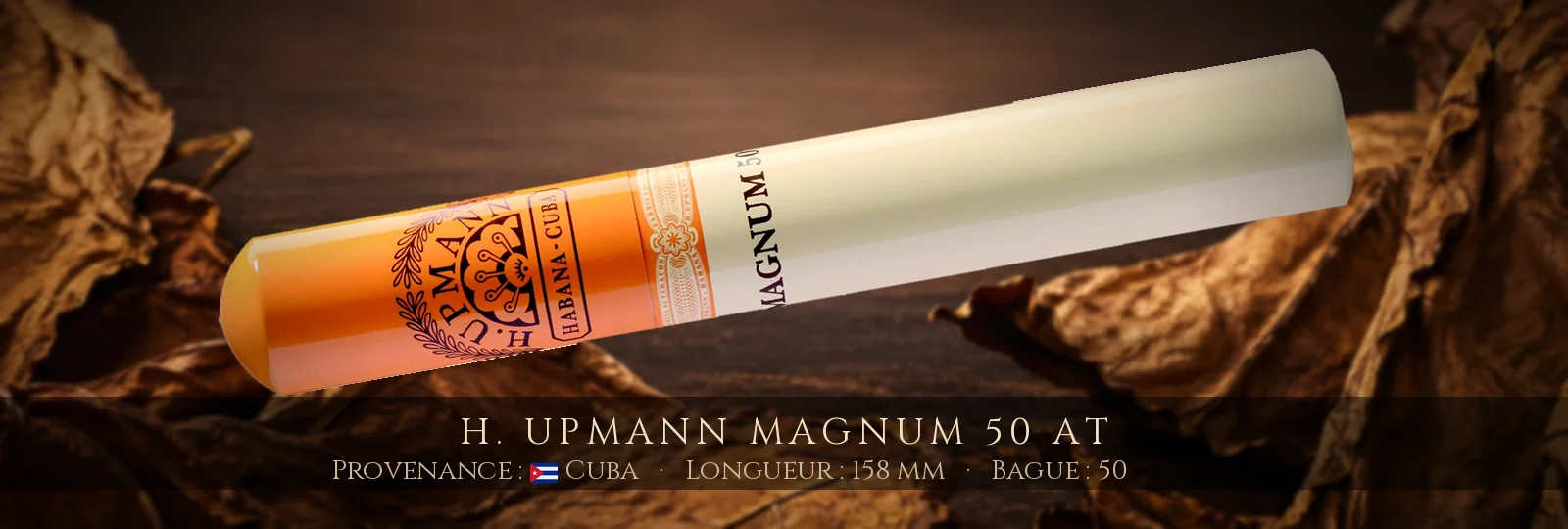
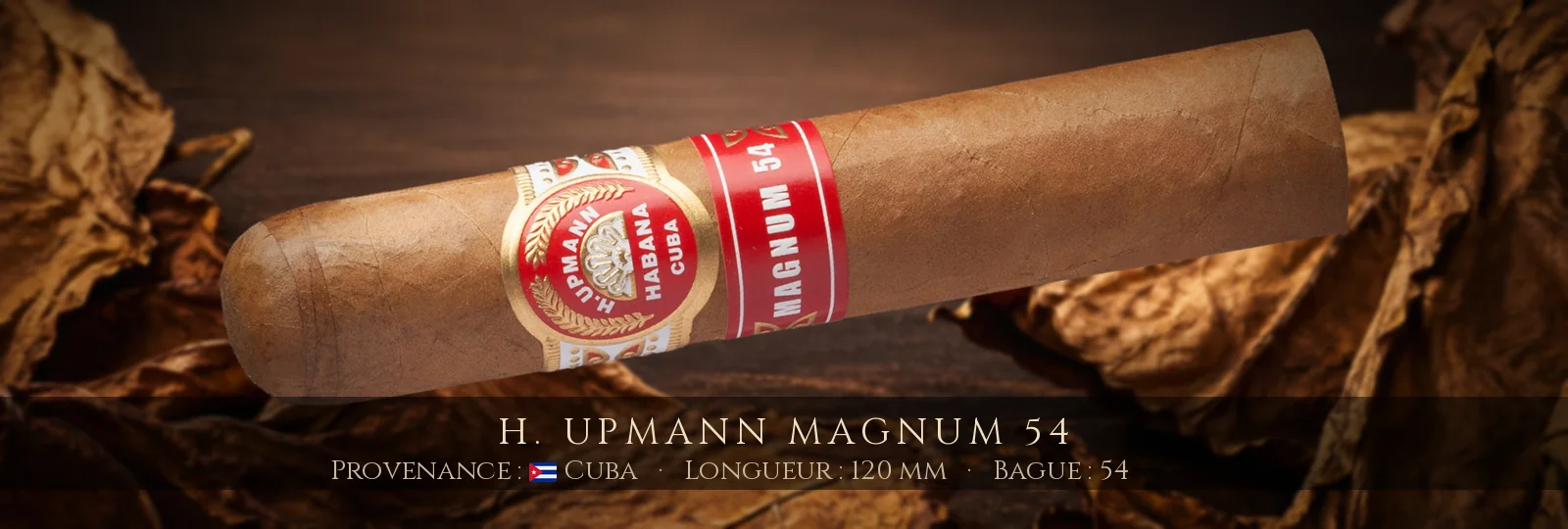
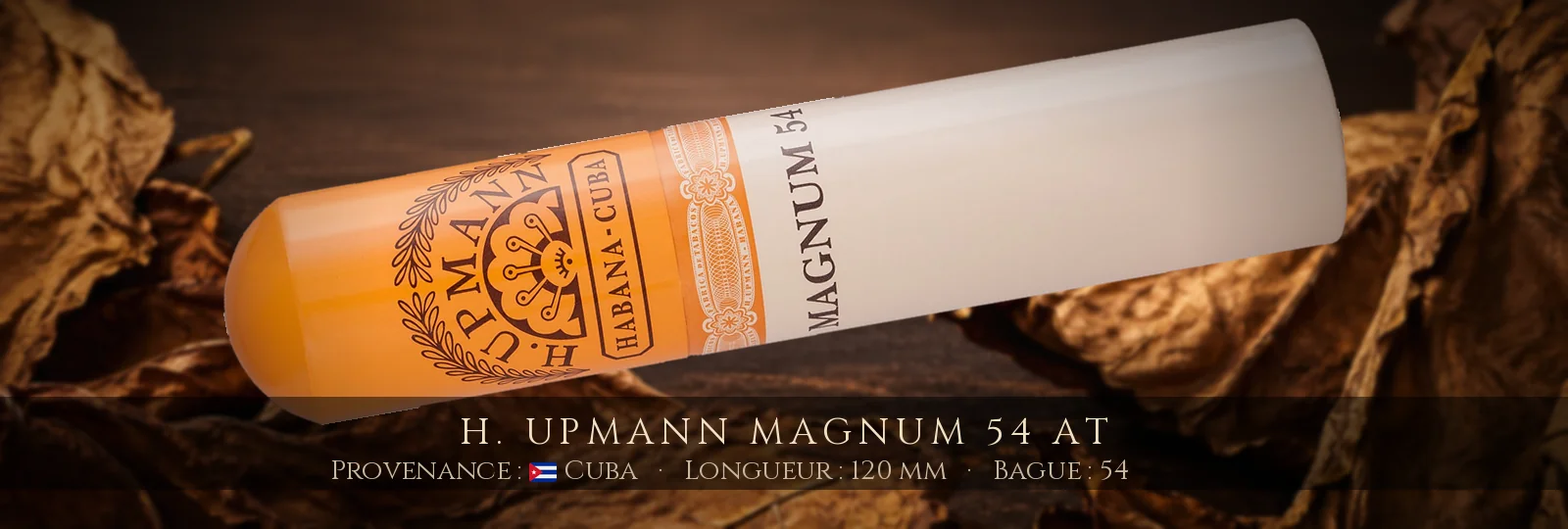
H. Upmann
H. Upmann Magnum 54 AT
Cuba · Petit Belicosos
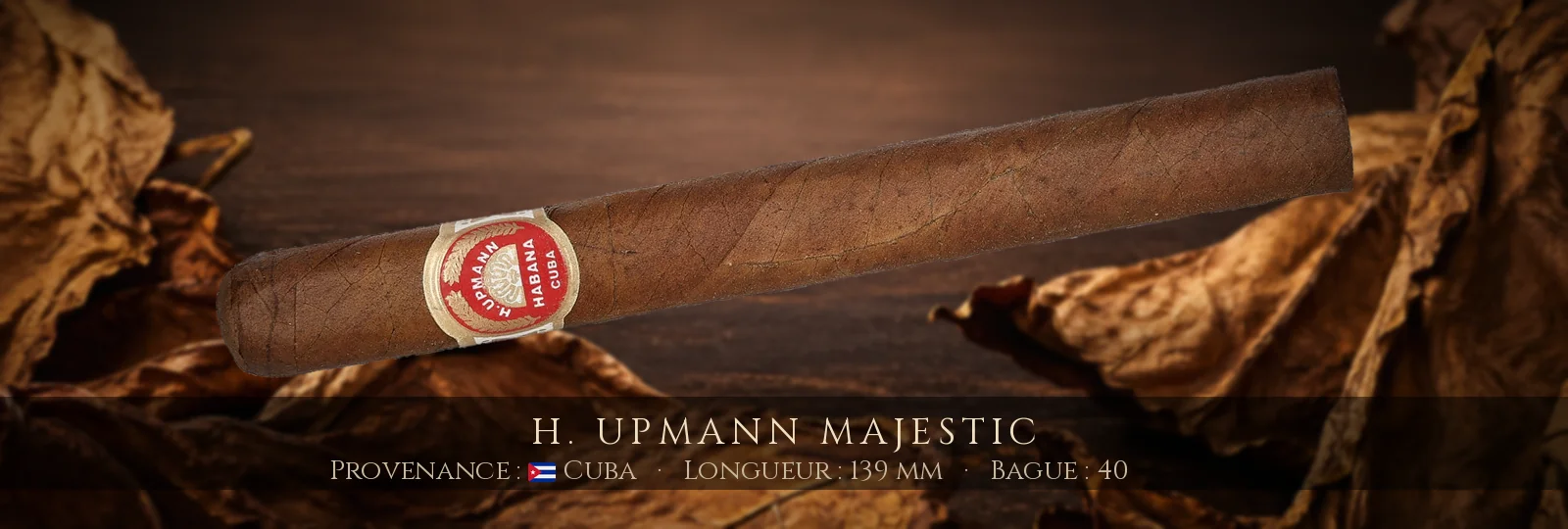
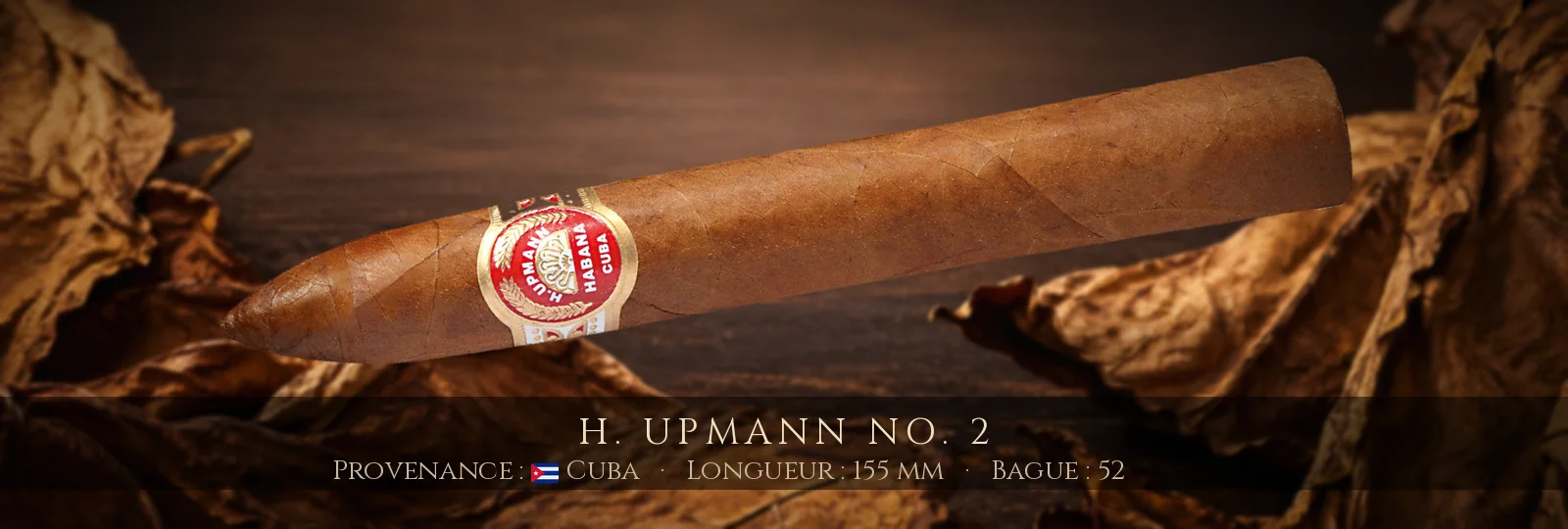
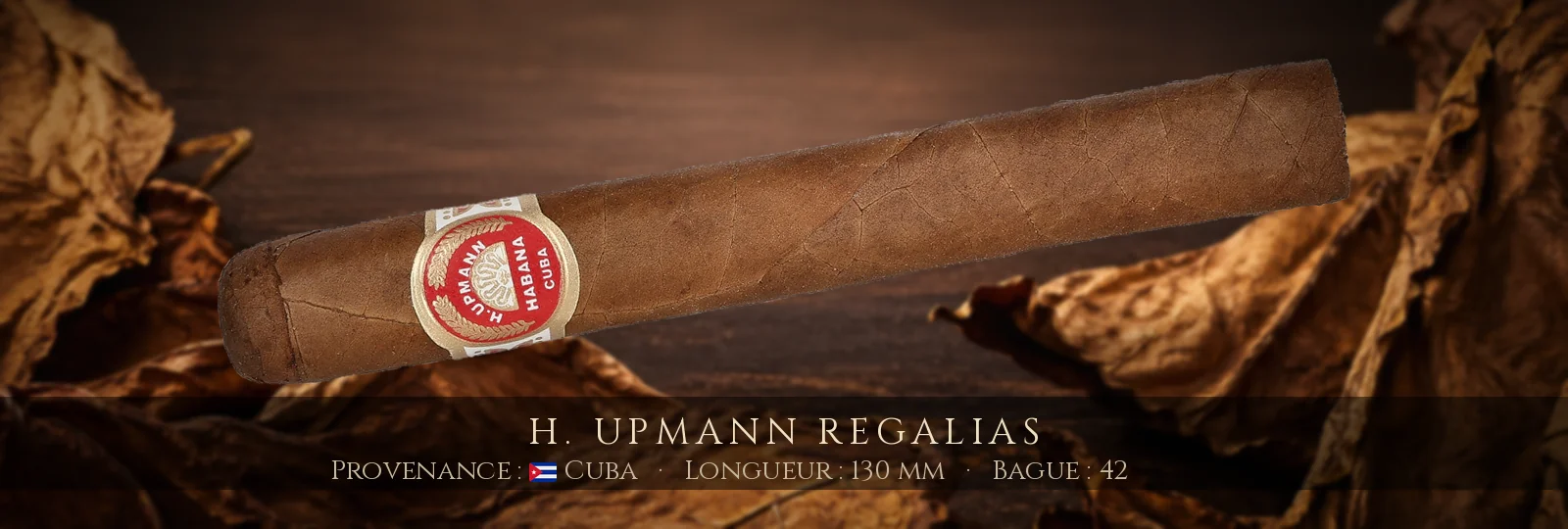
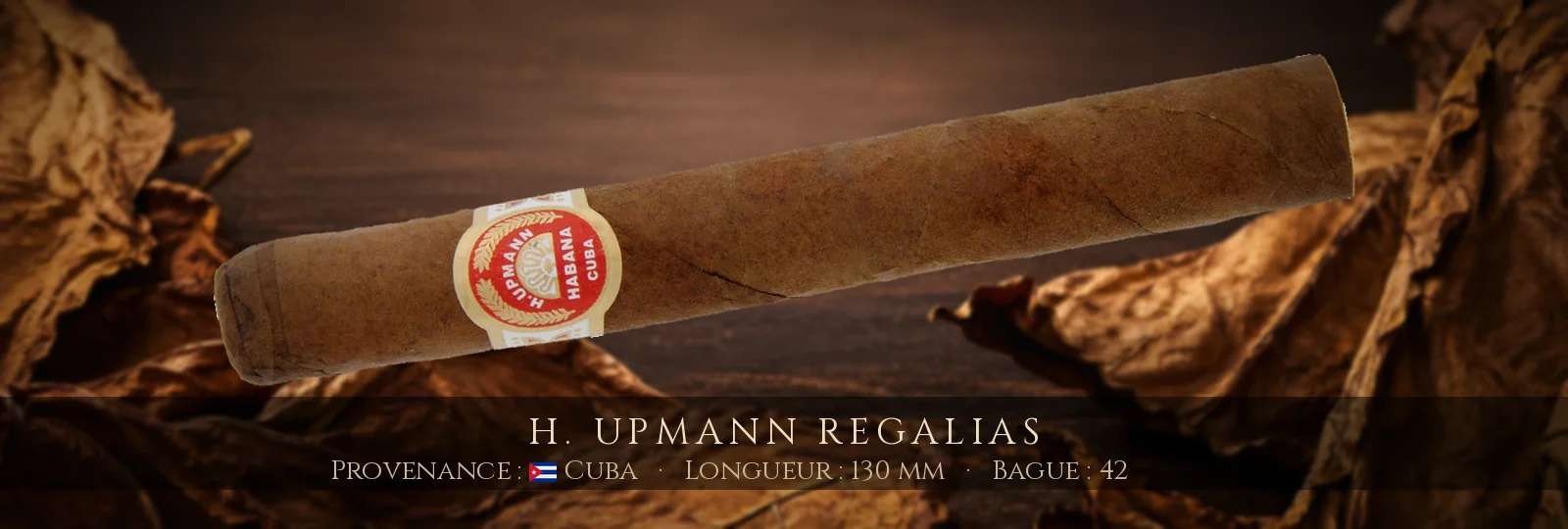
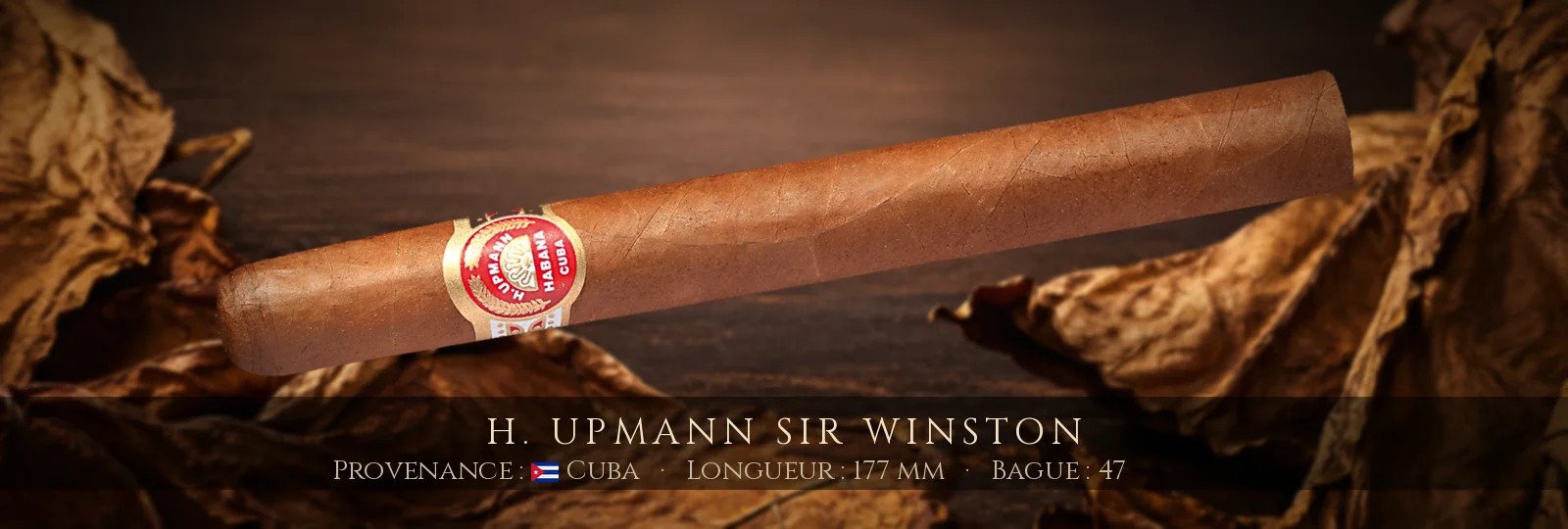
The H placed before Upmann is the initial of Herman, who was a German banker who expressed his love for cigars by creating a cigar factory in Cuba in 1844. This family worked in finance and cigars for only 40 years, but the brand is still esteemed, even mythical, to this day. This factory is among the oldest in Cuba.
Cuban cigar enthusiasts should know that H. Upmann produces a significant number of cigars, a large quantity of which are machine-made and therefore of a quality that is not identical to that of handmade cigars. Great Britain only imports handmade Upmanns for this reason.
Hermann Upmann, banker and great cigar enthusiast, founder of the eponymous line, decided in 1844 to settle in Havana as a banker and cigar maker. Together with his brother August, instead of merely exporting cigars to Europe, he invested in a factory to launch their brand. They brought a breath of fresh air to the industry with the cedar cigar box designed to optimize the preservation and transport of the precious vitolas.
Marked with the brand and the distinctions won at competitions, this original packaging also became a highly effective advertising object. Thus, in boxes bearing the signature of their creator, H. Upmann cigars are elegant Habanos that are perfectly balanced, both in strength and aromas, with leaves grown in the Vuelta Abajo region.
The H. Upmann Petit Corona was, in fact, the favorite of President JF Kennedy, who, even the day before the embargo on Cuba, hurried to procure the 1,200 cigars still available from all of Washington DC. Unfortunately, the bankruptcy of the firm in 1922 led to several changes of ownership, ultimately ending up in 1937 in the hands of the Menendez family, who also manufacture Montecristo there.