
Ratings & reviews
Editorial score
Community score
Be the first
Organoleptic profile
Strength
mild
Balance
good
Draw
slightly tight
Intensity
subtle
- Bouquet
- complex
- Finish
- medium
- Ash color
- gray
- Smoke output
- medium
Aroma profile
Dominant aromas
Secondary aromas
Similar cigars
Based on strength, aromas, format and wrapper origin — for a comparable tasting experience.
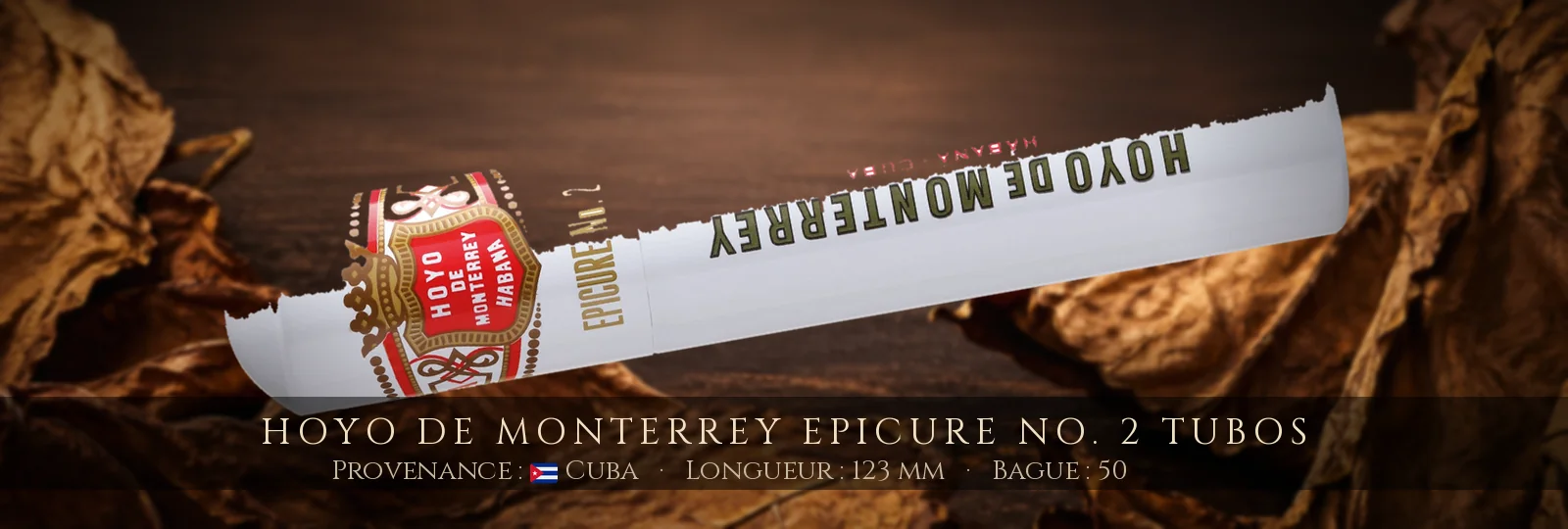 83% match
Hoyo de Monterrey
Hoyo de Monterrey Epicure No. 2 Tubos18 – 27 €
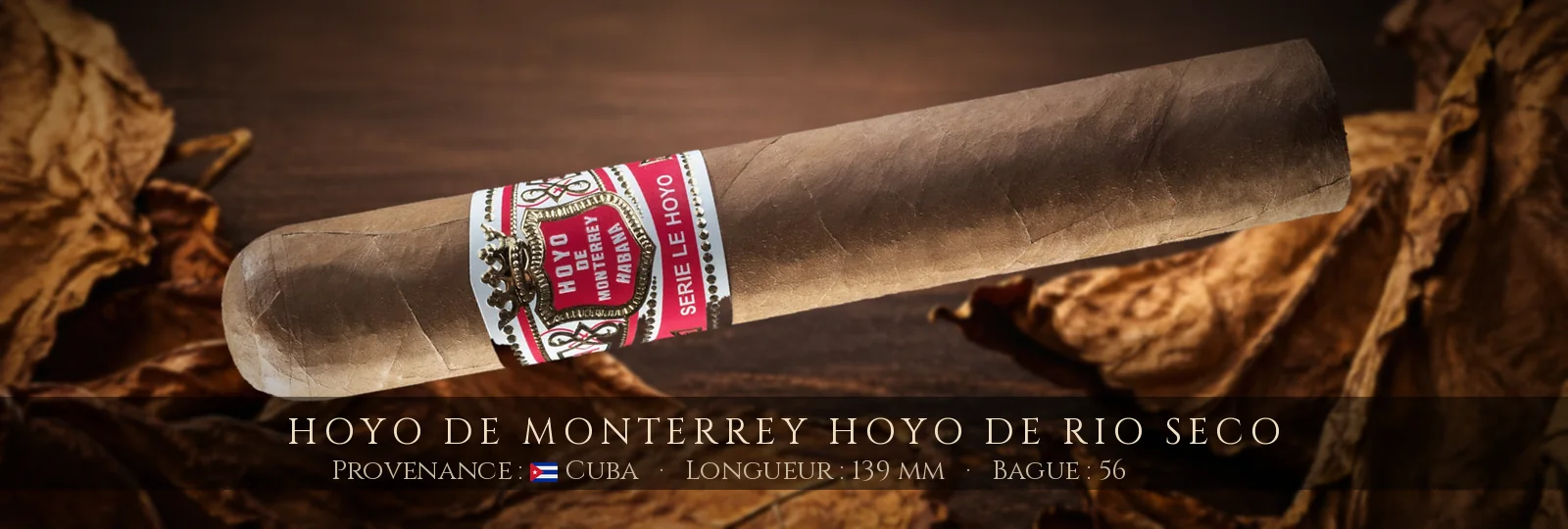 83% match
Hoyo de Monterrey
Hoyo de Monterrey Hoyo De Rio Seco21 – 32 €
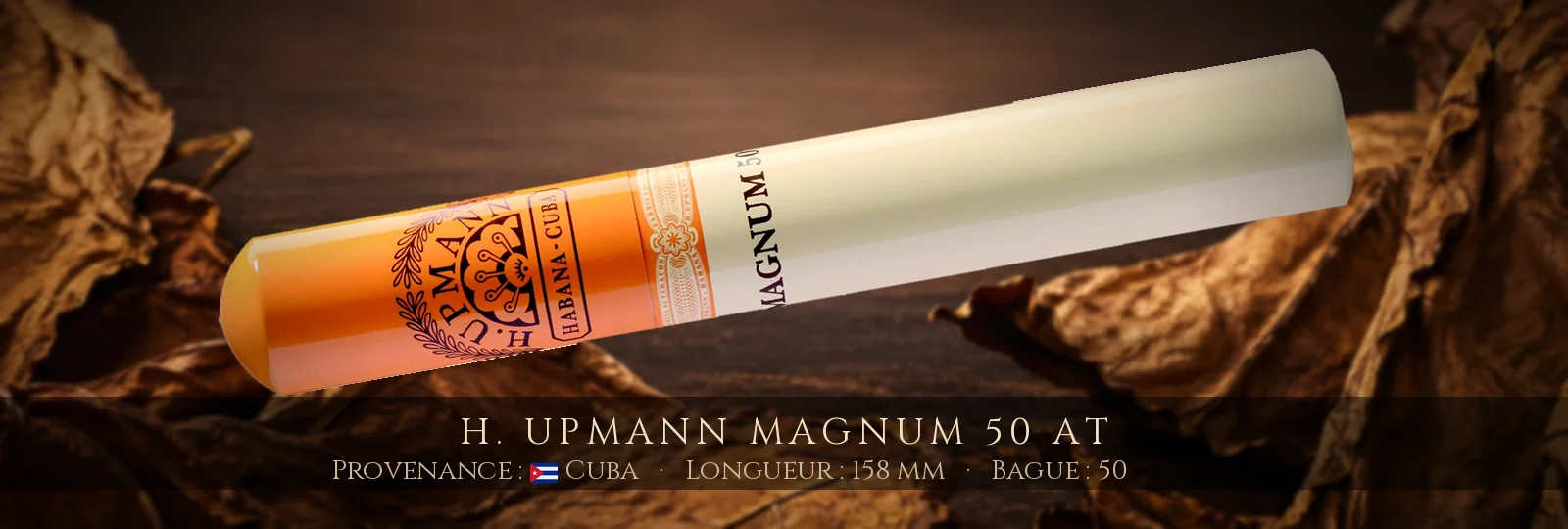 80% match
H. Upmann
H. Upmann Magnum 50 AT13 – 20 €
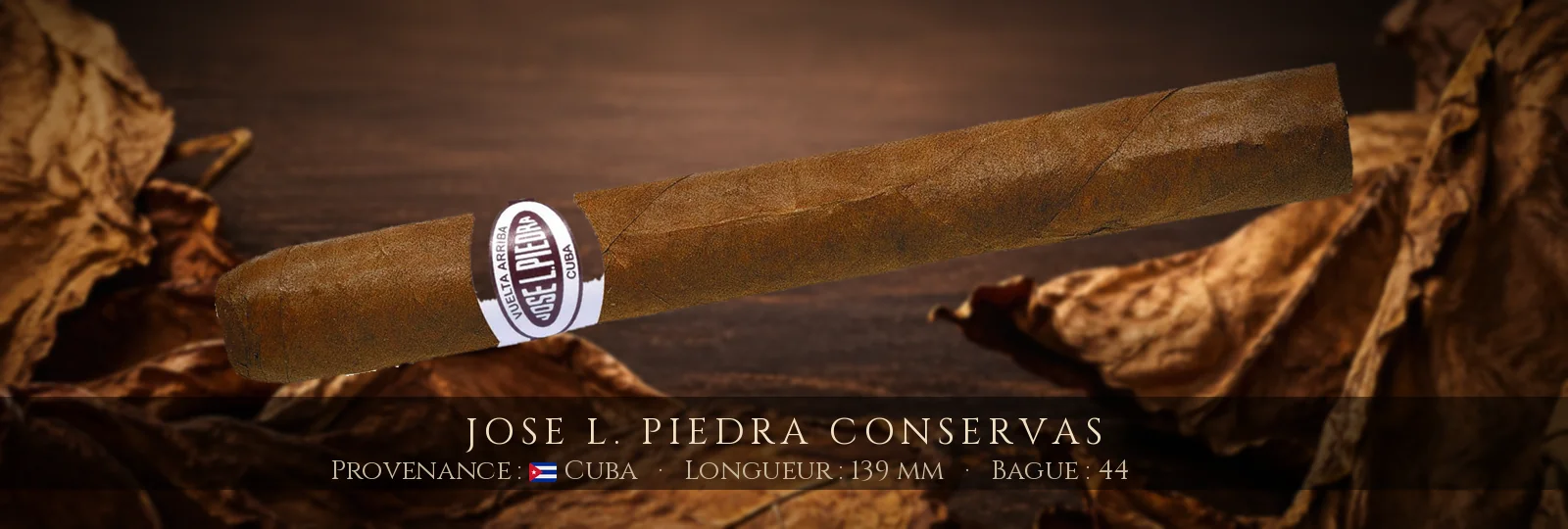 79% match
Jose L. Piedra
Jose L. Piedra Conservas2 – 4 €
Tasting notes
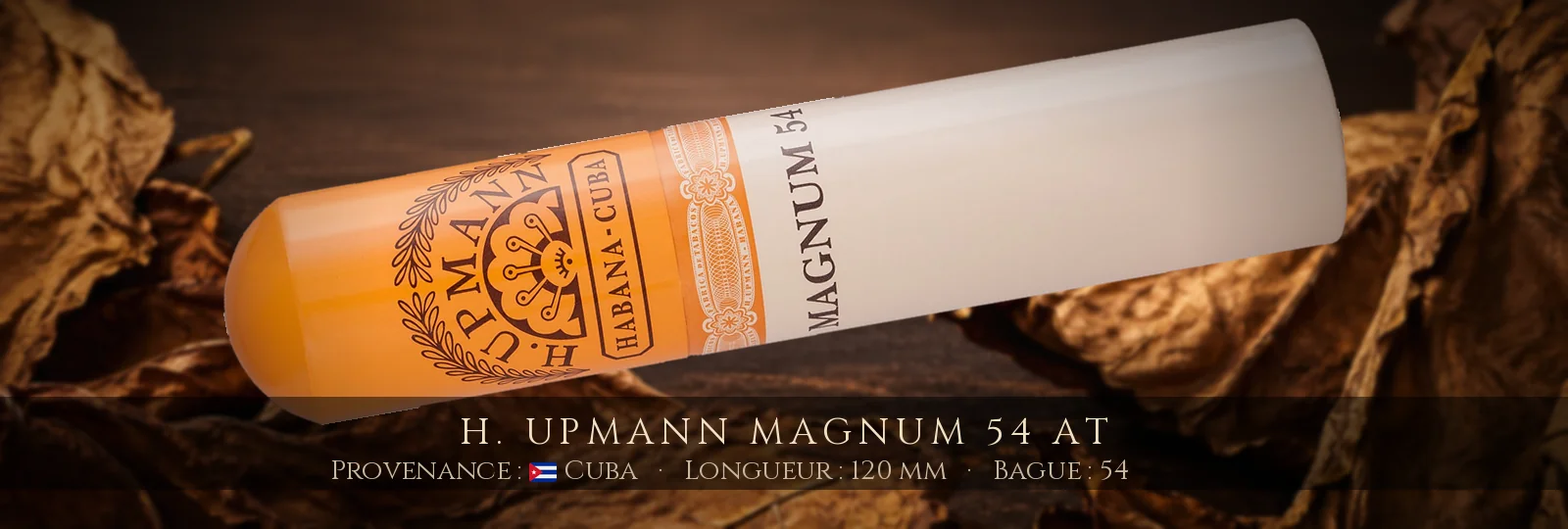
The H. Upmann Magnum 54 AT, with its 120.7 mm (4¾") length and 21.4 mm (⅞") diameter, features a Cuban wrapper with a satin texture, beautifully smooth to the touch. The overall presentation is enticing, and the color of the ash appears gray, suggesting a satisfactory performance.
Upon lighting, the first olfactory contact evokes subtle pre-light aromas of earth, with notes of leather and coffee that slowly unfold. The draw, although somewhat difficult, promises a rich tasting experience, even if the initial evolution may seem understated. These aromas blend with a hint of cocoa, creating a complex bouquet that piques curiosity.
On the palate, the three thirds reveal a certain evolution. The first third begins with notes of earth and hazelnut, followed by pepper nuances in the second third, where the creamy texture starts to manifest. This development is slow yet consistent, offering an interesting balance between sweetness and bitterness. The finish is marked by persistent flavors on the nose that establish a pleasant finish.
The final sensation is a delightful discovery, combining coffee notes and a slight bitterness, which reflects the unique character of this cigar. It leaves a pleasant impression but could benefit from a few years of patience to reach its maximum potential.
Ideally, savor this cigar after lunch with an espresso, allowing the aromas to harmonize beautifully with the coffee and cocoa nuances that characterize it.
Community impressions
Enthusiasts of this cigar highlight a beautiful complexity of flavors, although some have noted a slightly difficult draw. Earthy and coffee notes dominate, promising a lovely evolution, despite some critiques on the construction. Overall, this H. Upmann Magnum 54 AT is perceived as a cigar with potential, to be enjoyed with patience.
How to taste: H. Upmann Magnum 54 AT
▼
1.The Visual Examination
The H. Upmann Magnum 54 AT features a colorado wrapper, a shiny reddish-brown color that is slightly oily, characteristic of Cuban cigars. Its dimensions, with a length of 120.7 mm (4¾") and a ring gauge of 54, make it a Petit Belicosos, offering a pleasant grip despite mediocre construction.
This first step allows for the assessment of the quality of the leaf and construction, crucial elements for an optimal tasting experience. A well-maintained appearance often heralds promising pre-light aromas.
2.Pre-light Olfaction
Before lighting the cigar, an olfactory examination reveals aromas reminiscent of damp earth, coffee, and chocolate. These scents foreshadow the aromatic richness of the tasting.
Smelling these pre-light aromas helps to anticipate the sensations to come and to refine one's focus on the evolving flavors during the burn.
3.The Cut
The standard cut under the cap of the H. Upmann Magnum 54 AT must be executed with precision to ensure an enjoyable draw. This step is crucial for a straight-format cigar like this one.
A well-executed cut guarantees a consistent draw, thus avoiding the inconveniences of uneven combustion that could arise from an imperfect cut.
4.Cold Draw
The cold draw reveals a slight difficulty, indicating a potential need for a re-cut. Feeling the resistance helps assess the airflow within the cigar.
This allows for the identification of any manufacturing defects before lighting, enabling adjustments to the cut for optimal draw.
5.Lighting
During lighting, it is essential to toast the foot of the cigar properly to achieve an even burn. A good lighting will help avoid imbalances during the tasting.
Lighting the cigar uniformly prevents canoes, where certain sides burn faster than others, thus ensuring a smooth tasting experience.
6.First Third
The first third of the H. Upmann Magnum 54 AT is characterized by its smoothness, with dominant aromas of damp earth, coffee, and chocolate, while producing a medium volume of smoke.
This stage is often the most intense in flavor, and appreciating its smoothness prepares the palate for more evolving flavors in the subsequent thirds.
7.Second Third
During the second third, secondary aromas of leather, nuts, and pepper begin to emerge, enriching the experience while maintaining a good balance.
This evolution confirms the complexity of the blend and highlights the quality of the fermentation process, allowing for the discovery of more subtle nuances on the palate.
8.The Finish
The finish is marked by gray ash and a slightly bitter sensation on the palate, accompanied by a pleasant finish, attesting to the quality of the tobaccos used.
Analyzing the finish reveals the persistence of the aromas and the quality of the leaf drying, essential elements for evaluating the overall tasting.
Community tasting notes
Have you smoked this cigar?
Be the first to share your tasting. Your review helps thousands of enthusiasts make the right choice.
✍️ Write a tasting note