
Ratings & reviews
Editorial score
Community score
Be the first
Organoleptic profile
Strength
medium
Balance
excellent
Draw
perfect
Intensity
expressive
- Bouquet
- complex
- Finish
- long
- Ash color
- gray
- Smoke output
- medium
Aroma profile
Dominant aromas
Secondary aromas
Similar cigars
Based on strength, aromas, format and wrapper origin — for a comparable tasting experience.
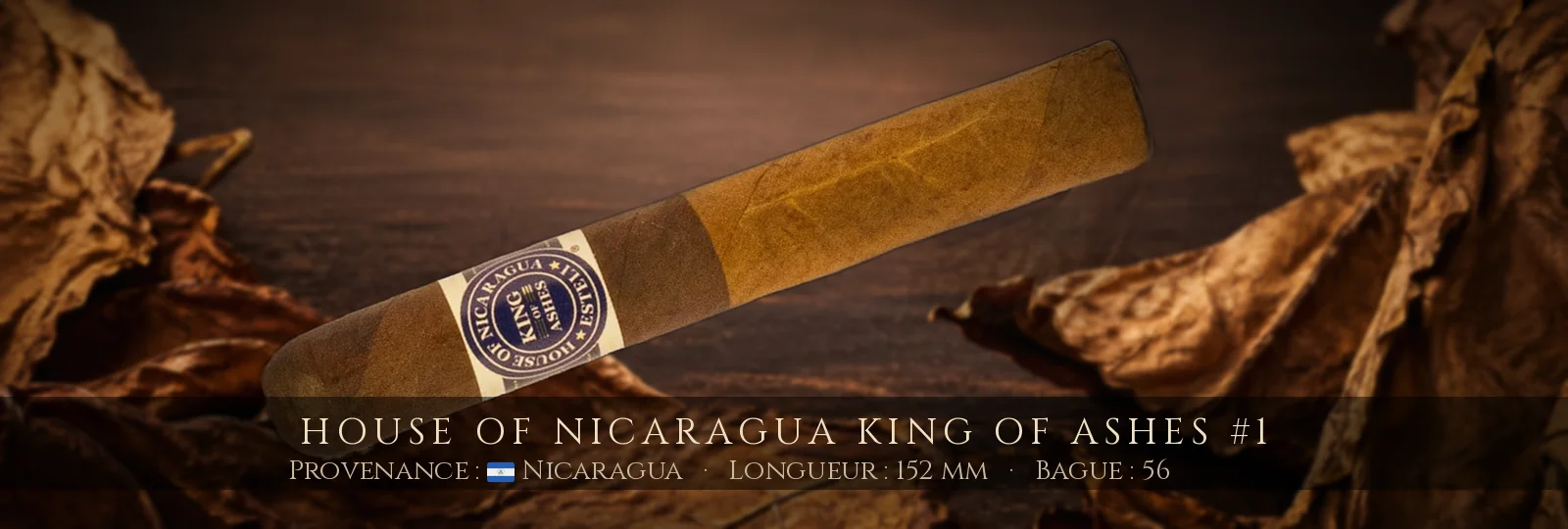 95% match
House of Nicaragua
House of Nicaragua King of Ashes #112 – 19 €
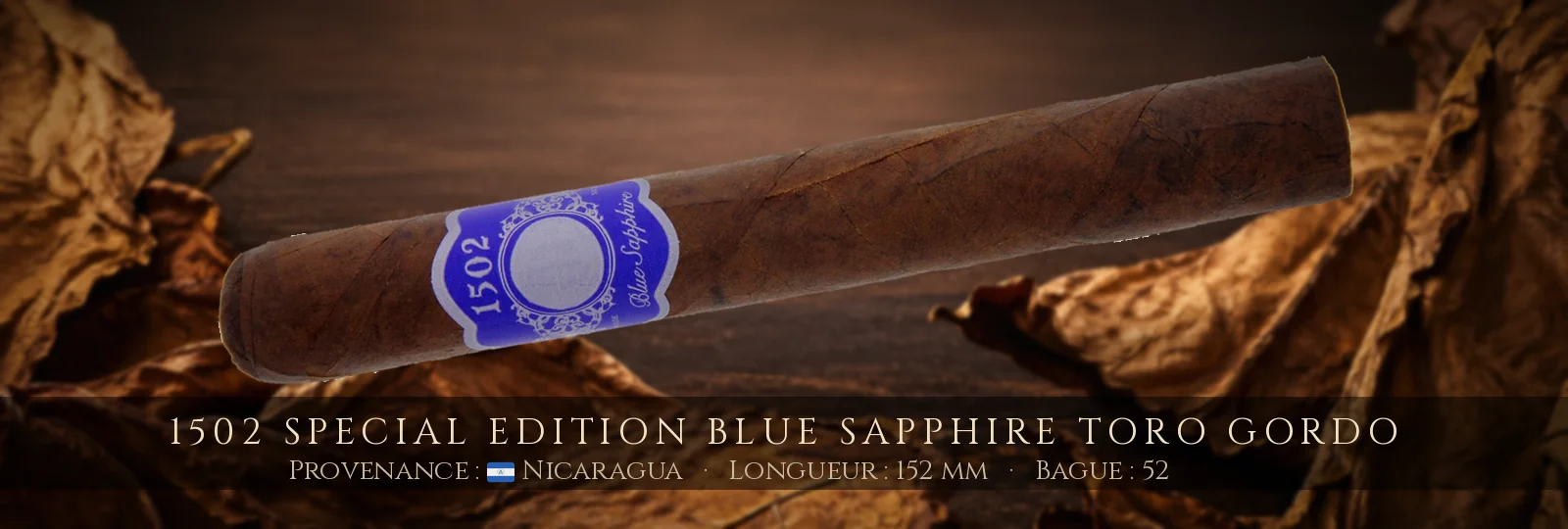 89% match
1502
1502 Special Edition Blue Sapphire Toro Gordo10 – 16 €
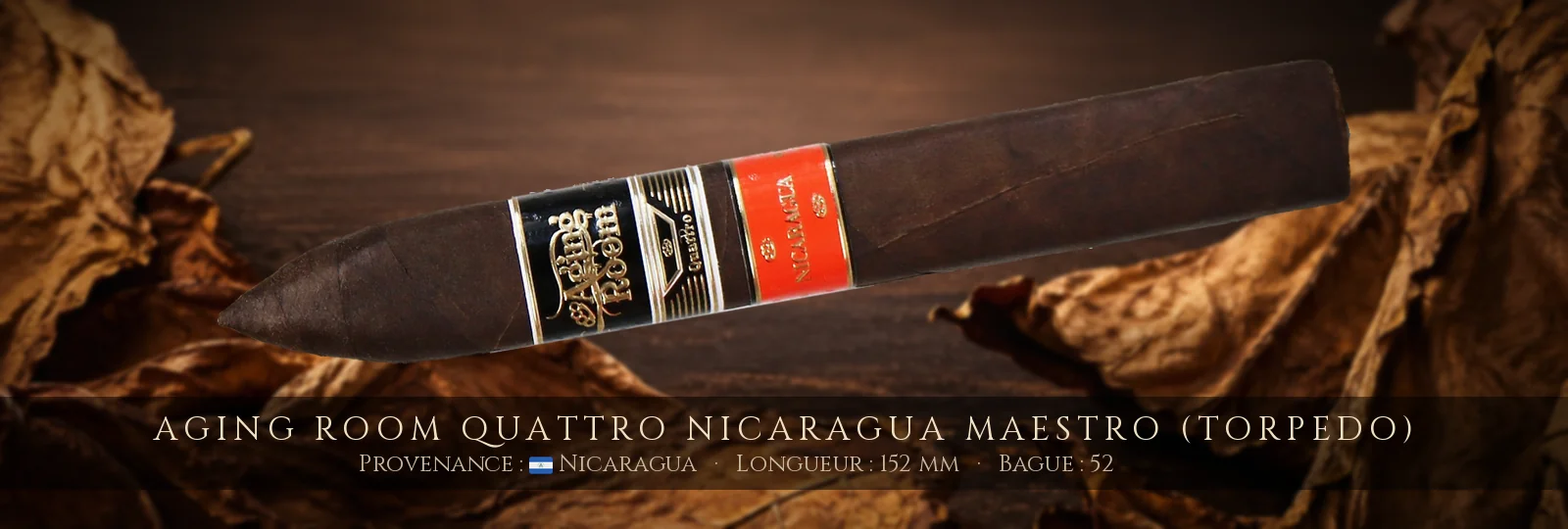 87% match
Aging Room
Aging Room Quattro Nicaragua Maestro (Torpedo)11 – 18 €
 87% match
La Aurora
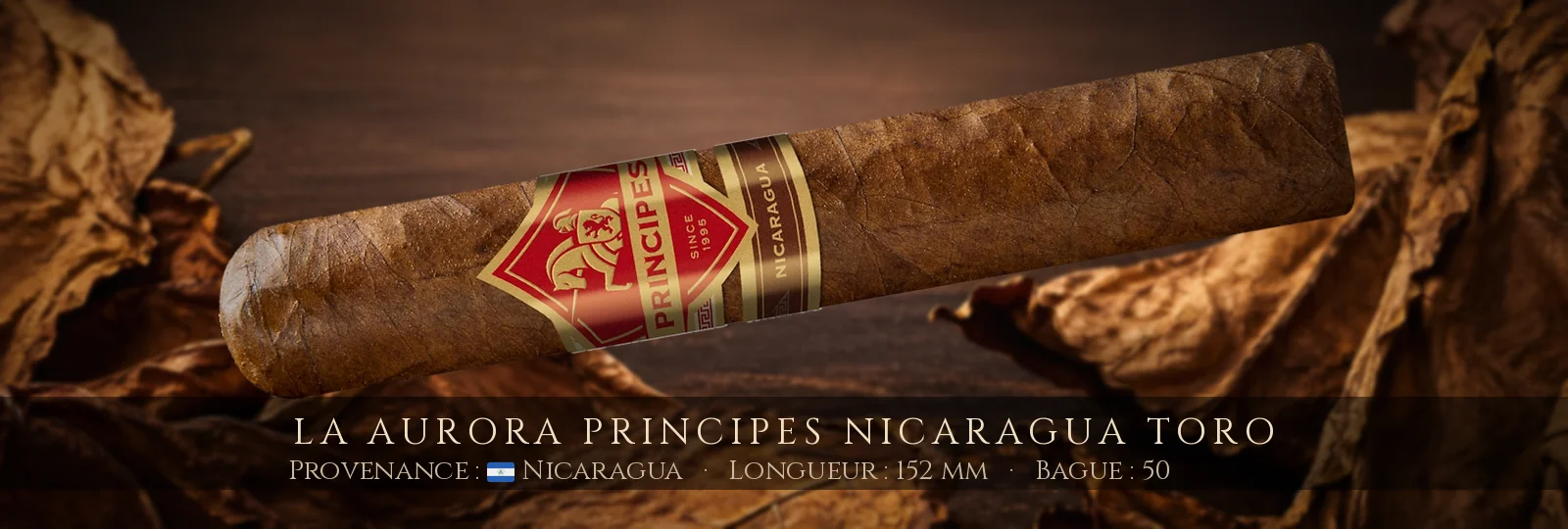
La Aurora Principes Nicaragua Toro3 – 5 €
Tasting notes
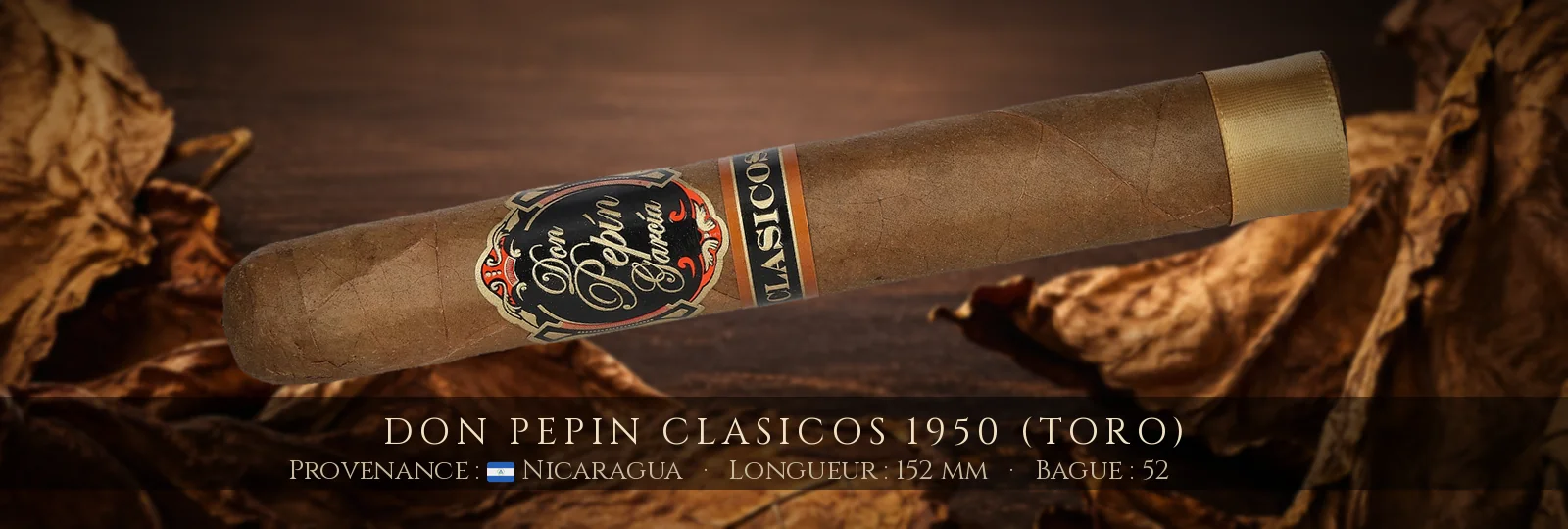
The Don Pepin Clasicos 1950 presents itself with a dark and oily wrapper, highlighting its Nicaraguan origin. The choice of *Cuban Rosado* for the wrapper emphasizes a beautiful sheen and a smooth texture, pleasantly fitting in hand. This Toro format immediately invites you to enjoy it with an overall neat appearance and elegant labeling.
Upon lighting, the first olfactory contact is dominated by notes of black pepper, setting the rhythm and revealing a complex palette. Quickly, this spiciness gives way to aromas of wood and dark chocolate, propelling the tasting experience into a rich journey. Each puff offers a harmonious evolution, where the subliminal notes of cocoa and spices enrich this aromatic ensemble.
On the palate, the Don Pepin unfolds over the thirds with a marked aromatic progression. From the first third, the peppery flavors blend with intense woody notes, while the second third adds an additional complexity with hints of hazelnuts and cocoa. The finish does not disappoint, extending with toasted flavors and a subtle sweetness that continues to evolve.
The finish of this cigar is distinguished by a long finish, leaving a lingering sweetness accompanied by a slight bitterness. The balance between the strength and the sweeter aromas is simply excellent, making this experience unique and memorable.
For an ideal tasting, this cigar can be enjoyed at any time of the day, but it pairs particularly well with a black coffee or a sweet liqueur at the end of a meal, highlighting its powerful and warm aromas.
Community impressions
Cigar enthusiasts highlight its excellent craftsmanship and remarkable balance. With complex aromas of pepper, wood, and chocolate, it offers a rich and satisfying experience. Its finish and easy draw are also appreciated, making this cigar a must-have for aficionados in search of deep and elegant flavors.
How to taste: Don Pepin Clasicos 1950 (Toro)
▼
1.The Visual Examination
The Don Pepin Clasicos 1950 (Toro) features a rich brown wrapper, slightly textured, that immediately captures the eye. Its construction is very beautiful, with no notable imperfections, and its dimensions of 152.4 mm (6") in length with a ring gauge of 52 provide a comfortable grip.
This visual analysis allows for an assessment of the overall quality of the cigar, an essential indicator of the upcoming experience. A good construction and an attractive appearance are often signs of a well-prepared cigar.
2.Pre-light Aromas
Before lighting the cigar, take a moment to appreciate its pre-light aromas. You should perceive notes of pepper, wood, and a subtle chocolate that intertwine pleasantly.
This step is crucial as it allows you to anticipate the flavors that will develop during the burn. The pre-light aromas reveal the raw nature of the tobacco, fundamental for appreciating the complexity of the blend.
3.The Cut
Opt for a standard straight cut just below the cap, ensuring a clean and sharp opening. This cut facilitates the easy draw and prepares the cigar for an optimal experience.
A precise cut is essential to ensure a consistent draw. A poorly executed cut could hinder airflow and affect the burn, thus compromising your tasting experience.
4.Cold Draw
Before lighting, perform a cold draw. This step proves perfect, indicating smooth airflow through the filler, without obstruction.
An effective cold draw indicates a well-constructed cigar. This allows for the identification of any manufacturing defects and ensures a pleasant burn upon lighting.
5.Lighting
Light the foot of the cigar evenly, ensuring to slightly toast the tobacco before taking the first puff. This prepares the cigar for a harmonious burn.
A careful lighting prevents canoeing issues, where one part of the cigar burns faster than the other. A good start sets the stage for a smooth and uninterrupted tasting experience.
6.First Third
In the first third, the strength reveals itself as medium, while the dominant aromas of pepper, wood, and chocolate express themselves with intensity. The smoke volume is also medium, providing a pleasant sensation in the mouth.
This initial phase is often the most powerful, conditioning future impressions. The intensity of the aromas allows you to calibrate your palate for the remainder of the tasting.
7.Second Third
At this stage, secondary aromas, such as hazelnut and spices, begin to manifest, creating a beautiful complexity. The balance remains excellent, with the cigar evolving harmoniously.
Observing this evolution allows for an appreciation of the richness of the blend. The presence of secondary aromas enriches the experience and attests to the quality of the tobaccos used.
8.The Finish
The color of the ash is gray, and the finish offers a slight bitterness, accompanied by a hint of sweetness. The finish is notable, prolonging the pleasure.
The analysis of the finish reveals the complexity of the blend and the quality of the leaf drying. A long finish is often a sign of good mastery of the aromas, leaving a lasting memory.
Community tasting notes
Have you smoked this cigar?
Be the first to share your tasting. Your review helps thousands of enthusiasts make the right choice.
✍️ Write a tasting note