
Ratings & reviews
Editorial score
Community score
Be the first
Organoleptic profile
Strength
medium
Balance
medium
Draw
slightly tight
Intensity
expressive
- Bouquet
- complex
- Finish
- medium
- Ash color
- gray
- Smoke output
- medium
Aroma profile
Dominant aromas
Secondary aromas
Similar cigars
Based on strength, aromas, format and wrapper origin — for a comparable tasting experience.
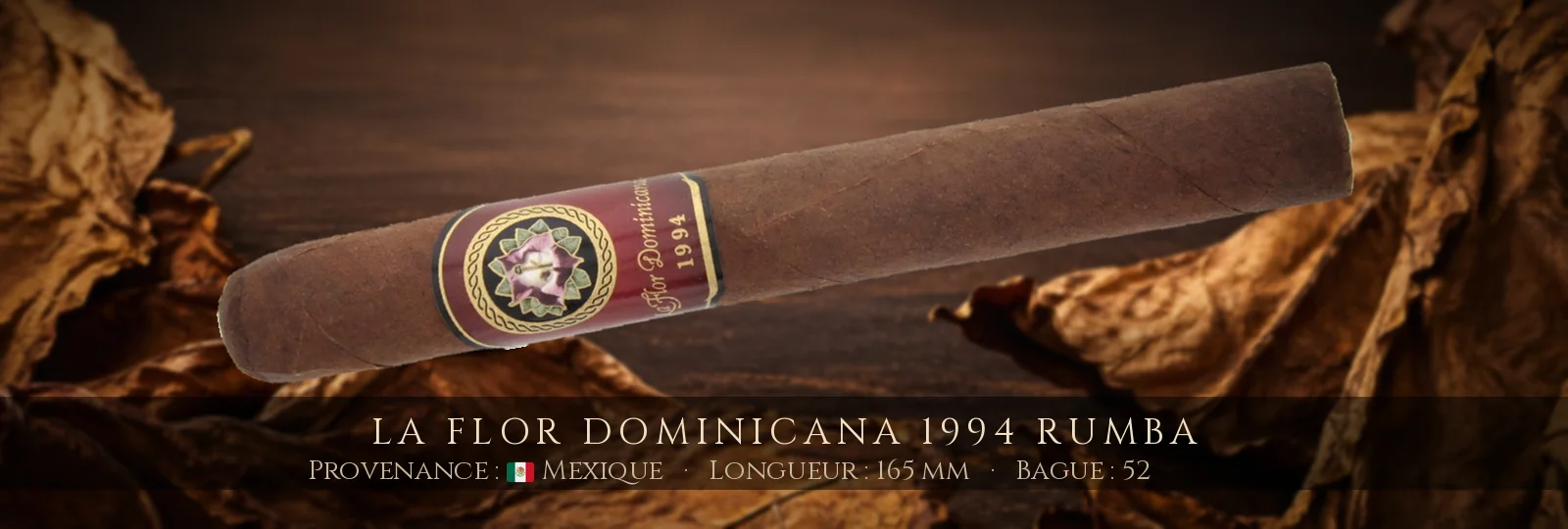 88% match
La Flor Dominicana
La Flor Dominicana 1994 Rumba7.5 – 12 €
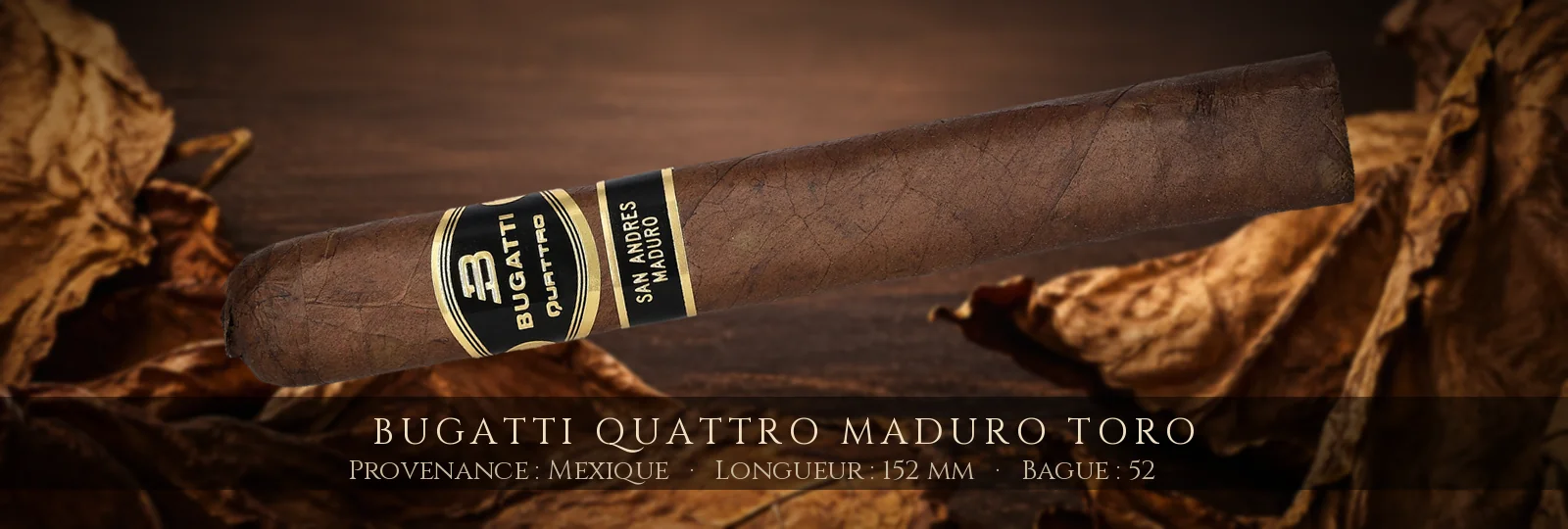 84% match
Bugatti
Bugatti Quattro MADURO Toro5 – 8 €
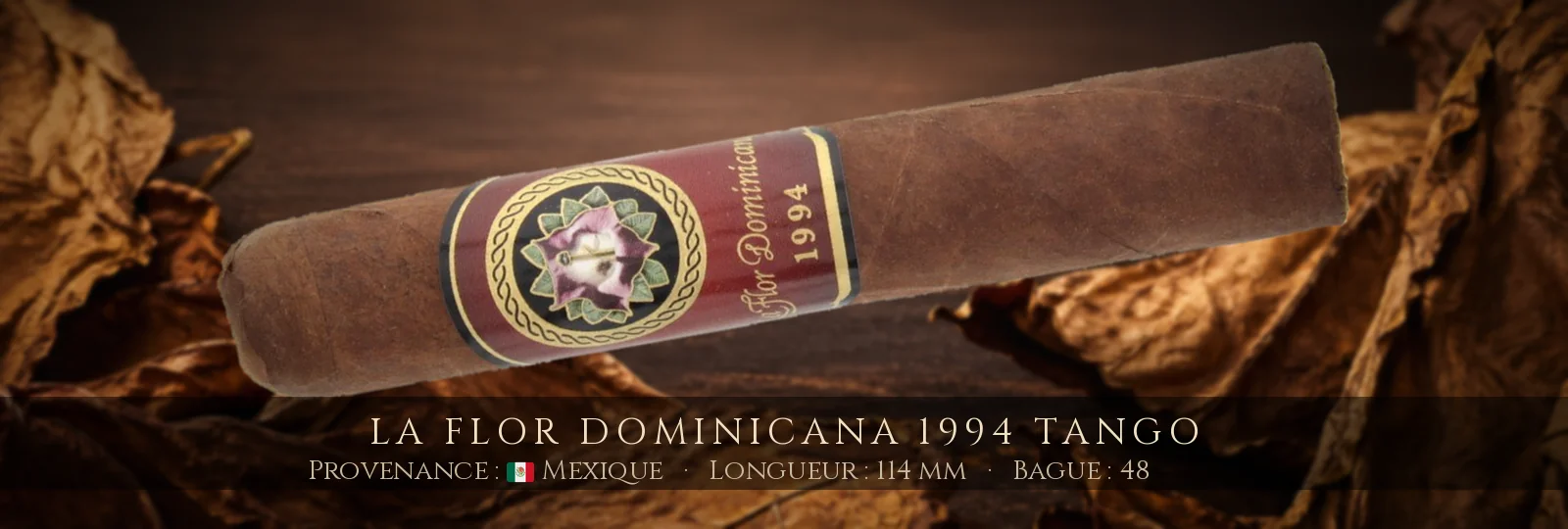 84% match
La Flor Dominicana
La Flor Dominicana 1994 Tango10 – 16 €
 83% match
Luciano
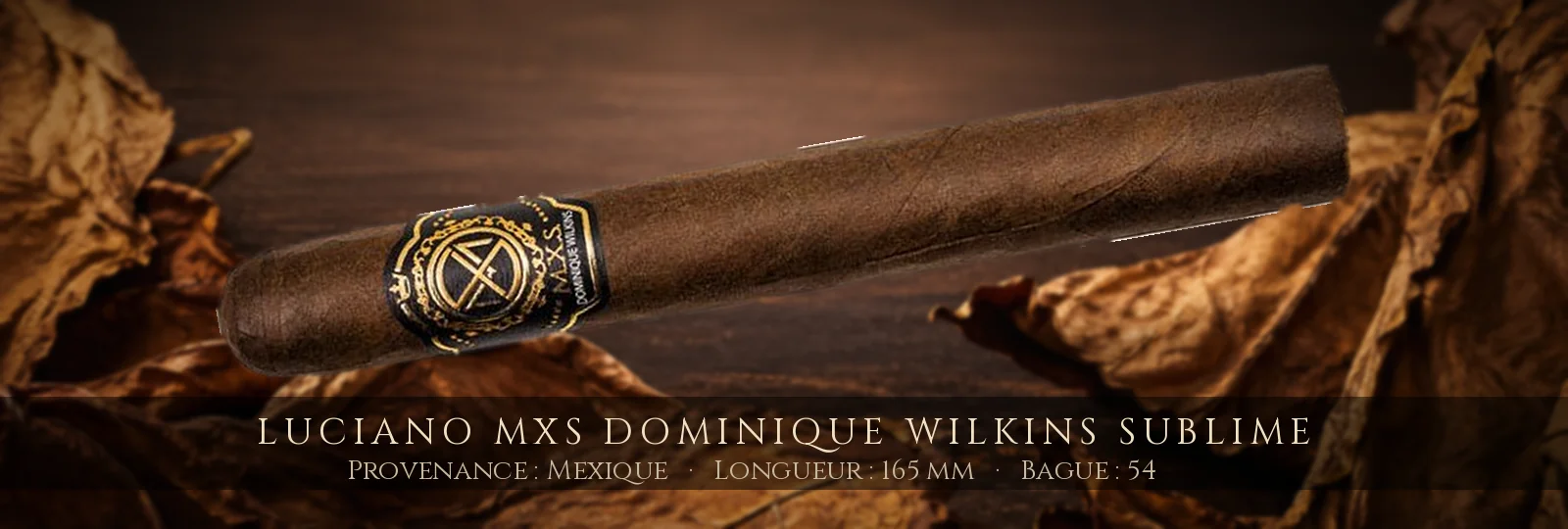
Luciano MXS Dominique Wilkins Sublime12 – 19 €
Tasting notes
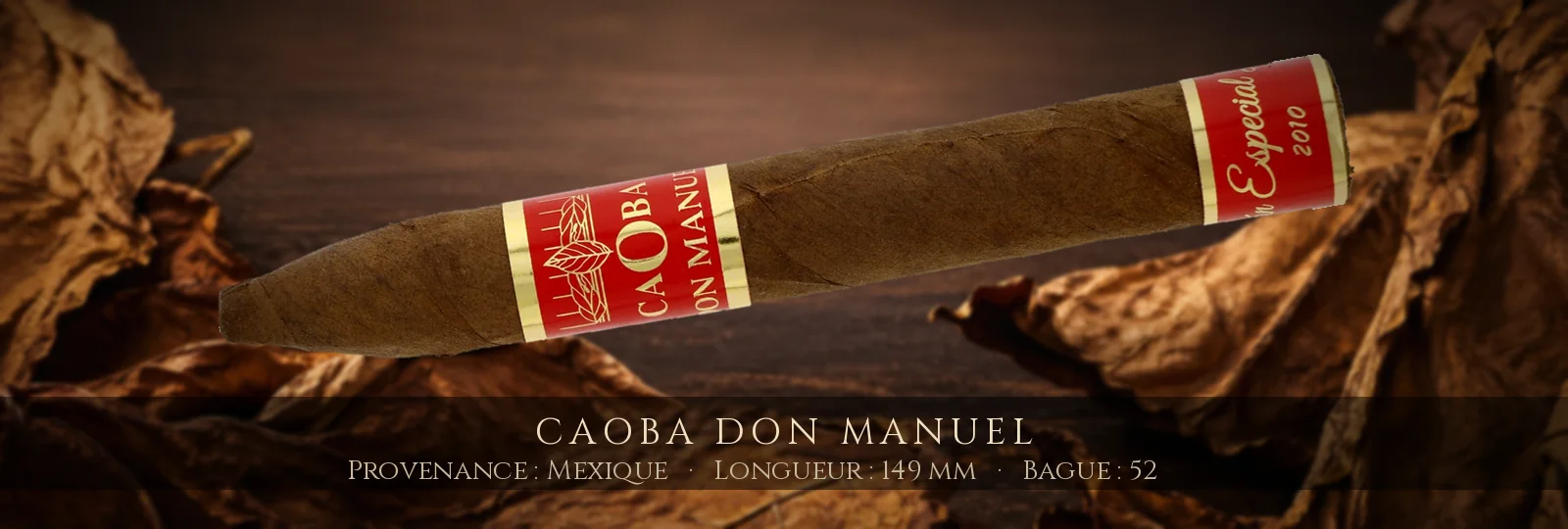
The Caoba Don Manuel, hailing from Mexico, reveals itself with a captivating wrapper, adorned with a visual development that catches the eye thanks to its smooth wrapper, interspersed with fine veins. Its presentation is meticulous, and the texture of its wrapper invites you to handle it.
From the first olfactory contact, one is charmed by its pre-light aromas, where floral notes blend with a slight sweetness. Upon lighting, a subtle mix of roasted coffee, wood, and earth emerges, accompanied by a spicy hint of pepper that heralds a promising start. The aromatic evolutions unfold with a finesse of expression.
On the palate, the progression of flavors is noticeable from the first thirds. Complexity settles in with notes of nuts that bring a pleasant sweetness, while accents of toasted and a bitterness assert themselves. However, the consistency of the draw proves to be a challenge, making the tasting experience somewhat inconsistent.
The finish concludes with a medium length, yet remains marked by a lingering bitterness. The cigar stands out for its balance between strength and sweetness, and while some floral nuances are still present, it leaves a drying sensation that may divide enthusiasts.
This cigar is best enjoyed during a relaxation break in the mid-afternoon, paired with a black coffee to complement its aromas, thus creating a harmonious alliance.
Community impressions
Enthusiasts of this cigar highlight its intriguing character but note a lingering bitterness that impacts the overall experience. Its coffee and wood aromas present an interesting potential, but the difficulty of the draw and the balance of flavors generate mixed reviews.
How to taste: Caoba Don Manuel
▼
1.The Visual Examination
The Caoba Don Manuel features a dark brown, pronounced maduro wrapper that catches the eye. Its construction is mediocre, which may result in noticeable imperfections in its overall appearance. With a length of 149.2 mm (5⅞") and a ring gauge of 52, this Toro format feels robust in hand.
Observing the color and construction allows for anticipating the richness and complexity of the tasting experience — a well-finished wrapper is often a hallmark of quality.
2.Pre-light Aromas
Before lighting the cigar, take the time to examine it olfactorily. Dominant aromas of coffee and wood intertwine with notes of damp earth, creating a rich olfactory palette. The aromas already promise to be complex and inviting.
This step allows for anticipating the flavors that the cold draw will reveal and prepares the palate for the nuances to come — this first contact is essential for appreciating the evolution of the aromas.
3.The Cut
Make a standard straight cut just below the cap, ensuring a precise motion. A clean cut is crucial for guaranteeing an optimal draw, especially with a mediocre construction that could make the draw more challenging.
A careful cut ensures good airflow, facilitating an even burn and avoiding potential discomfort during the tasting.
4.Cold Draw
Perform the cold draw — it proves to be somewhat difficult, which may indicate a manufacturing issue or uneven filling. The initial sensations on the palate already hint at the experience to come.
This step reveals any potential manufacturing defects that could detract from the tasting; a draw that is too difficult may require adjustments, while an easy draw suggests a more enjoyable experience.
5.Lighting
Proceed to light the cigar, ensuring to toast the foot properly. Particular attention should be paid to the uniformity of the lighting to avoid any imbalance from the start.
A careful lighting helps to prevent canoeing and asymmetrical burning issues, thus ensuring a smooth and pleasant tasting experience.
6.First Third
In this first third, the strength is perceived as medium with dominant aromas of coffee and wood accompanied by a moderately voluminous smoke texture. The intensity of these aromas strikes immediately with the first puffs.
This tasting phase often sets the tone for the rest of the cigar, as it reveals the character of the blend and its aromatic potential.
7.Second Third
As we approach the second third, a subtle evolution of flavors is noted, where secondary aromas of pepper and white flowers begin to assert themselves, while maintaining a medium balance among the various elements.
This stage is often where the complexity of the blend reveals itself, allowing for a more nuanced appreciation of the aromas and the structure of the cigar.
8.The Finish
At the conclusion of the tasting, the gray ash indicates a proper burn, while the finish is characterized by a persistent and slightly drying bitterness, complemented by subtle floral notes.
Analyzing the finish allows for validating the quality of the drying and the blend, while confirming the balance of flavors and their ability to leave a lasting impression.
Community tasting notes
Have you smoked this cigar?
Be the first to share your tasting. Your review helps thousands of enthusiasts make the right choice.
✍️ Write a tasting note