
Ratings & reviews
Editorial score
Community score
Be the first
Organoleptic profile
Strength
full-bodied
Balance
very good
Draw
tight
Intensity
expressive
- Bouquet
- complex
- Finish
- medium
- Ash color
- gray
- Smoke output
- medium
Aroma profile
Dominant aromas
Secondary aromas
Similar cigars
Based on strength, aromas, format and wrapper origin — for a comparable tasting experience.
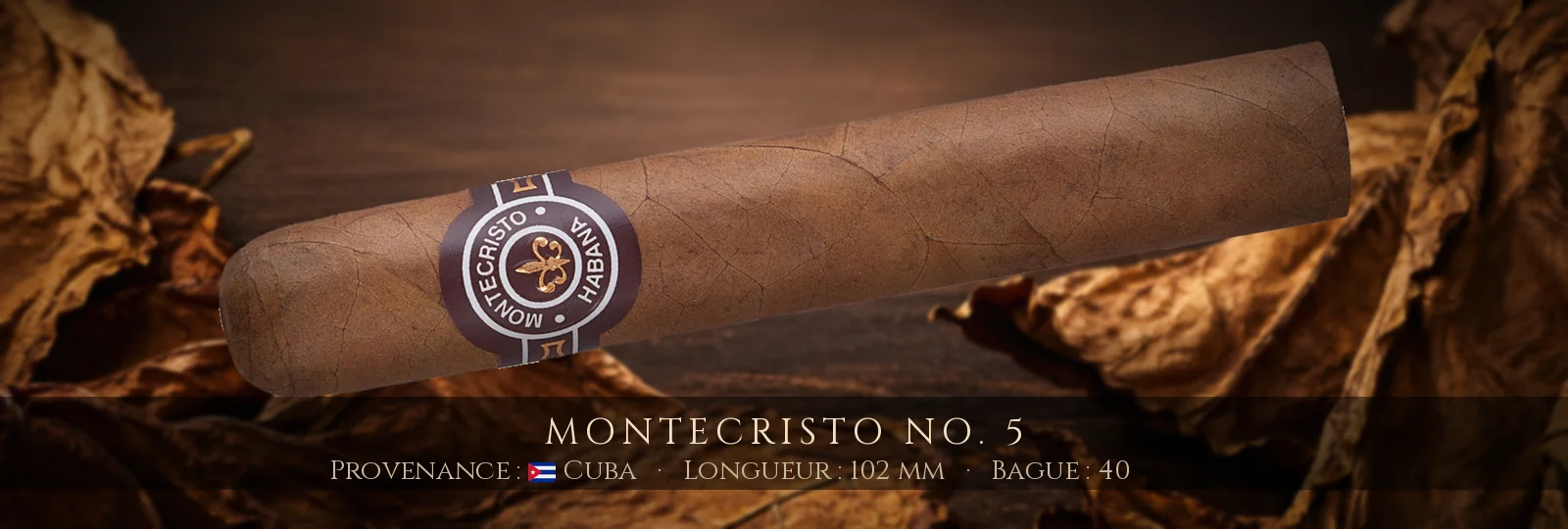 89% match
Montecristo
Montecristo No. 59 – 15 €
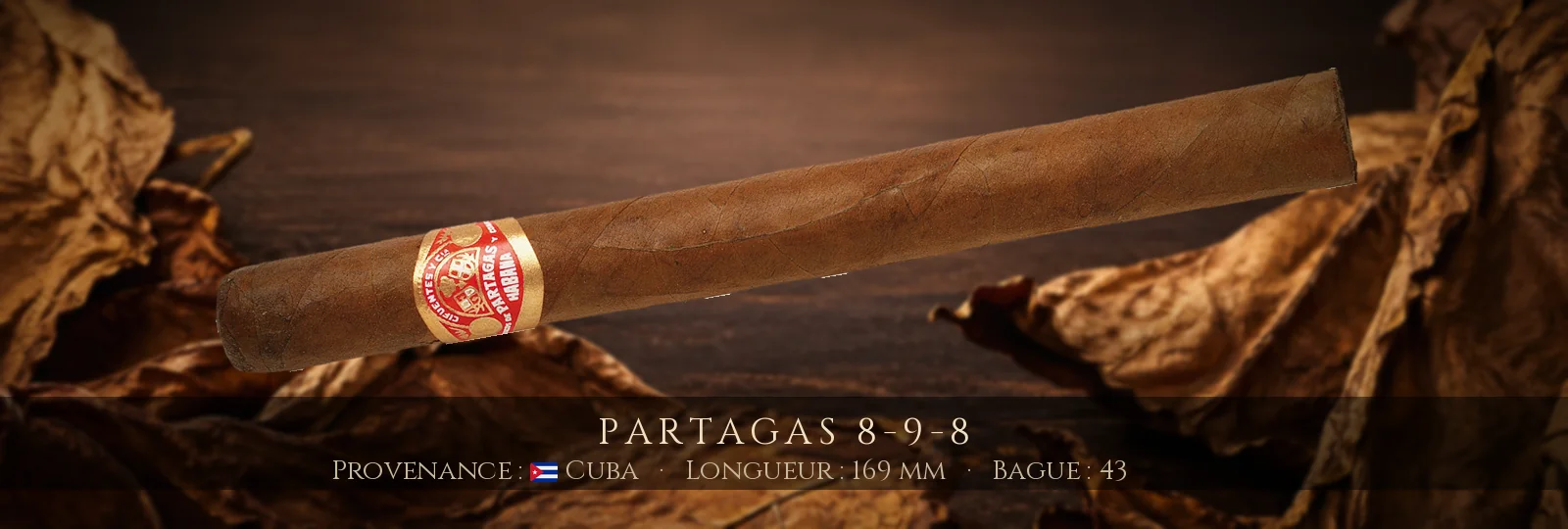 84% match
Partagas
Partagas 8-9-811 – 18 €
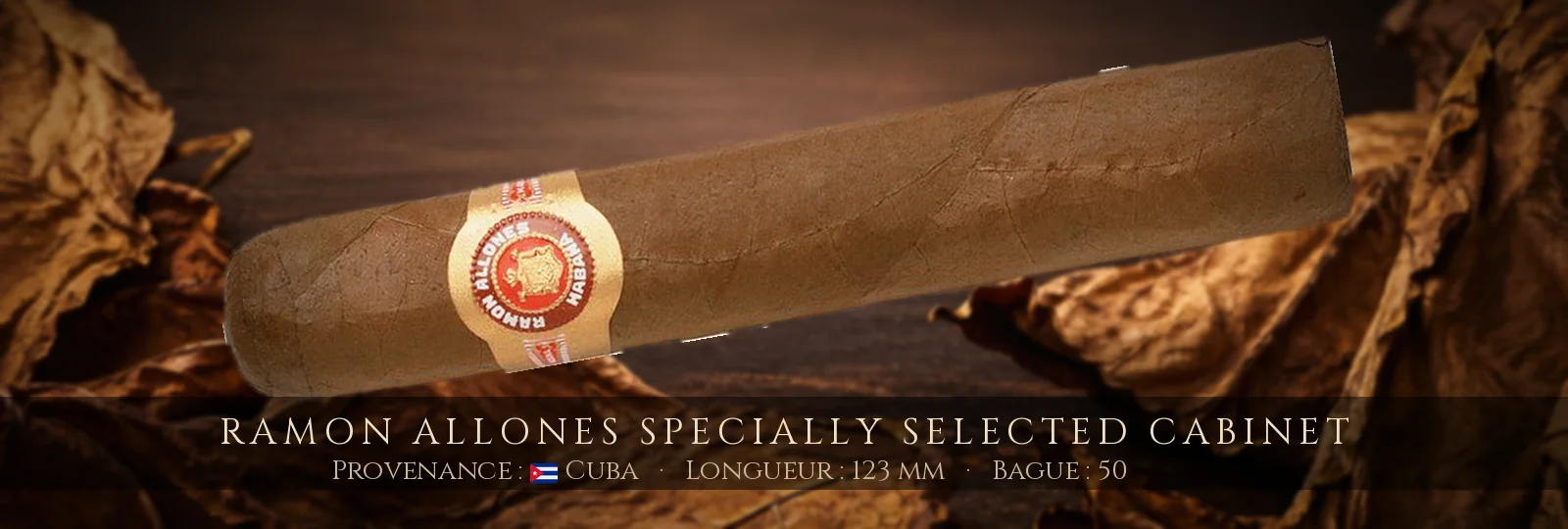 82% match
Ramon Allones
Ramon Allones Specially Selected Cabinet12 – 19 €
Tasting notes
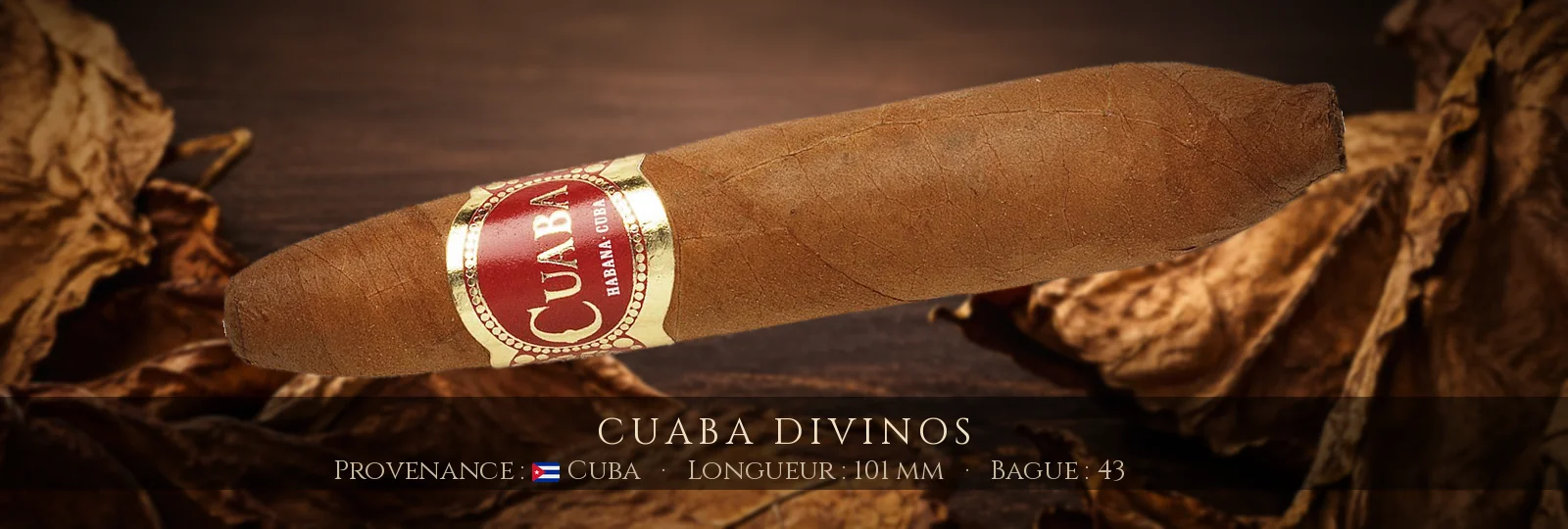
The Cuaba Divinos, a small Cuban cigar measuring 101.6 mm (4") in length, immediately captivates with its slender appearance and complex aromas. Its beautiful Colorado Maduro wrapper displays an alluring sheen, each cigar being a model of craftsmanship. The feel in hand is pleasant, highlighting the quality of construction that is felt with every puff.
Upon lighting, the cigar reveals dominant aromas of roasted coffee and spices, which quickly blossom, hinting at a touch of earth and black pepper. The initial contact is rich and inviting, showcasing a lovely complexity that prepares the palate for an elaborate tasting experience. As the cigar burns, secondary aromas of chocolate and nuts emerge, adding appreciable depth to each draw.
On the palate, the Cuaba Divinos stands out with its impressive aromatic progression. From the first third, a pleasant sweetness melds with harmonic and fruity notes that intensify, before more rustic tones enter play in the mid-section. The final third brings a perfect balance between strength and sweetness, with a finish that oscillates between indulgence and intensity. The experience is enveloping, almost ethereal.
Once the cigar is finished, it leaves a fine and elegant sensation in the mouth. The finish is medium, offering a persistence of flavors that harmonize well without becoming overwhelming. The balance of this cigar is very good, a true tribute to the art of Cuban tobacco.
To fully appreciate this cigar, choose a relaxing moment, such as a quiet afternoon, and pair it with a good black coffee or a light whisky to balance its aromatic richness.
Community impressions
Enthusiasts of this cigar highlight its balance between strength and smoothness, as well as its aromatic complexity. Despite some feedback regarding the draw, its richness and varied aromas make it a captivating choice for connoisseurs, offering a memorable experience that is well worth trying.
How to taste: Cuaba Divinos
▼
1.Visual Examination
The Cuaba Divinos features a colorado wrapper, a shiny reddish-brown that is slightly oily. This type of appearance is typical of Habanos. However, the construction is noted as poor, which may raise some concerns regarding the overall quality.
A good visual observation allows for the assessment of the wrapper's quality and the detection of potential construction defects that could affect the tasting experience.
2.Pre-light Aromas
Upon performing a pre-light aroma assessment, one discovers a blend of spicy and earthy notes, accompanied by hints of coffee. These rich scents foreshadow a complex experience once the cigar is lit.
This step allows one to become familiar with the raw aromas of the tobacco before they are altered by heat, thus providing an anticipation of the flavors to come.
3.Cutting
The standard cut under the cap is crucial for this straight format. Ensure that it is clean to optimize the draw and burn.
A neat cut is essential to guarantee a consistent draw. A poorly executed cut could lead to uneven combustion, making the tasting experience less enjoyable.
4.Cold Draw
The cold draw of the Cuaba Divinos proves to be difficult. This may indicate excessive compaction of the leaves or other construction defects.
Evaluating the cold draw allows for the detection of potential issues before lighting, providing an opportunity to adjust the cut or anticipate a less smooth smoking experience.
5.Lighting
During lighting, it is crucial to ensure that the foot is evenly toasted to avoid canoeing. Take the time to properly prepare the cigar.
A careful lighting ensures a consistent burn, thus avoiding the need to correct the flame's trajectory once the tasting begins.
6.First Third
The first third of the Cuaba Divinos is characterized by marked strength and dominant aromas of spices and coffee. The smoke volume is of medium intensity.
This stage is often the most intense; it allows one to become familiar with the cigar's strength and adjust the tasting pace accordingly.
7.Second Third
During this third, secondary aromas of chocolate, nuts, and dried fruits begin to emerge, while maintaining a very good balance.
This aromatic evolution enriches the tasting experience and demonstrates the complexity of the blend, making each puff more interesting.
8.The Finish
At the end of the tasting, the gray ashes reveal good drying of the leaves. The finish is persistent, with a residual sweetness and a slight bitterness.
The color of the ashes and the quality of the finish are key indicators of the mineral quality and complexity of the blend, offering a memorable final impression.
Community tasting notes
Have you smoked this cigar?
Be the first to share your tasting. Your review helps thousands of enthusiasts make the right choice.
✍️ Write a tasting note