
Ratings & reviews
Editorial score
Community score
Be the first
Organoleptic profile
Strength
mild
Balance
good
Draw
slightly tight
Intensity
expressive
- Bouquet
- complex
- Finish
- long
- Ash color
- light gray
- Smoke output
- medium
Aroma profile
Dominant aromas
Secondary aromas
Similar cigars
Based on strength, aromas, format and wrapper origin — for a comparable tasting experience.
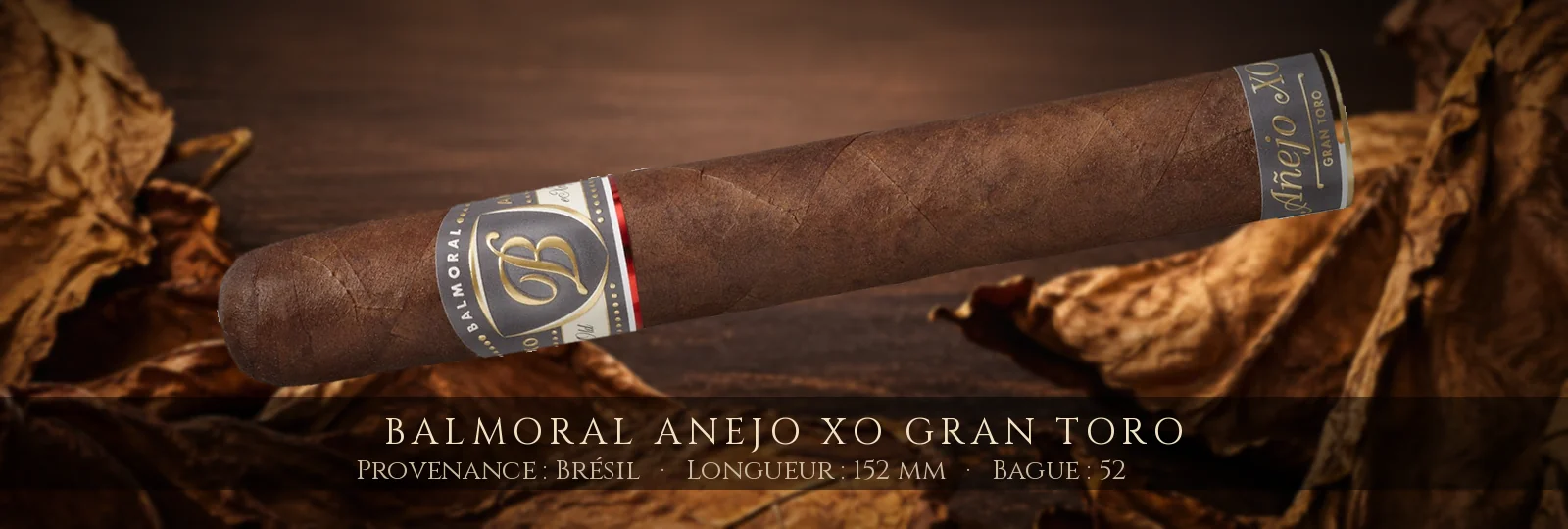 89% match
Balmoral
Balmoral Anejo XO Gran Toro8 – 12.5 €
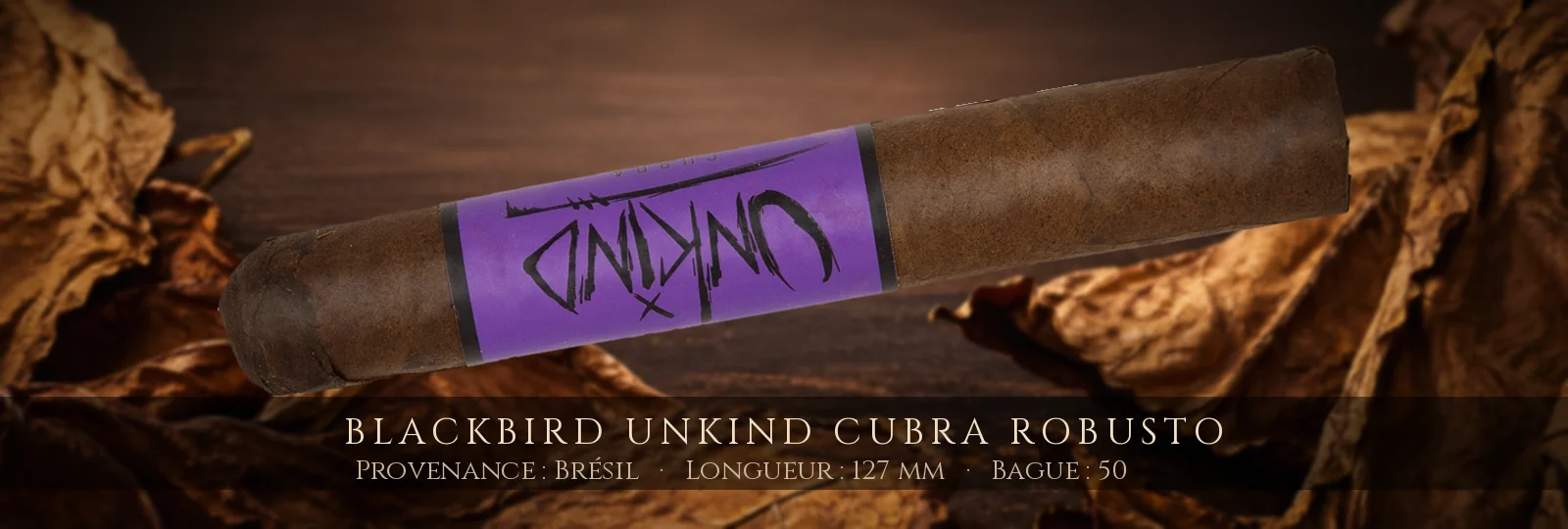 85% match
Blackbird
Blackbird Unkind Cubra Robusto7 – 11 €
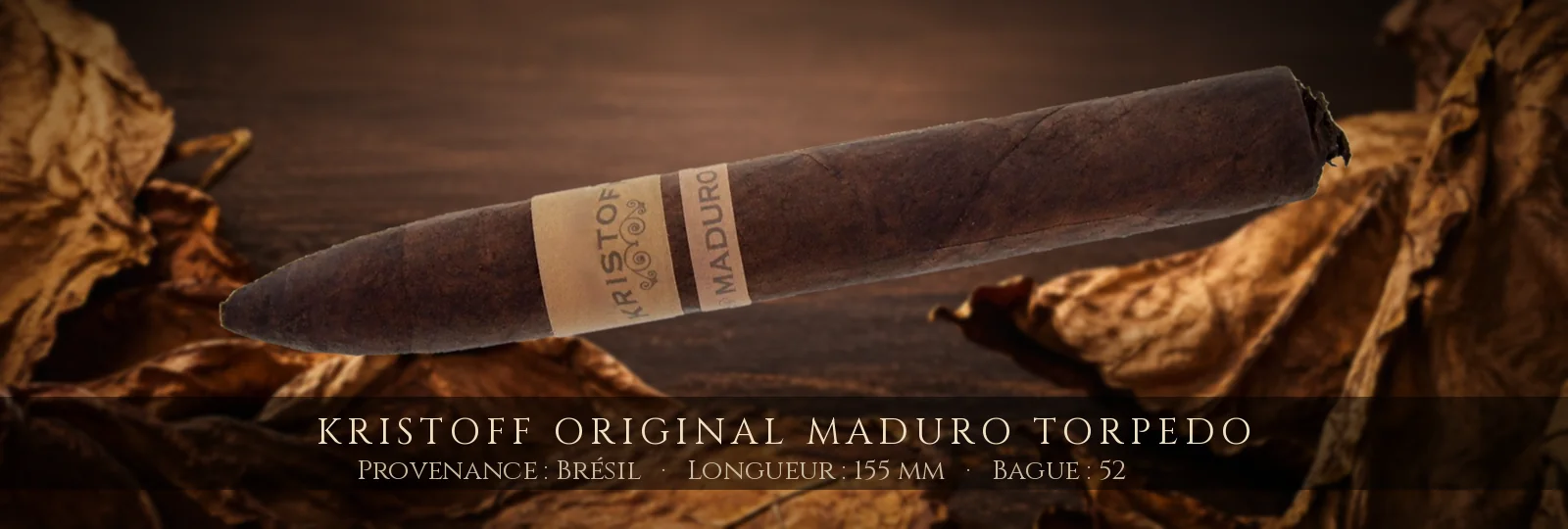 83% match
Kristoff
Kristoff Original Maduro Torpedo8 – 12.5 €
 83% match
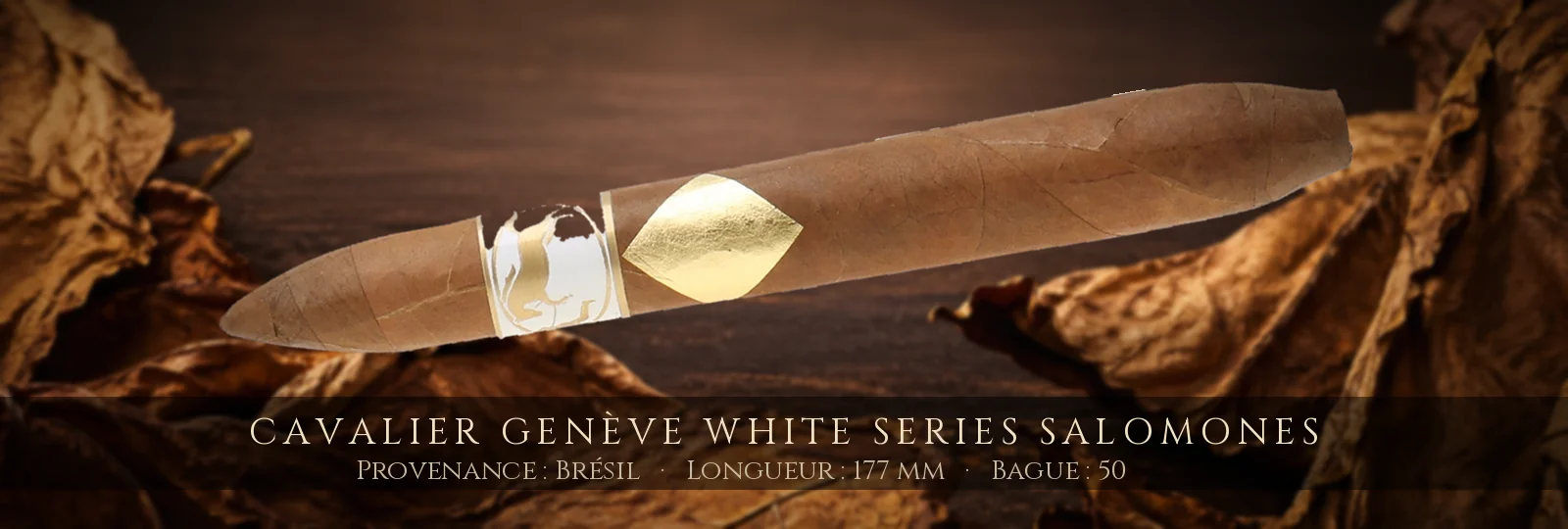
Cavalier Genève
Cavalier Genève White Series Salomones12 – 19 €
Tasting notes
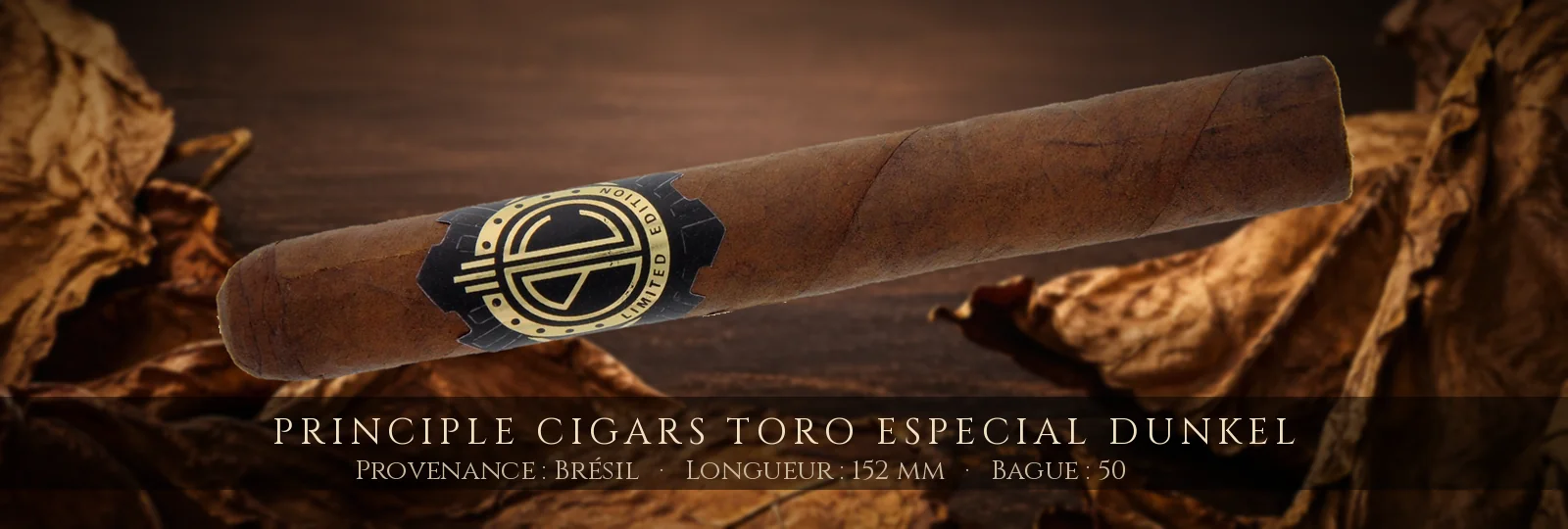
The Principle Cigars Toro Especial dunkel, measuring 152.4 mm (6") in length and 19.8 mm (¾") in diameter, presents itself with a brown wrapper from Brazil. The texture of the wrapper is impeccable, showcasing excellent quality craftsmanship. Its feel in hand is pleasant, and the solid construction makes this cigar an aesthetic piece to admire.
From the very first contact, the pre-light aromas reveal an intriguing complexity, dominated by notes of sweet syrup and delicate hay. Upon lighting, the experience deepens with the emergence of intense coffee, rich earth, and hints of fragrant wood. These initial impressions promise a very interesting aromatic development.
On the palate, this vitola evolves harmoniously through its three thirds. The first offers a festival of flavors, from roasted coffee to nut, while accompanying these delights with spicy touches of pepper and subtle echoes of cocoa. In the second third, the strength of the aromas intensifies with a particularly rich orchestration of flavors, evoking both toast and earth. Surprisingly, a gentle evolution brings light citrus fruit notes in the final third, adding a new dimension to the tasting.
The finish reveals a mouthfeel that lingers, combining a lovely salivation with a pleasant texture. Although the balance between strength and sweetness leans slightly towards complexity, the sensation of bitterness is subtle and well-integrated. This cigar stands out for its sophisticated profile, deserving special attention with each draw.
The ideal moment to savor this cigar would be at the end of the day, during a quiet evening, paired with a light red wine such as a Pinot Noir, which will complement the woody and coffee nuances of this exceptional toro.
Community impressions
Celebrated by enthusiasts, this cigar stands out for its intense aromas and complex structure. Connoisseurs appreciate its richness and balance, despite a draw that can sometimes be challenging. This cigar is recommended for experienced smokers seeking a refined olfactory experience.
How to taste: Principle Cigars Toro Especial dunkel
▼
1.The Visual Examination
The Principle Cigars Toro Especial dunkel features a very dark Brazilian wrapper, almost black, typical of an intense maduro. However, its construction is deemed mediocre, which may influence the tasting experience. With a length of 152.4 mm (6") and a ring gauge of 50, this toro format offers a pleasant grip.
The visual aspect of the cigar provides an initial glimpse into its aromatic potential and quality. A well-crafted and uniform wrapper suggests a successful tasting experience, while mediocre construction may lead to draw defects.
2.Pre-light Aromas
Before lighting, aromas of coffee, nuts, and damp earth emerge, offering an initial promise of rich flavors. These dominant notes blend with hints of pepper, wood, and chocolate, showcasing the complexity of the blend.
Pre-light aromas allow for the discovery of the raw nature of the tobacco, revealing scents that will transform during the burn. This step helps anticipate the forthcoming flavors and adjust one's focus during the tasting.
3.The Cut
Executed with a standard straight cut just below the cap, the cut of the Principle Cigars Toro Especial dunkel must be precise to ensure an optimal draw. A careful cut facilitates access to the filler and prepares the cigar for lighting.
A well-executed cut is essential for ensuring an even burn and a consistent draw. A poorly made cut can detract from the tasting experience, leading to uneven burns and altered aromas.
4.Cold Draw
The cold draw of the cigar proves to be somewhat difficult, which may indicate a higher tobacco density or a construction flaw. This step is crucial for assessing the ease of consumption from the outset.
A difficult draw may require a re-cut or manipulation to enhance the smoking experience. Identifying this issue at this stage helps avoid discomfort during the tasting.
5.Lighting
During lighting, it is important to ensure that the foot of the cigar is evenly toasted for balanced combustion. This process prepares the cigar to release its aromas without unpleasant surprises.
Uneven lighting can lead to canoeing, where some parts burn faster than others. Ensuring a good lighting prevents difficult corrections during the tasting.
6.First Third
The first third of the cigar is characterized by a mild strength, with dominant aromas of coffee and nuts fully expressing themselves. The smoke volume is medium, allowing for the richness of the flavors to be savored.
This first third is crucial for absorbing the initial aromas and assessing the overall balance of the cigar. Smoking slowly at this stage helps fully appreciate the evolution of the flavors.
7.Second Third
As the cigar progresses, secondary aromas of pepper, wood, and chocolate begin to manifest. The balance between these notes and the dominant aromas remains good, enriching the tasting experience.
The second third is often when the complexity of the blend flourishes. Observing this evolution helps to better understand the character of the cigar and its aromatic potential.
8.The Finish
The color of the ash is light gray, and the finish is characterized by a rich sensation, slight bitterness, and subtle salivation. The finish is appreciable, leaving a lasting impression.
The color and retention of the ash can indicate the quality of the tobacco and the skill of the craftsmanship. A long and pleasant finish confirms the complexity of the blend and the care taken in drying the leaves.
Community tasting notes
Have you smoked this cigar?
Be the first to share your tasting. Your review helps thousands of enthusiasts make the right choice.
✍️ Write a tasting note