
Ratings & reviews
Editorial score
Community score
Be the first
Organoleptic profile
Strength
medium
Balance
medium
Draw
tight
Intensity
subtle
- Bouquet
- simple
- Finish
- short
- Ash color
- gray
- Smoke output
- medium
Aroma profile
Dominant aromas
Secondary aromas
Similar cigars
Based on strength, aromas, format and wrapper origin — for a comparable tasting experience.
 78% match
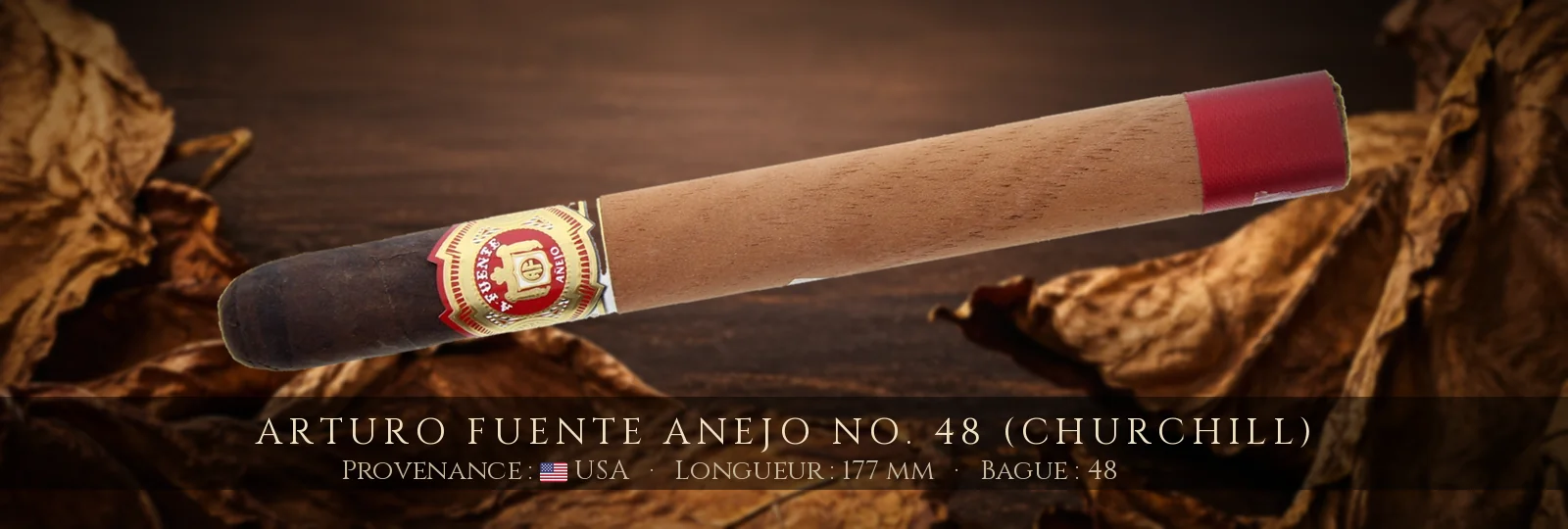
Arturo Fuente
Arturo Fuente Anejo No. 48 (Churchill)20 – 32 €
Tasting notes
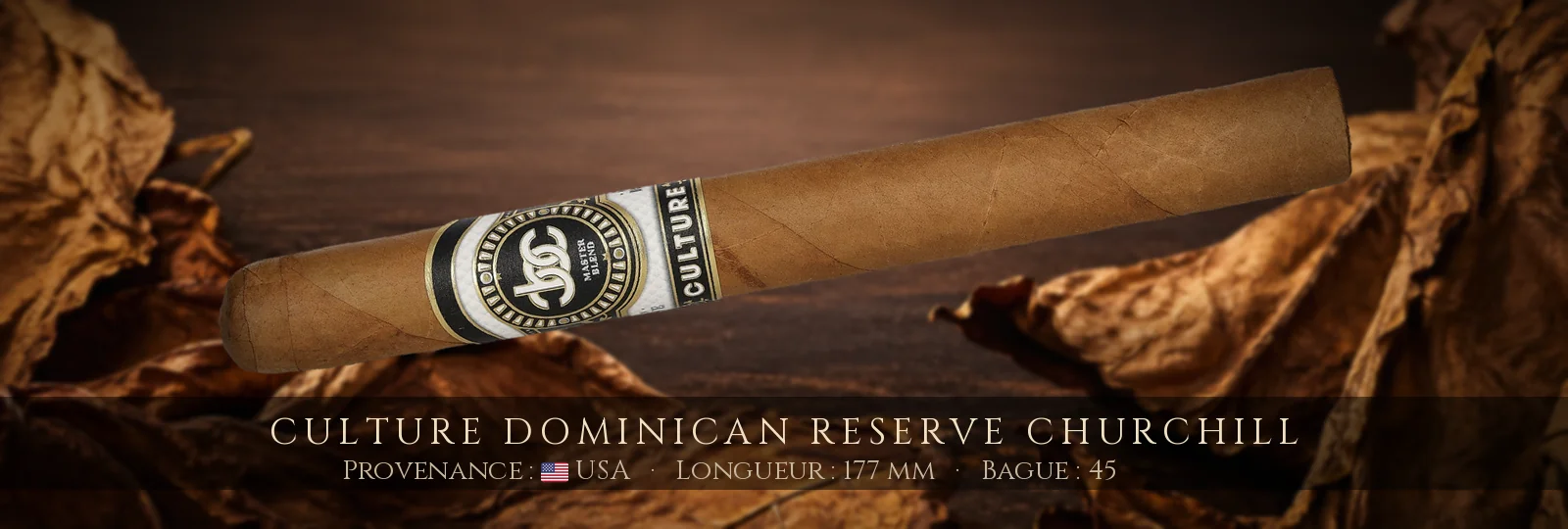
The Culture Dominican Reserve Churchill presents itself with a beautiful wrapper showcasing warm reflections. Its wrapper, sourced from the United States, offers a pleasant texture to the touch, revealing the care taken in its construction. The overall presentation exudes elegance, promising a quality experience in this elongated format of 177.8 mm (7").
Upon cutting, the first olfactory contact unveils pre-light aromas of nuts and a subtle hint of wood, evoking warm moments. Upon lighting, these notes are enhanced by a slight spiciness, providing an intriguing sensory experience. The evolution with each draw remains rather discreet, however, without dazzling with its diversity.
On the palate, the cigar unfolds slowly, with a round texture and a homogeneous evolution through the three thirds. Flavors of chocolate and coffee enrich this subtle blend, but the aromatic profile remains too simple, failing to evoke enough emotion to leave a memorable imprint.
The mouthfeel is marked by a pleasant lightness, although the finish remains short. The balance between strength and sweetness oscillates in a medium range, making the contrast less pronounced. This cigar could appeal with its accessible approach, but it lacks the soul that would truly make a difference.
Ideal for a casual tasting, this cigar is suited for a quiet evening, enjoyed with a glass of whisky or red wine for a soft and warm gustatory harmony.
Community impressions
Praised by enthusiasts, this cigar Culture Dominican Reserve Churchill stands out for its limited complexity, offering flavors of nuts, wood, and spice. While some aficionados note a great roundness, many believe that its high price does not reflect the richness expected for an unforgettable experience.
How to taste: Culture Dominican Reserve Churchill
▼
1.Visual Observation
The Culture Dominican Reserve Churchill features a medium brown wrapper and a Churchill format with a length of 177.8 mm (7") and a ring gauge of 45. However, the construction is deemed poor, which may indicate potential defects.
A thorough inspection allows for the identification of anomalies that could impact the tasting experience, such as uneven burn or unsatisfactory draw.
2.Pre-light Aromas
During the pre-light aromas assessment, one can detect notes of nuts and wood, accompanied by spicy hints of pepper. These scents reveal the aromatic potential of the tobacco before lighting.
This step is crucial for anticipating the nuances that will develop during the tasting, thus preparing for a more focused flavor experience.
3.The Cut
The standard cut under the cap is an essential gesture that must be performed cleanly to ensure an easy draw. Care should be taken to achieve a clean cut that does not tear the wrapper.
A flawless cut is key to avoiding draw issues that could detract from the burn and overall cigar experience.
4.Cold Draw
During the cold draw, it is noted that the draw is difficult, which may indicate excessive compaction of the tobacco or construction defects. This warrants particular attention.
This preventive test helps identify issues that may require correction, such as a re-cut, thus ensuring a more enjoyable smoking experience.
5.Lighting
Lighting should be done carefully to avoid an insufficiently toasted foot. Particular attention to how the cigar is ignited is essential for an even burn.
Proper lighting prevents canoes and ensures a consistent burn, thereby reducing the risk of discomfort during the tasting.
6.First Third
In the first third, the strength is perceived as medium, and the dominant aromas of nuts, wood, and pepper are clearly present. The smoke volume is also medium, allowing for a good expression of flavors.
This aromatic-rich beginning is crucial for setting the tone of the tasting and allows for measuring the intensity of the blend as it progresses.
7.Second Third
At this stage, the evolution of secondary aromas, such as chocolate and coffee, begins to emerge, adding a new dimension to the flavor profile. The balance remains medium but interesting.
This stage is when the complexity of the blend develops, enriching the tasting experience and revealing the more subtle aspects of the cigar.
8.The Finish
The color of the ash is gray, and the finish is characterized by a pleasant lightness, even though it is not very persistent. The finish is short, inviting another puff.
Observing the ash retention and the finish provides insights into the quality of the tobacco and the preparation of the leaves, while signaling the conclusion of a tasting that may encourage a repeat experience.
Community tasting notes
Have you smoked this cigar?
Be the first to share your tasting. Your review helps thousands of enthusiasts make the right choice.
✍️ Write a tasting note