
Ratings & reviews
Editorial score
Community score
Be the first
Organoleptic profile
Strength
medium
Balance
medium
Draw
tight
Intensity
subtle
- Bouquet
- simple
- Finish
- medium
- Ash color
- gray
- Smoke output
- medium
Aroma profile
Dominant aromas
Secondary aromas
Similar cigars
Based on strength, aromas, format and wrapper origin — for a comparable tasting experience.
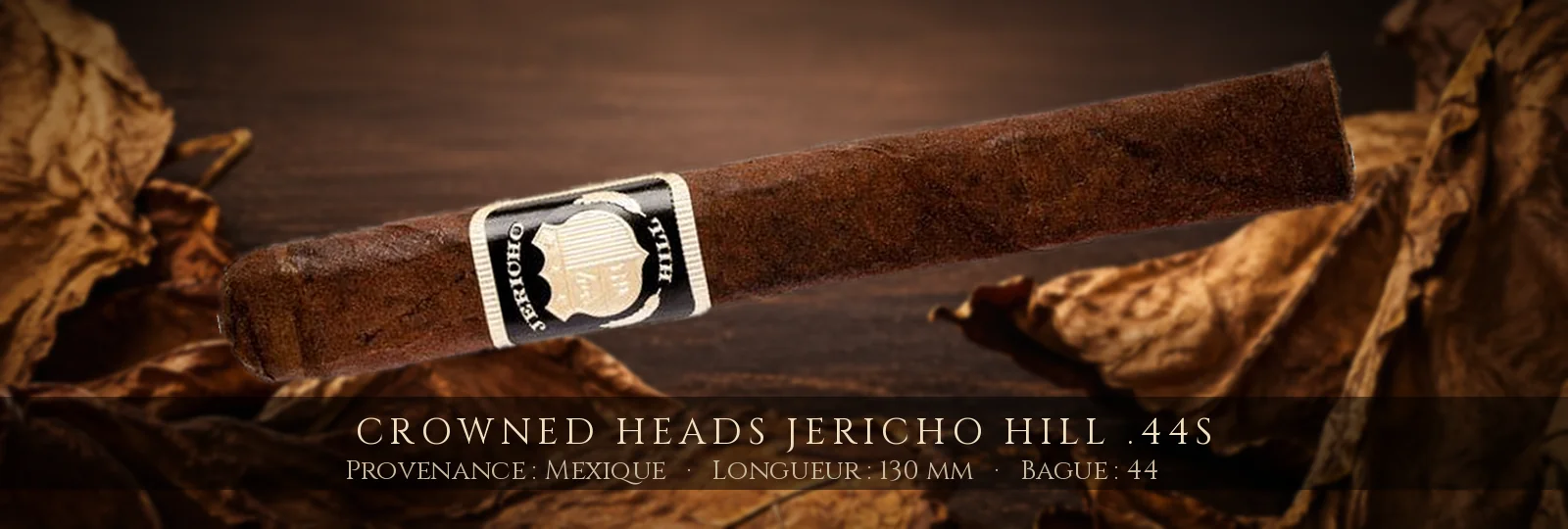 72% match
Crowned Heads
Crowned Heads Jericho Hill .44S5 – 8 €
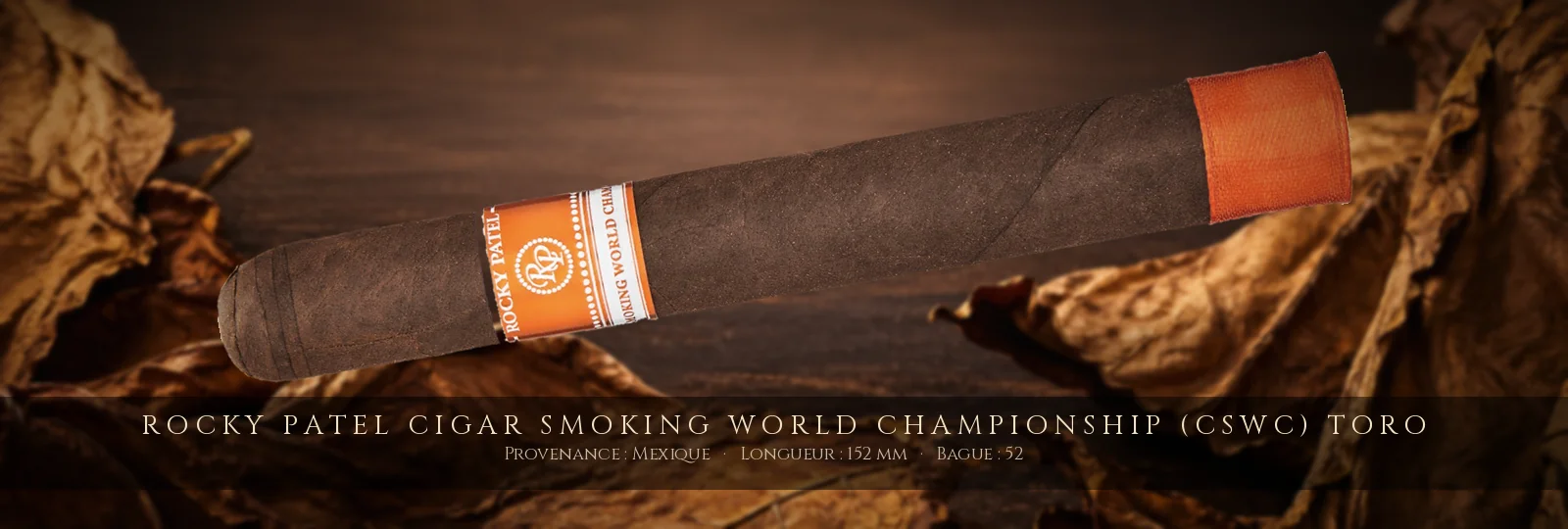 72% match
Rocky Patel
Rocky Patel Cigar Smoking World Championship (CSWC) Toro10 – 15 €
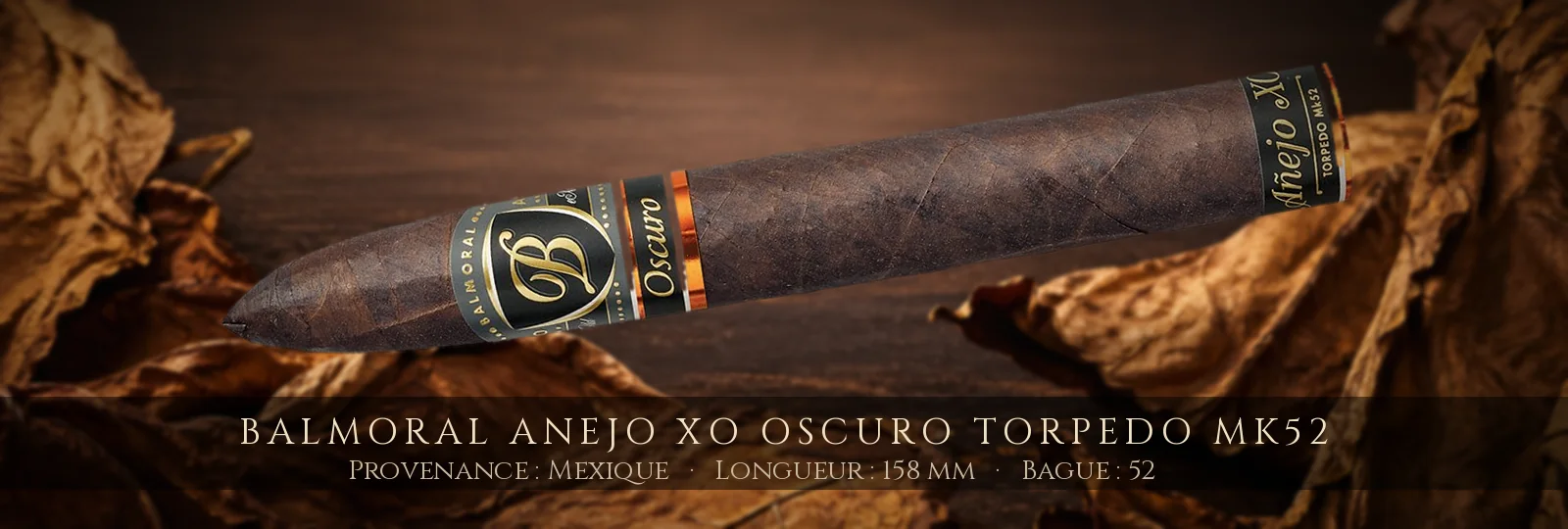 71% match
Balmoral
Balmoral Anejo XO Oscuro Torpedo MK527.5 – 11.5 €
Tasting notes
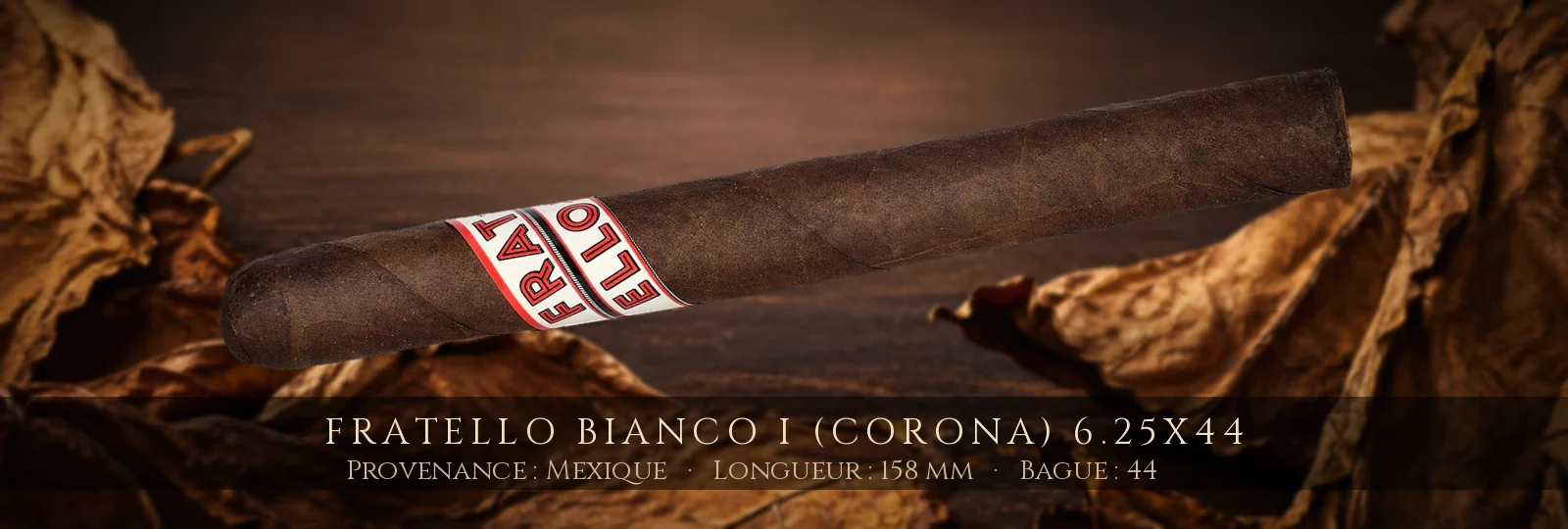
The Fratello Bianco I, a corona measuring 158.8 mm (6¼") in length and 17.5 mm (¾") in diameter, immediately attracts attention with its rich wrapper sourced from Mexico. Its presentation is meticulous, although construction issues may mar the visual appreciation. Upon handling, you will notice the pleasant texture of its wrapper, but imperfections may arise in the burn, revealing areas for improvement in the manufacturing process.
From the first light, the initial olfactory contact reveals an intriguing complexity. A subtle blend of black pepper greets you, followed by a softer imprint of resins. As it develops, these flavors harmonize with notes of mocha, providing an interesting balance for the beginning of the experience. However, difficulties in the draw and certain combustion issues may affect your enjoyment.
On the palate, the first third opens with powerful and refined aromas that promise a beautiful progression. The development seems slow, oscillating between floral and woody notes, particularly hints of cedar and vanilla in the mid-smoke. Nevertheless, construction problems can interfere with the richness of the flavors, making each tasting a bit of a lottery.
The finish offers a pleasant mouthfeel, blending a slight sweetness with the finish, creating an interesting contrast with the moderate strength that this cigar presents. Despite its flaws, the Fratello Bianco I manages to maintain a passable balance between strength and complexity, although it remains improvable. This could make it unique if the construction issues are resolved.
For an optimal tasting experience, consider enjoying this cigar in the afternoon with a light coffee or tea, thus fostering a beautiful synergy between the aromas of Mexico and the warmth of a comforting beverage.
Community impressions
Enthusiasts of this cigar highlight the initial promise it offers, with pre-light aromas of black pepper and rosin, but lament the construction issues that detract from the experience. They note that despite some pleasant moments, the difficulty of the draw and the uneven burn make this smoke unpredictable and sometimes unsatisfactory.
How to taste: Fratello Bianco I (Corona) 6.25x44
▼
1.Visual Examination
The Fratello Bianco I (Corona) features a dark brown wrapper, characteristic of maduro cigars. Its construction, although described as poor, should not detract from its Dalias format, with a length of 158.8 mm (6¼") and a ring gauge of 44, promising a classic smoking experience.
The visual examination allows for assessing the quality of craftsmanship and anticipating potential surprises during tasting. A good first look gives an idea of the level of care taken in the cigar's construction.
2.Pre-light Aromas
Before lighting, aromas of pepper, raisin, and coffee emerge, revealing a complex auditory profile. These notes often reflect the richness of the Mexican tobaccos used.
This step allows one to become familiar with the raw aromas of the tobacco, preparing the senses for the transformation the cigar will undergo once lit. Anticipating these flavors is crucial for fully appreciating the aromatic evolution.
3.The Cut
Performing a standard straight cut is essential for a Dalias-type cigar. A clean cut helps preserve the integrity of the wrapper while providing sufficient opening for the draw.
A good cut ensures a consistent draw, a necessary condition for even burn. It also prevents potential defects that could arise during tasting.
4.Cold Draw
The cold draw of the Fratello Bianco I (Corona) proves difficult, which may indicate internal construction issues or tobacco accumulation. This warrants attention before lighting.
Testing the cold draw allows for identifying any manufacturing defects. A restricted draw will be an indicator of discomfort during tasting and may require adjustments before lighting.
5.Lighting
Lighting should be done carefully to avoid an unevenly charred foot that would lead to an irregular burn. A good lighting brings uniform heat to the tobacco leaves.
A rigorous lighting technique prevents canoeing, ensuring a smooth smoking experience. This initial commitment sets the stage for optimal tasting.
6.First Third
During the first third, the cigar reveals dominant aromas of pepper, raisin, and coffee. The strength is perceived as medium, as is the volume of smoke produced.
This initial phase is crucial as it provides insight into the sensations to come. Understanding the strength and dominant aromas from the start helps to better appreciate the complexity of the blend.
7.Second Third
In this segment, secondary aromas of cedar and vanilla begin to unveil, enriching the experience while maintaining a medium balance.
Observing the aromatic evolutions in the second third allows for appreciating the depth of the blend. This is the moment when complexity reveals itself, highlighting the blender's mastery.
8.The Finish
The gray ash indicates a proper burn, while the finish offers a slight residual sweetness and moderate salivation, with a medium finish.
Analyzing the finish allows one to judge the quality of the blend and the drying of the leaves. A good finish is a sign of complexity and care in the cigar's creation.
Community tasting notes
Have you smoked this cigar?
Be the first to share your tasting. Your review helps thousands of enthusiasts make the right choice.
✍️ Write a tasting note