
Ecuador · Robusto
9 – 15 €
8 – 15 CHF
Ratings & reviews
Editorial score
Community score
Be the first
Organoleptic profile
Strength
medium
Balance
poor
Draw
tight
Intensity
closed
- Bouquet
- simple
- Finish
- short
- Ash color
- gray
- Smoke output
- light
Aroma profile
Dominant aromas
Secondary aromas
Similar cigars
Based on strength, aromas, format and wrapper origin — for a comparable tasting experience.
 84% match
T. Sonthi
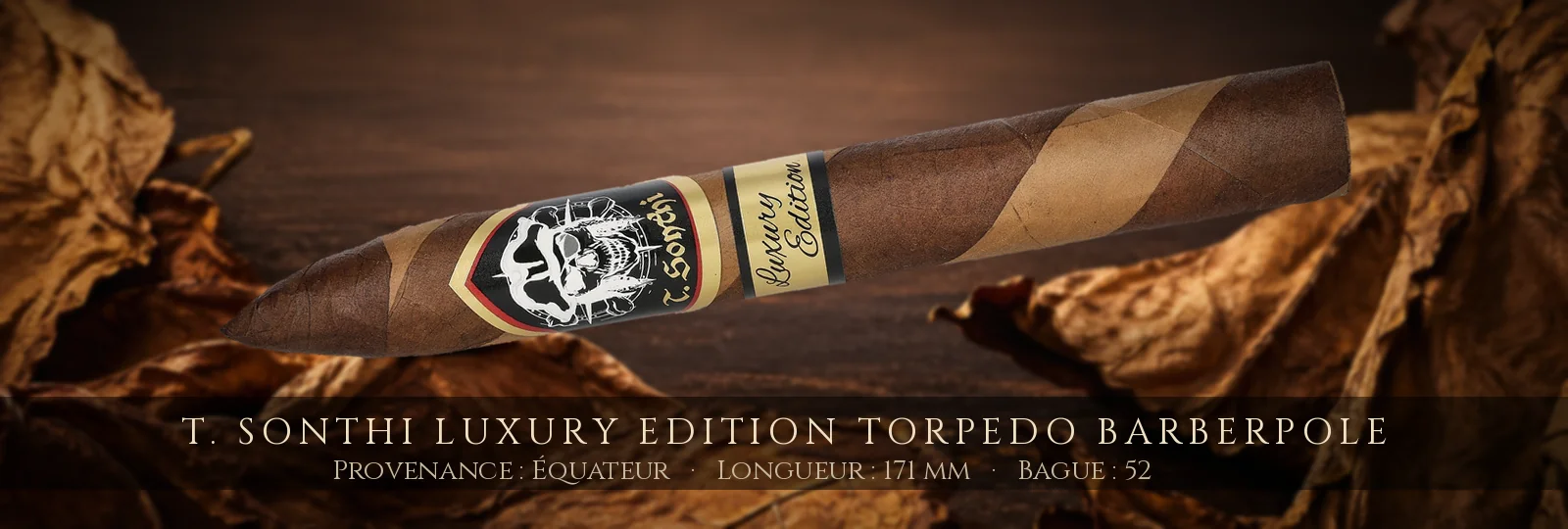
T. Sonthi Luxury Edition Torpedo Barberpole11 – 18 €
 83% match
Reposado
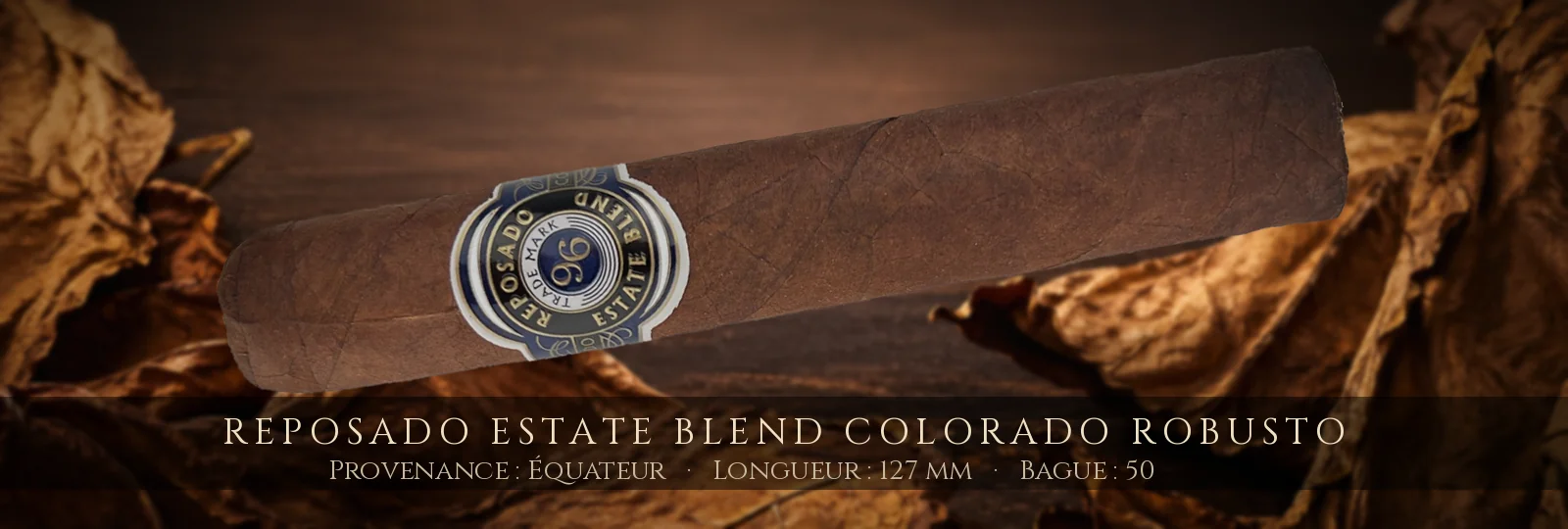
Reposado Estate Blend Colorado Robusto1.5 – 3 €
 82% match
Leon Jimenes
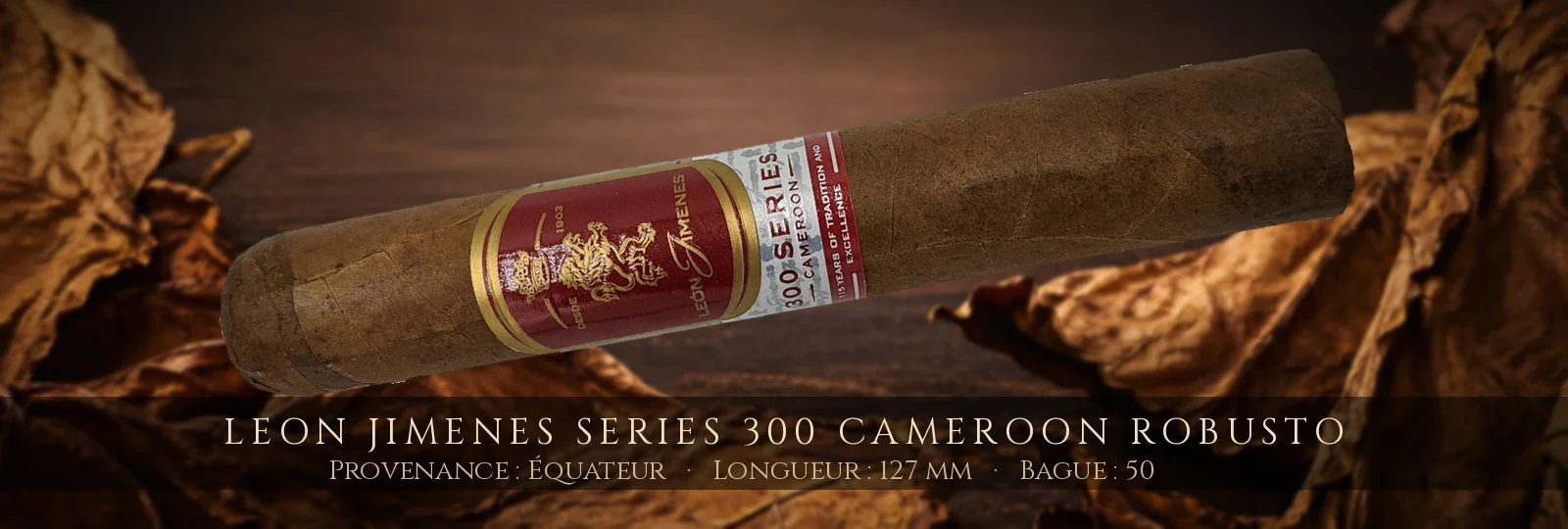
Leon Jimenes Series 300 Cameroon Robusto8 – 14 €
Tasting notes
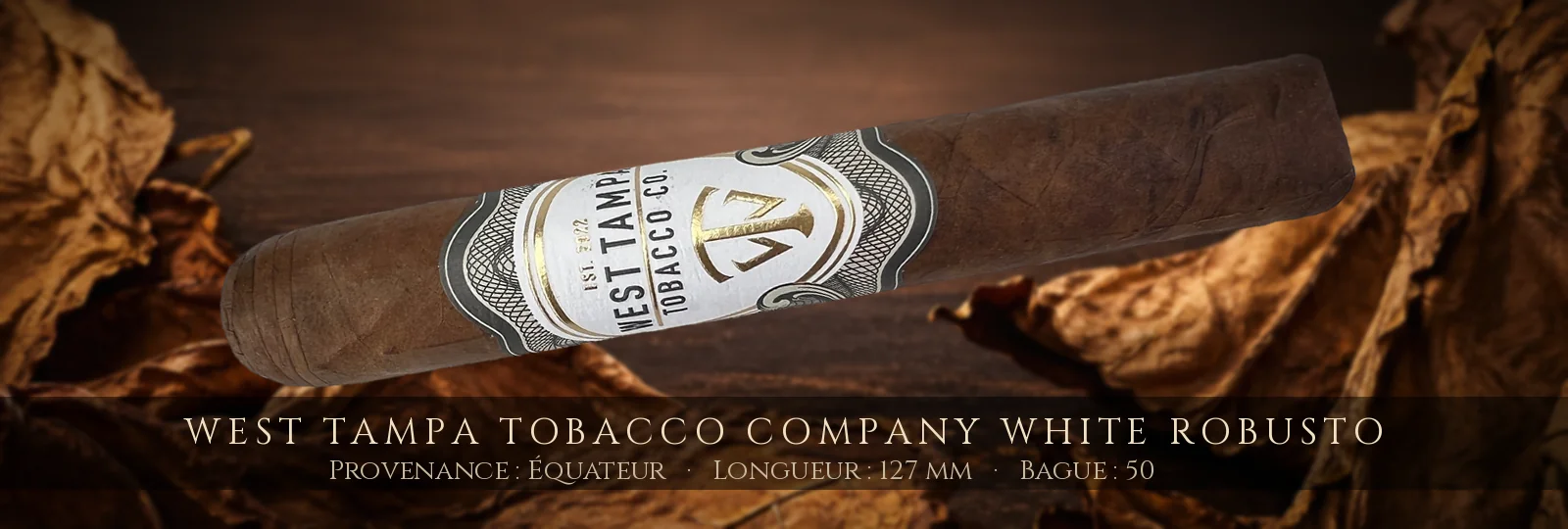
The West Tampa Tobacco Company White Robusto presents itself in an elegant format of 127 mm (5") in length and a diameter of 19.8 mm (¾"). Its Ecuadorian wrapper reveals a silky texture, where the appearance of the wrapper shines with a slight oily sheen. The overall presentation, featuring a contemporary band design, is certainly striking.
Upon first contact, the pre-light aromas unveil notes of wood, earth, and pepper. Upon lighting, a surge of pepper manifests, followed by more subtle nuances of toasted bread and coffee. However, this evolution seems uninviting and suggests a mixed experience ahead.
On the palate, the first third is marked by a persistent bitterness, with wood and earth aromas being dominant. The texture presents as challenging, with a weakness in smoke volume, creating an impression of lacking substance. In the second third, flavors of leather and toasted bread emerge, but without truly supporting a satisfying aromatic progression. The final third amplifies this sense of disappointment, struggling to stabilize and offer coherence despite a slight return of more pleasant aromas.
The finish reveals itself to be short with a residual bitterness—the cigar fails to provide a satisfying balance between strength and sweetness. The blend, although promising on paper, encounters difficulties with construction and draw, leaving this smoking experience with a bitter aftertaste.
Ideal for smoking during a quiet moment of the day, this cigar could be paired with a warm beverage such as black tea. However, it is advisable to smoke it after a good meal to compensate for the shortcomings of its performance.
Community impressions
Enthusiasts of this cigar highlight its beautiful visual presentation, but are disappointed by its performance on the palate. The initially promising pre-light aromas quickly transform into a rather uninviting smoking experience, characterized by a difficult draw and a lingering bitterness. A cigar that fails to deliver on its promises.
How to taste: West Tampa Tobacco Company White Robusto
▼
1.The Visual Examination
The West Tampa Tobacco Company White Robusto features a light brown to golden wrapper, silky to the touch, indicating a certain quality of the tobacco. However, the construction is noted as poor, an aspect that could affect the tasting experience. With dimensions of 127 mm (5") in length and a ring gauge of 50, it offers a robust and pleasant format in hand.
Observing the appearance and construction allows for an initial assessment of the potential quality of the cigar — poor construction can influence the burn and draw.
2.Pre-Light Aromas
Before lighting, the cold draw reveals aromas of wood and damp earth, accompanied by peppery notes. These olfactory elements provide a first glimpse of the flavors that will develop during the tasting.
This step is crucial for anticipating the aromas to come — variations may occur with heat, and this observation helps prepare for the different phases of the tasting.
3.The Cut
A standard straight cut under the cap is essential for an optimal draw. Be sure to make a clean cut to maintain the integrity of the wrapper and avoid any tearing.
A well-executed cut is critical for the proper functioning of the cigar — it ensures a consistent draw, which is particularly important given the difficulty noted during the cold draw.
4.Cold Draw
During this step, the cold draw proves difficult, which could foreshadow problematic combustion. This suggests that defects may affect the smoking experience.
A difficult draw can lead to discomfort during the tasting, making it essential to pay particular attention — it may be necessary to adjust the cut to improve airflow.
5.Lighting
When lighting, it is crucial to ensure that the foot is properly toasted to avoid uneven burning. Take the time to light it evenly to initiate the combustion process.
A good lighting prevents canoes and imbalances during the tasting, allowing one to enjoy the cigar without having to correct combustion issues later.
6.First Third
In the first third, the cigar offers a medium strength with dominant aromas of wood, damp earth, and pepper. The smoke volume is low, which may influence the intensity of the flavors.
This first contact with the cigar is crucial for assessing the strength and initial aromas, setting the tone for the rest of the tasting.
7.Second Third
As we progress into this third, secondary aromas such as coffee, toasted bread, and leather begin to manifest. However, the balance remains mediocre, which could limit the complexity of the flavors.
This phase is essential for appreciating the evolution of the aromas — a lack of balance may indicate uneven quality in the tobacco blend.
8.The Finish
At the end of the tasting, the gray ash indicates uneven combustion, with a residual bitterness but no real finish. The length is short, leaving an ephemeral impression.
The finish is decisive for judging the overall quality of the cigar — a lack of persistence may reveal a lack of aromatic depth and low complexity.
Community tasting notes
Have you smoked this cigar?
Be the first to share your tasting. Your review helps thousands of enthusiasts make the right choice.
✍️ Write a tasting note