
Ratings & reviews
Editorial score
Community score
Be the first
Organoleptic profile
Strength
medium
Balance
good
Draw
slightly tight
Intensity
expressive
- Bouquet
- complex
- Finish
- medium
- Ash color
- gray
- Smoke output
- medium
Aroma profile
Dominant aromas
Secondary aromas
Similar cigars
Based on strength, aromas, format and wrapper origin — for a comparable tasting experience.
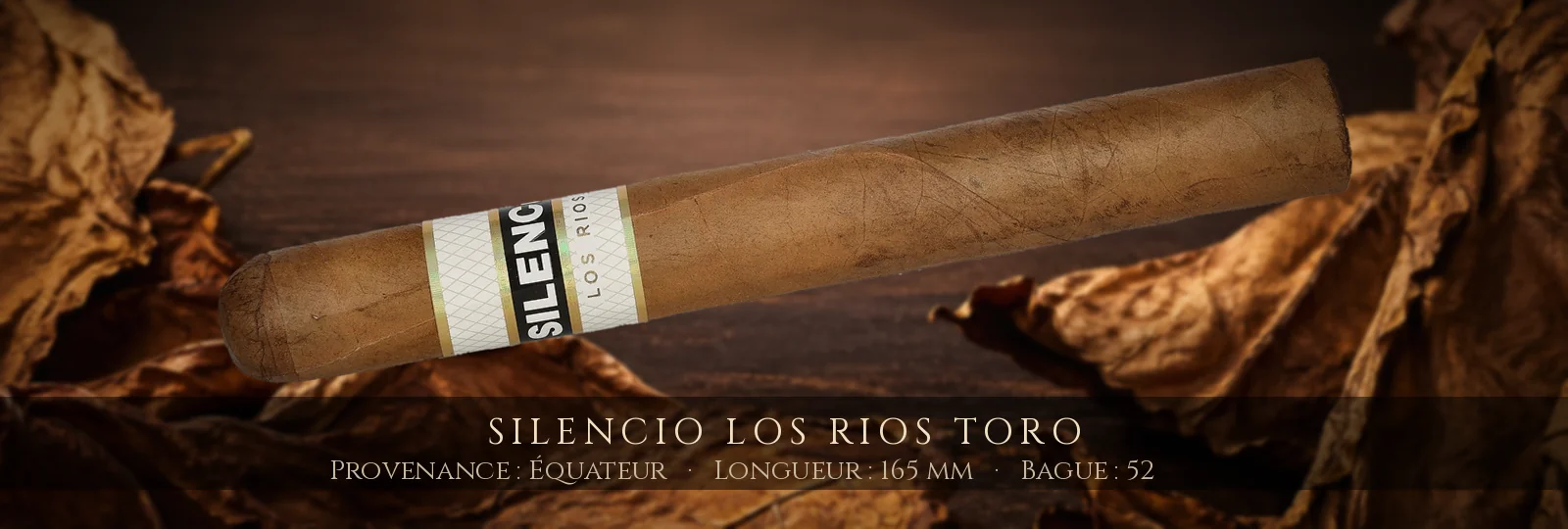
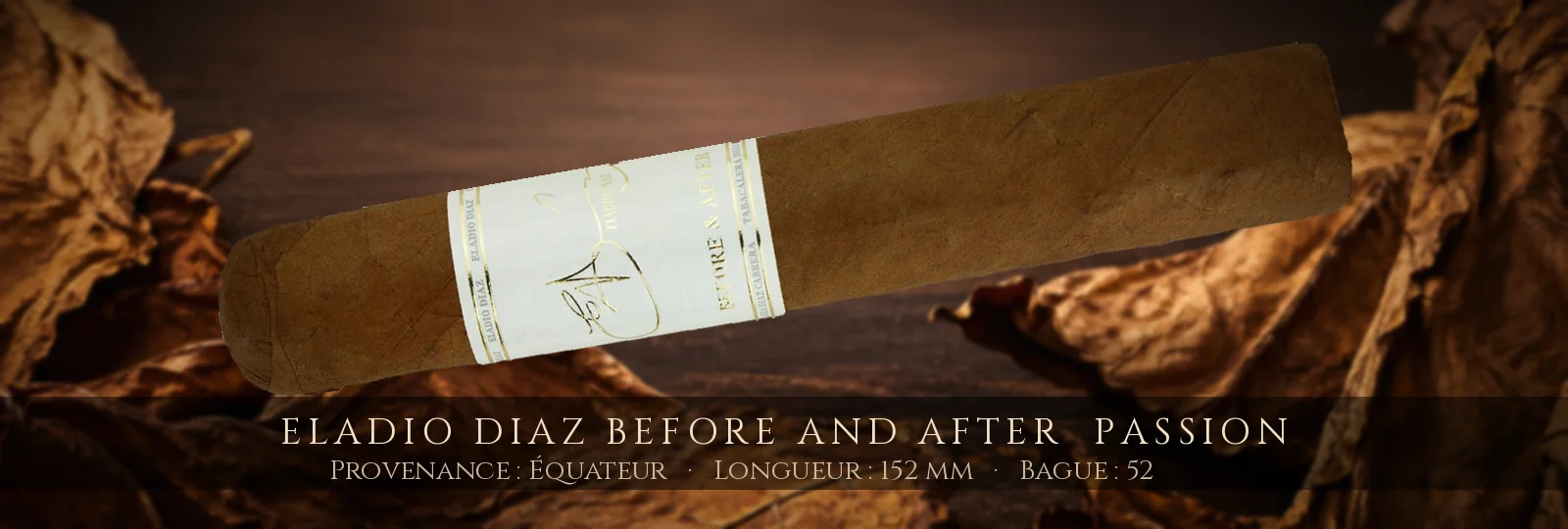 79% match
Eladio Diaz
Eladio Diaz Before and After Passion10 – 17 €
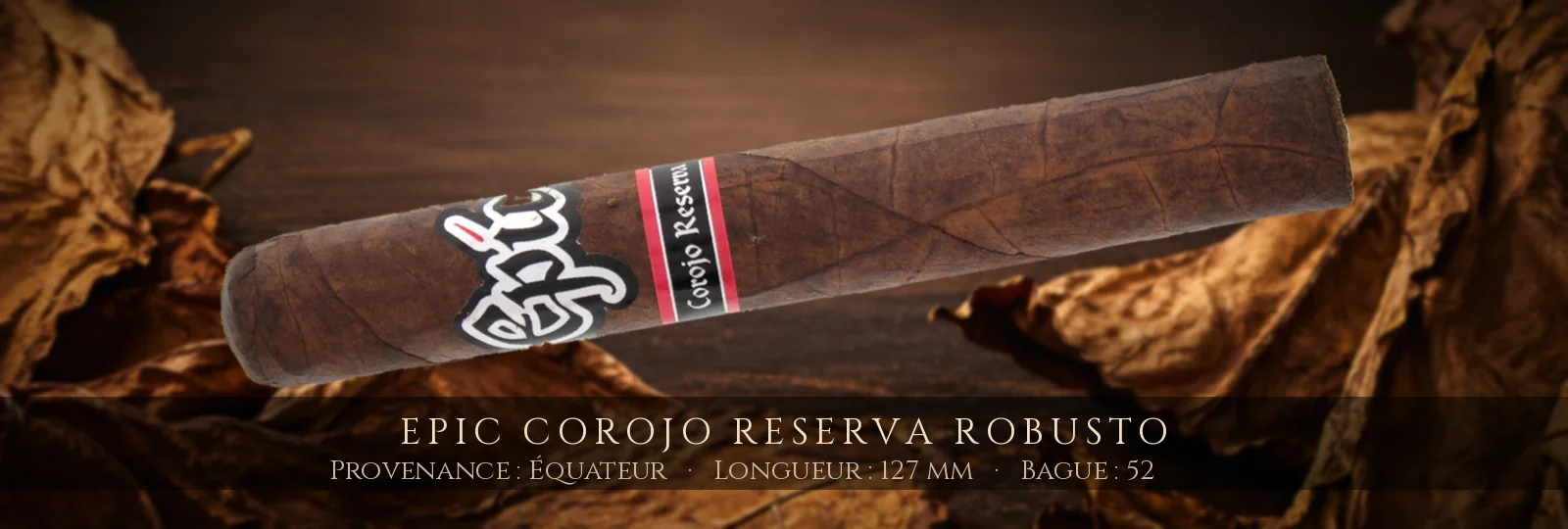
 77% match
Centenario
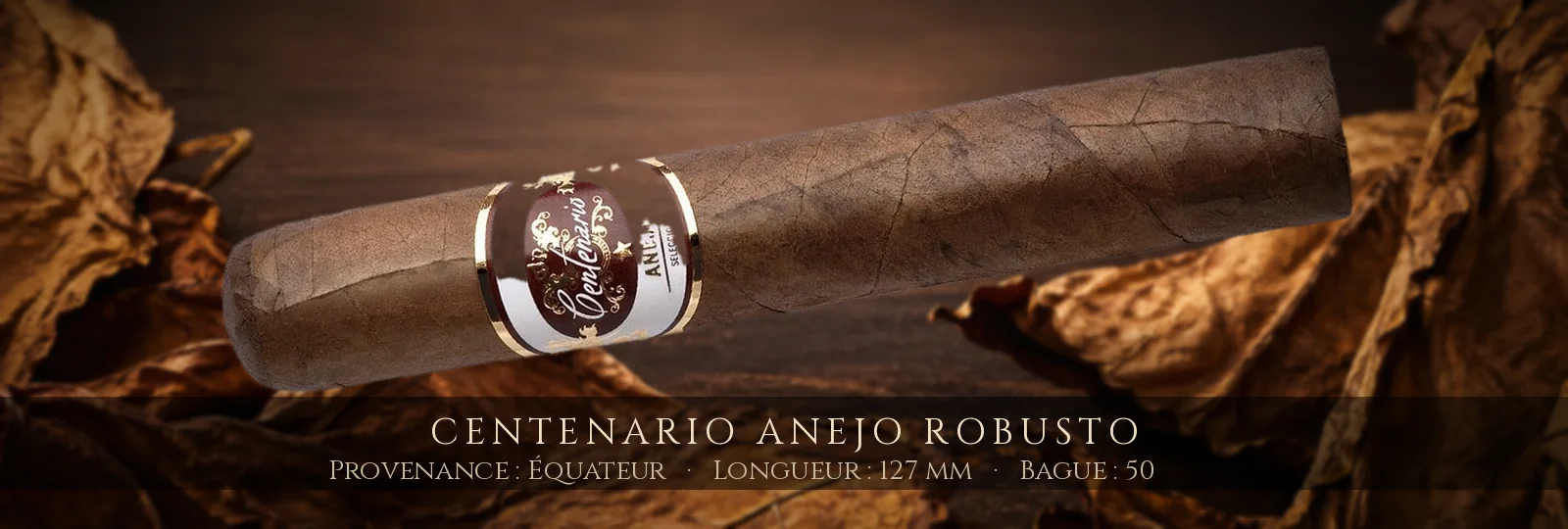
Centenario Anejo Robusto4 – 6.5 €
Tasting notes
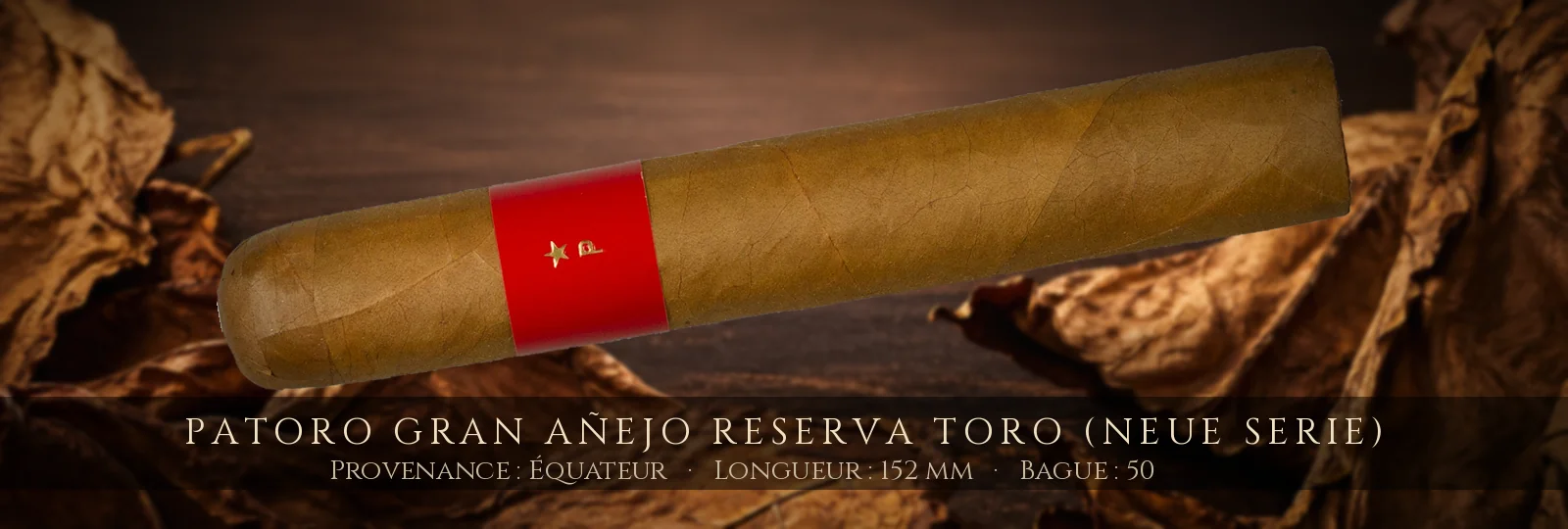
The Patoro Gran Añejo Reserva Toro is a meticulously presented cigar, featuring a wrapper of bright colorado brown, free from notable imperfections. Upon handling, its texture is pleasant, and the red band adorning the cigar gives it an aesthetic appearance while remaining elegant and understated.
Upon lighting, the first olfactory contact is intriguing. The pre-light aromas reveal notes of cocoa and earth, while its cold scent presents a certain herbal freshness. The initial entry is marked by a lack of immediate flavors, but after a few draws, the aromas begin to emerge, giving way to richer and deeper nuances derived from the notes detected during pre-light.
On the palate, the development of flavors is gradual and flavorful, particularly in the second and third thirds. The flavors of cocoa, earth, and grass blend together, creating a pleasing harmony. However, a slightly difficult draw can sometimes hinder the experience, but with a bit of patience and warmth, the cigar blossoms to reveal its aromatic complexity.
The finish is characterized by a sensation of earthy persistence and a slight sweetness that lingers in the mouth. The length is medium, but the balance between strength and sweetness is noted, although some may agree that its price might not be justified by the pleasure it provides. This cigar possesses its own character, which makes it stand out among others in its category.
For optimal tasting, it is recommended to enjoy it at dusk, accompanied by a slightly sweet black tea, which will pleasantly complement the nuances of the Patoro Gran Añejo Reserva Toro.
Community impressions
Cigar enthusiasts highlight the complexity of its pre-light aromas, although they lament difficulties with the draw and a balance that can sometimes be unconvincing. The flavors develop further after the first third, but the price seems excessive compared to the overall experience.
How to taste: Patoro Gran Añejo Reserva Toro (Nouvelle Série)
▼
1.Visual Examination
The Patoro Gran Añejo Reserva Toro features a natural wrapper, light brown to golden, offering a silky texture to the touch. Its mediocre construction is noticeable, and its dimensions of 152.4 mm (6") in length with a ring gauge of 50 give this cigar a Robusto Gordo format that catches the eye.
The visual examination allows for an initial assessment of the craftsmanship quality as well as the cigar's aromatic potential. A beautiful appearance and good construction are often indicators of a richer tasting experience.
2.Pre-light Aromas
Before lighting the cigar, it is crucial to sense the aromas it emits. For the Patoro, notes of chocolate, damp earth, and herbal nuances are perceived, creating a promising first impression.
This step helps familiarize oneself with the fundamental aromas of the tobacco in its raw state. The olfactory impressions at this stage guide the anticipation of the flavors that will develop during the tasting.
3.Cutting
The standard cut under the cap is essential to ensure an easy draw. Choosing a straight cut ensures that the cigar opens correctly and that the aromas can fully express themselves.
A successful cut is crucial for a consistent draw. Mistakes at this stage could compromise the experience, leading to uneven burn and unpleasant heat buildup.
4.Cold Draw
During the cold draw, it is noted that it is somewhat difficult, suggesting a slight resistance to airflow. This test reveals whether the cigar is well-aerated for optimal combustion.
A difficult draw can lead to discomfort during the tasting. If it is blocked, a re-cut may be necessary to avoid unpleasant surprises during smoking.
5.Lighting
Lighting must be done carefully to ensure an even burn. It is important to toast the foot well to avoid canoes.
Taking the time to light the cigar correctly prevents issues with asymmetrical combustion that could detract from the tasting experience. A good start paves the way for a harmonious experience.
6.First Third
In the first third, the strength is medium, with dominant aromas of chocolate and damp earth standing out. The smoke volume is also medium, providing a pleasant sensation in the mouth.
This first contact with intense flavors allows one to become familiar with the aromatic profile and to gauge the impact of the cigar's strength, thus preparing the taster for the nuances to come.
7.Second Third
As one progresses into the second third, secondary aromas of leather and dried fruits begin to emerge, adding an additional dimension to the experience. The overall balance remains good.
This moment of revelation of secondary aromas allows for an appreciation of the complexity of the blend. A good balance at this stage is crucial for maintaining the smoker's interest and satisfaction.
8.The Finish
At the end of the tasting, the gray ash indicates a proper burn. The finish presents an earthy persistence, accompanied by a slight residual sweetness that lingers in the mouth.
The color of the ash and the finish are indicators of the quality of the tobacco and the fermentation process. A pleasant and persistent finish is often a sign of a well-balanced and well-crafted cigar.
Community tasting notes
Have you smoked this cigar?
Be the first to share your tasting. Your review helps thousands of enthusiasts make the right choice.
✍️ Write a tasting note