
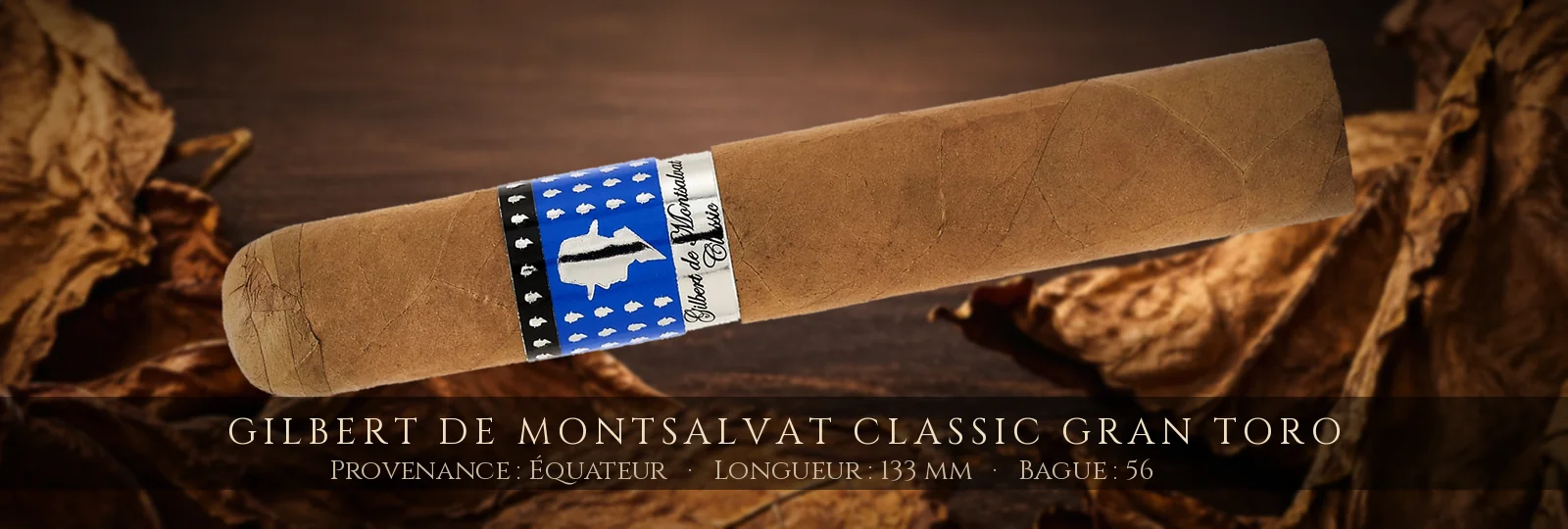
Dominican Republic · Gran Toro
6 – 9.5 €
5.5 – 9 CHF
Ratings & reviews
Editorial score
Community score
Be the first
Organoleptic profile
Strength
mild
Balance
good
Draw
easy
Intensity
subtle
- Bouquet
- simple
- Finish
- medium
- Ash color
- gray
- Smoke output
- medium
Aroma profile
Dominant aromas
Secondary aromas
Similar cigars
Based on strength, aromas, format and wrapper origin — for a comparable tasting experience.
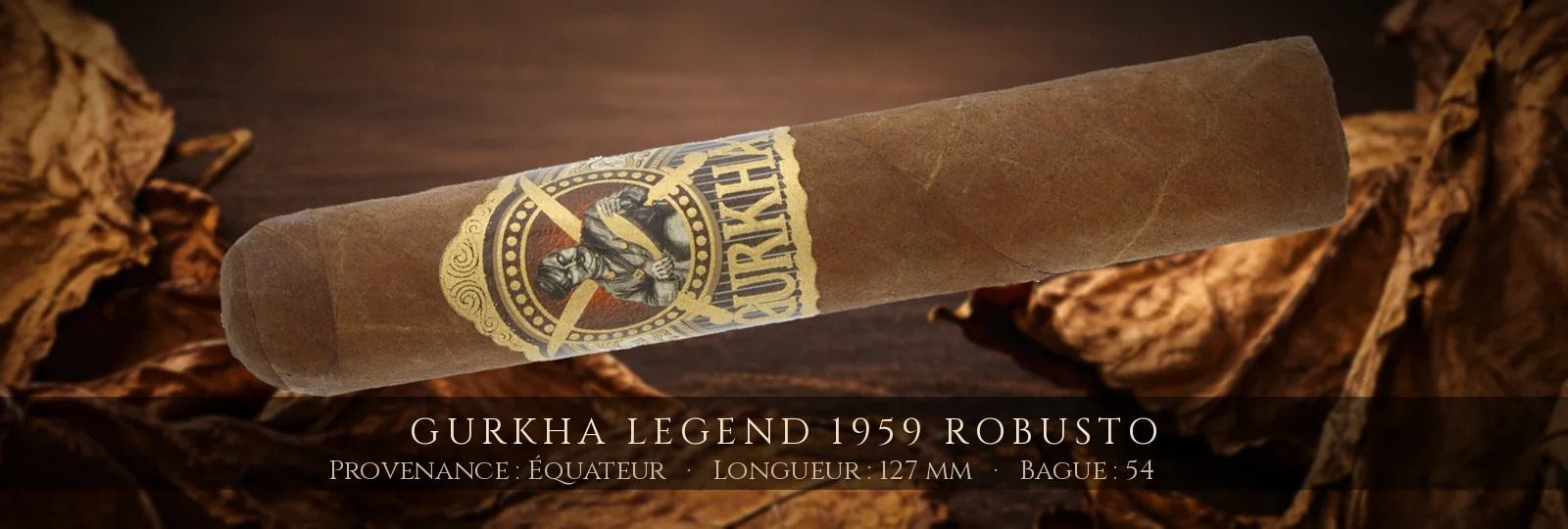 76% match
Gurkha
Gurkha Legend 1959 Robusto6 – 9.5 €
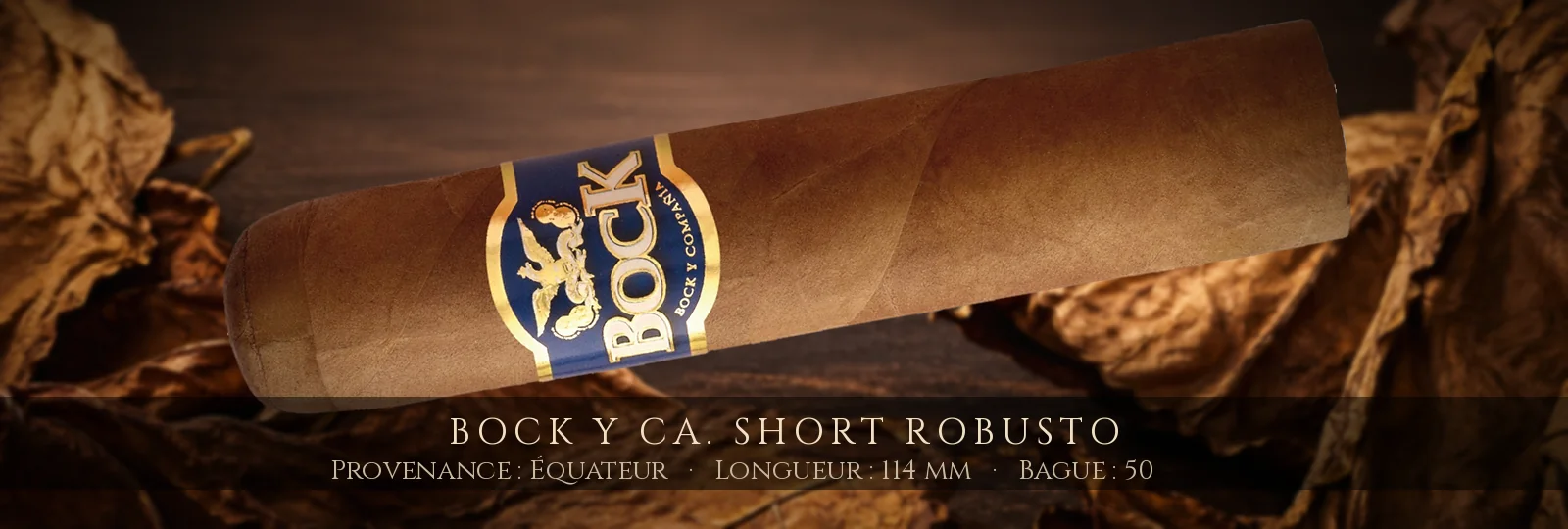 74% match
Bock y Ca.
Bock y Ca. Short Robusto5.5 – 8.5 €
 74% match
PDR
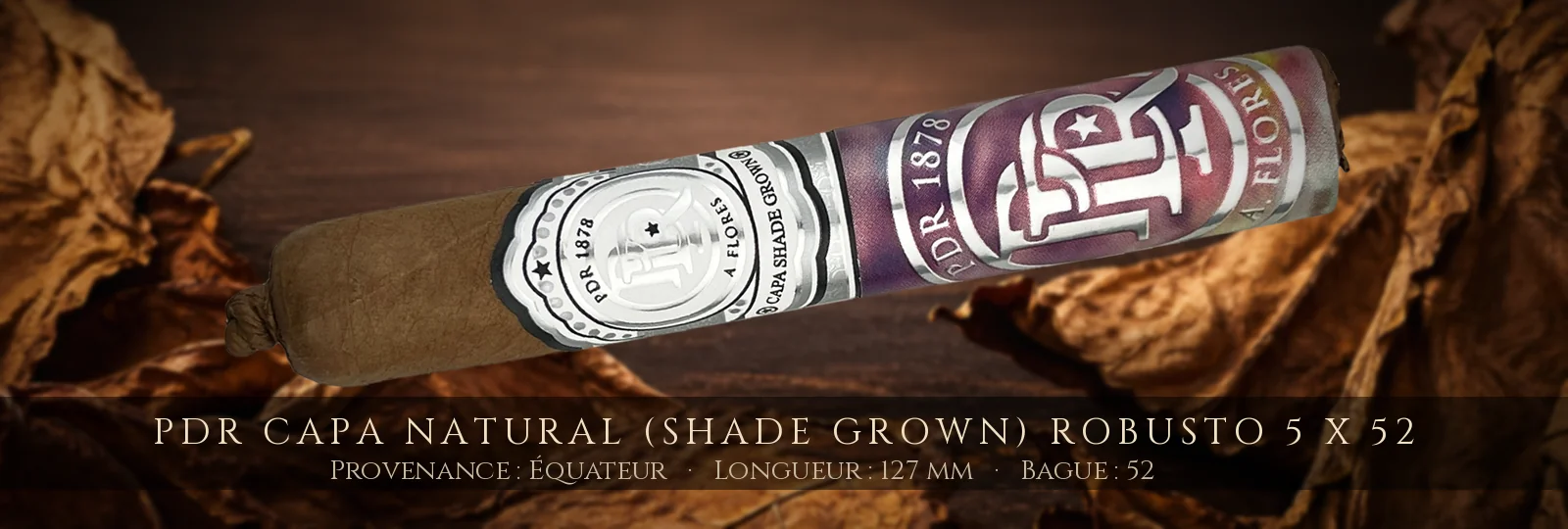
PDR Capa Natural (Shade Grown) Robusto 5 x 527 – 10.5 €
Tasting notes
The Gilbert de Montsalvat Classic Gran Toro, although slightly shorter for a Gran Toro at 133.4 mm (5¼"), catches the eye with its beautiful light Connecticut wrapper. The presentation is meticulous, showcasing its smooth and flawless appearance. The tasting session inevitably begins with a promise of silky texture and a beautiful profile, living up to expectations for a cigar of this caliber.
At first olfactory contact, a kalt geruch of cedar, nuts, and apples awakens the senses. Upon lighting, these pre-light aromas are complemented by notes of chocolate and vanilla, hinting at a complexity that seems to be confirmed. However, the overall experience remains rather subtle, with a simple bouquet that does not blossom as hoped, creating a first impression that is both reassuring and slightly dull.
On the palate, the aromatic development reveals itself to be primarily linear across the three thirds. Initially, the cigar unfolds cedar flavors intertwined with a slight bitterness. Gradually, hints of herbs and chocolate emerge, although richness and complexity remain limited. The nuances of apple and nuts strengthen, adding a touch of variety but without much commitment. The smoke is creamy, making for an easy draw that captures attention without fully captivating it.
The finish is marked by a slightly dry sensation, yet pleasantly enjoyable with a medium length. A good balance between sweetness and strength is achieved, although it fails to capture a lasting intrigue. This transforms the cigar into a pleasant but not memorable option for moments of relaxation, where the goal is to enjoy a simple experience.
For an ideal moment, consider savoring this Gran Toro during a peaceful afternoon with a refreshing drink like mate or a light cola, highlighting the sweet notes that will make it a pleasant and tranquil companion without heaviness.
Community impressions
Enthusiasts of this cigar highlight its smoothness and simplicity. Despite a solid construction, the experience is deemed limited in aromatic complexity, which may disappoint palates seeking depth. Nonetheless, it can appeal to casual smokers or beginners looking for a gentle and accessible approach.
How to taste: Gilbert de Montsalvat Classic Gran Toro
▼
1.The Visual Examination
The Gilbert de Montsalvat Classic Gran Toro presents itself with a natural, light brown to golden wrapper, offering a silky texture to the touch. Its construction is very beautiful, and its straight format, measuring 133.4 mm (5¼") in length and 56 in diameter, emphasizes its robustness.
This initial observation allows for the assessment of the craftsmanship quality and anticipates the potential aromatic richness; a well-made wrapper and a beautiful color are often indicators of a successful tasting experience.
2.Pre-light Aromatics
Before lighting, the cigar emits inviting aromas of cedar, nuts, and a hint of apple. These fresh notes are complemented by herbal and chocolate nuances that can be perceived.
This preliminary step reveals the nature of the tobacco and allows for the anticipation of the flavors that will develop during the tasting, enriching the experience by awakening the senses.
3.The Cut
The standard cut under the cap is essential for the Gran Toro format. Performed cleanly, it should ensure optimal access to the filler while preserving the integrity of the wrapper.
A well-executed cut ensures an easy draw and prevents the inconveniences of irregular burn, thus conditioning the smooth progression of the tasting.
4.Cold Draw
The cold draw of this cigar proves to be easy, allowing for adequate airflow without resistance. This fluidity is a good indicator of the quality of construction.
This step is crucial for detecting any potential defects before lighting; a pleasant draw foreshadows a seamless smoking experience.
5.Lighting
During lighting, it is important to toast the foot of the cigar evenly to avoid any combustion defects. Proper preparation of the foot helps initiate a homogeneous burn.
A careful lighting prevents the risks of canoeing and guarantees a faithful aromatic first impression, essential for fully appreciating the cigar.
6.First Third
In this first third, the mild strength manifests with dominant aromas of cedar, accompanied by a medium volume of smoke that pleasantly fills the mouth.
This initial stage offers a glimpse of the experience to come, allowing one to appreciate the strength and complexity of the flavors before the cigar opens up further.
7.Second Third
As we progress into the second third, secondary aromas of chocolate and vanilla emerge, adding an additional dimension to the tasting while maintaining a good balance.
This aromatic evolution reflects the complexity of the blend, allowing one to appreciate the richness of the flavors while retaining the initial mildness.
8.The Finish
At the end of the tasting, the gray ash testifies to the good quality of the tobacco. The mouthfeel is light and dry, with a persistent taste of cedar that leaves a pleasant imprint.
The quality and retention of the ash, as well as the finish, are key indicators of the complexity and finesse of the blend, concluding the experience in a memorable way.
Community tasting notes
Have you smoked this cigar?
Be the first to share your tasting. Your review helps thousands of enthusiasts make the right choice.
✍️ Write a tasting note