
Dominican Republic · Salomón
11 – 17 €
10 – 16 CHF
Ratings & reviews
Editorial score
Community score
Be the first
Organoleptic profile
Strength
full-bodied
Balance
very good
Draw
perfect
Intensity
expressive
- Bouquet
- complex
- Finish
- medium
- Ash color
- gray
- Smoke output
- generous
Aroma profile
Dominant aromas
Secondary aromas
Similar cigars
Based on strength, aromas, format and wrapper origin — for a comparable tasting experience.
 81% match
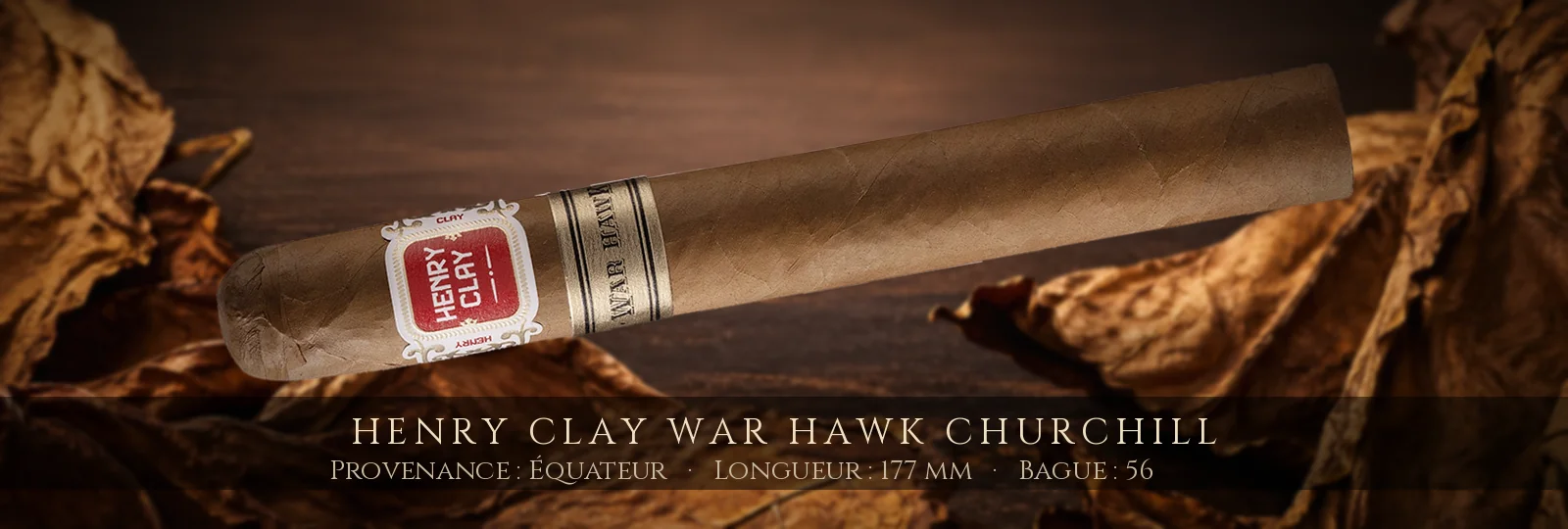
Henry Clay
Henry Clay War Hawk Churchill10 – 16 €
 78% match
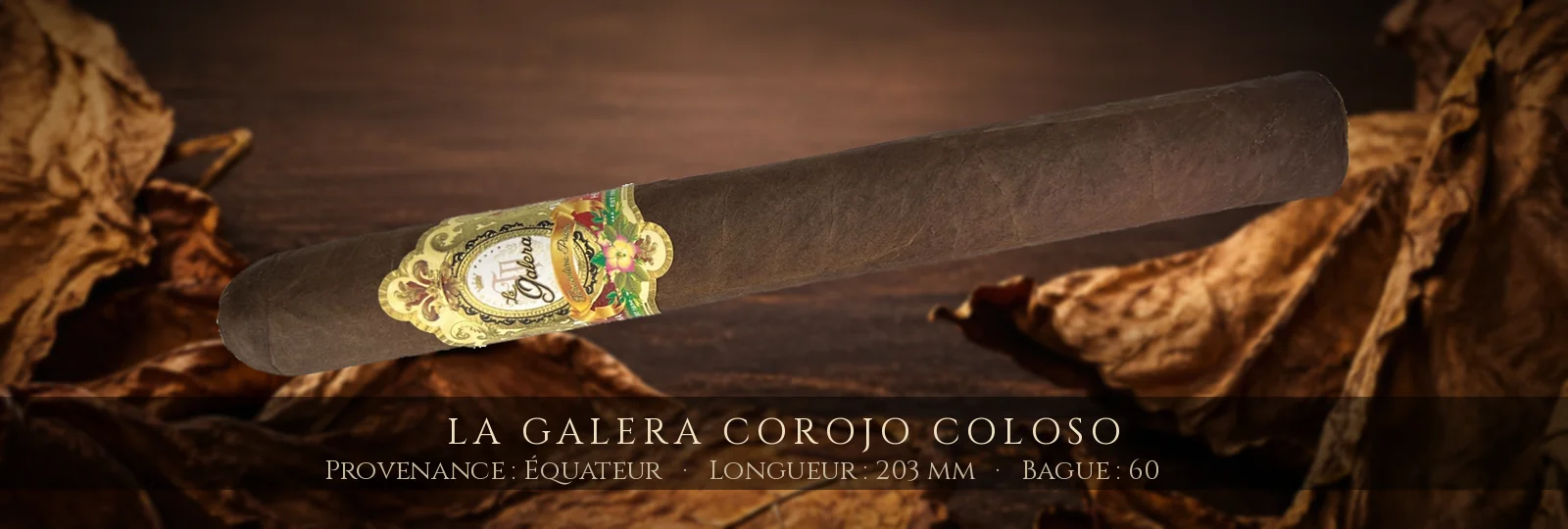
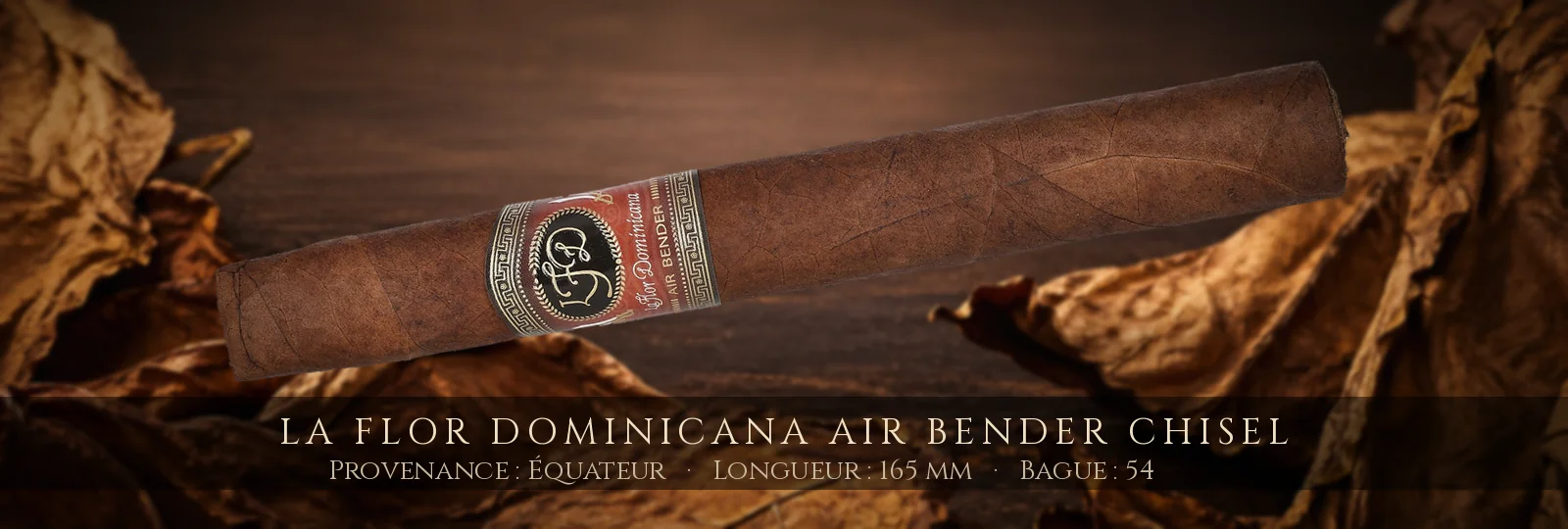
La Flor Dominicana
La Flor Dominicana Air Bender Chisel11 – 17 €
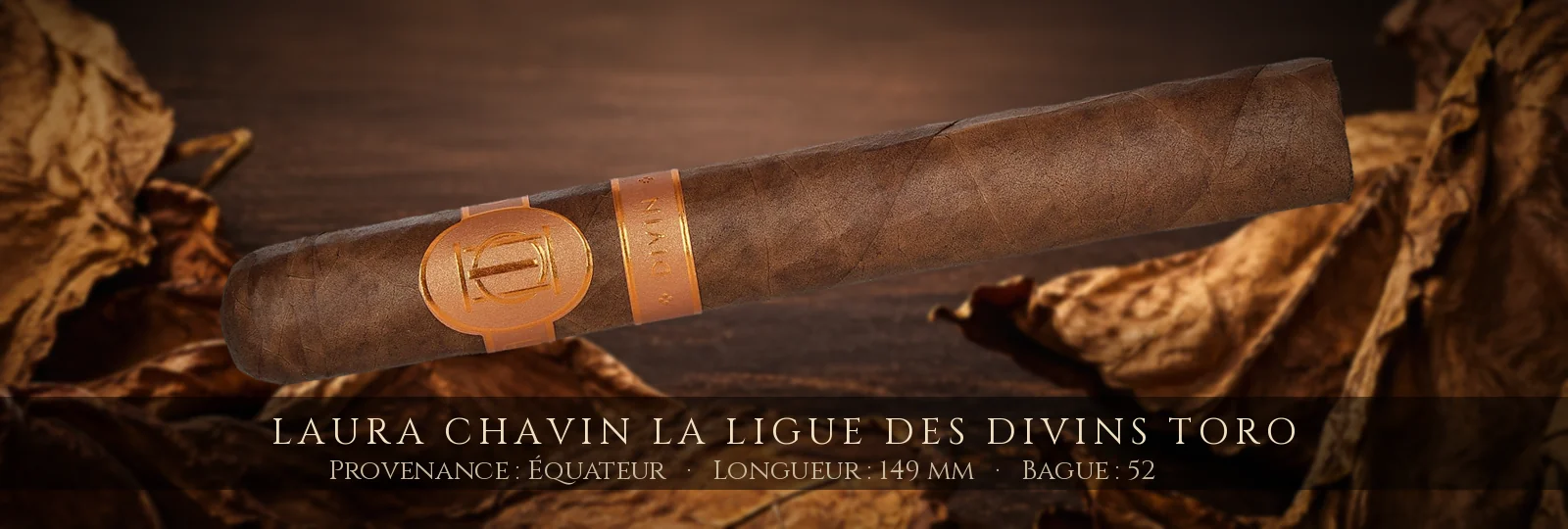 76% match
Laura Chavin
Laura Chavin La Ligue des Divins Toro26 – 40 €
Tasting notes
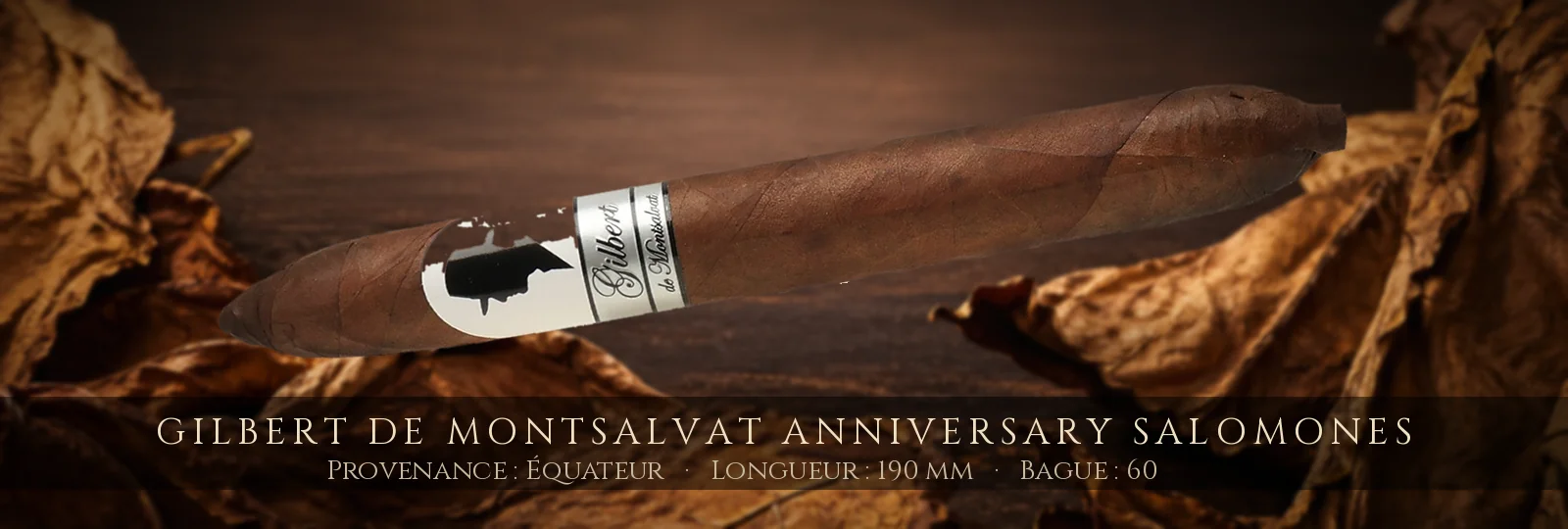
The Gilbert de Montsalvat Anniversary Salomones is a true gem from Ecuador. With its impressive dimensions of 190.5 mm (7½") in length and a diameter of 23.8 mm (⅞"), this cigar catches the eye with its smooth and slightly shiny wrapper. The texture is both silky and oily, promising a truly enjoyable smoking experience.
From the first contact, one is welcomed by a complex bouquet, characterized by spicy and delicately earthy pre-light aromas. After lighting, these notes become even more intense, evolving into accords of coffee and cocoa, perfectly harmonizing with the earthy and leathery base.
On the palate, the development unfolds in three incredibly coherent successive thirds. The initial puffs offer an explosion of spices and leather, followed by a crescendo of chocolate and nuts as the ash forms. Each draw enriches the aromatic profile while maintaining a good balance between strength and sweetness.
The finish is marked by a slightly spicy yet persistent sensation, offering a medium length that invites one to prolong the tasting moment. The overall balance is very good, making this experience unique and memorable.
Ideal for an evening tasting, this cigar pairs perfectly with a glass of peated whisky or a full-bodied espresso, which will enhance its powerful and refined character.
Community impressions
Cigar enthusiasts highlight its impeccable construction and easy draw. With a rich and complex aromatic profile, it easily rivals Cuban cigars of similar strength. Reserved for connoisseurs seeking a sensual and well-balanced experience, it leaves a lasting impression on the palate.
How to taste: Gilbert de Montsalvat Anniversary Salomones
▼
1.Visual Examination
The Gilbert de Montsalvat Anniversary Salomones features a light brown to golden wrapper, silky to the touch. Its construction is very beautiful, and its Salomón format is particularly impressive with a length of 190.5 mm (7½") and a ring gauge of 60.
This initial observation allows for an assessment of the craftsmanship and fermentation of the leaves, essential elements for anticipating the tasting experience.
2.Pre-light Aromas
Before lighting, the cigar exudes rich aromas of damp earth, leather, and spices. These elements create a promising aromatic base for the tasting to come.
This step helps identify the natural aromas of the tobacco, allowing one to adjust expectations and prepare for the transformation of flavors during the burn.
3.The Cut
The standard cut under the cap should be performed cleanly to ensure an optimal draw. A well-executed cut allows easy access to the inside of the cigar without damaging the wrapper.
A clean cut is crucial for ensuring a consistent draw throughout the tasting, thus avoiding irregular burns and subsequent inconveniences.
4.Cold Draw
The cold draw of the Gilbert de Montsalvat is perfect, indicating good construction and adequate filling of the cigar. This step is essential before lighting.
An easy draw anticipates a pleasant tasting experience, while a blocked draw could necessitate unwelcome adjustments after lighting.
5.Lighting
Lighting should be done slowly and evenly, ensuring the foot of the cigar is well toasted to avoid any combustion issues. Special attention is needed to achieve an even ember.
A good lighting prevents canoes and irregularities that could disrupt the tasting experience, thus allowing for a better appreciation of the aromas.
6.First Third
From the first puffs, the strength of the cigar reveals itself with intensity, accompanied by a generous volume of smoke. The dominant aromas of damp earth, leather, and spices take center stage.
It is in this first third that one discovers the initial strength of the cigar, an essential phase for calibrating the smoking pace and savoring the nuances that will develop.
7.Second Third
During this third, the cigar evolves to reveal secondary aromas of chocolate, nuts, and coffee, while maintaining a very good balance. The complexity intensifies, enriching the tasting experience.
This phase is crucial for appreciating the evolution of flavors and the complexity of the blend, allowing for a better grasp of the subtleties that the cigar has to offer.
8.The Finish
At the end of the tasting, the ashes of the cigar are a gray color, indicating good combustion. The finish is slightly spicy and persistent, leaving a medium length in the mouth.
A long finish and good ash retention are indicators of the quality of the tobacco and the drying process, synthesizing the tasting experience into a memorable impression.
Community tasting notes
Have you smoked this cigar?
Be the first to share your tasting. Your review helps thousands of enthusiasts make the right choice.
✍️ Write a tasting note