
Ratings & reviews
Editorial score
Community score
Be the first
Organoleptic profile
Strength
medium
Balance
good
Draw
slightly tight
Intensity
expressive
- Bouquet
- complex
- Finish
- medium
- Ash color
- gray
- Smoke output
- medium
Aroma profile
Dominant aromas
Secondary aromas
Similar cigars
Based on strength, aromas, format and wrapper origin — for a comparable tasting experience.
 77% match
La Aurora
La Aurora Cameroon 1903 Robusto Deluxe Tubes6.5 – 10.5 €
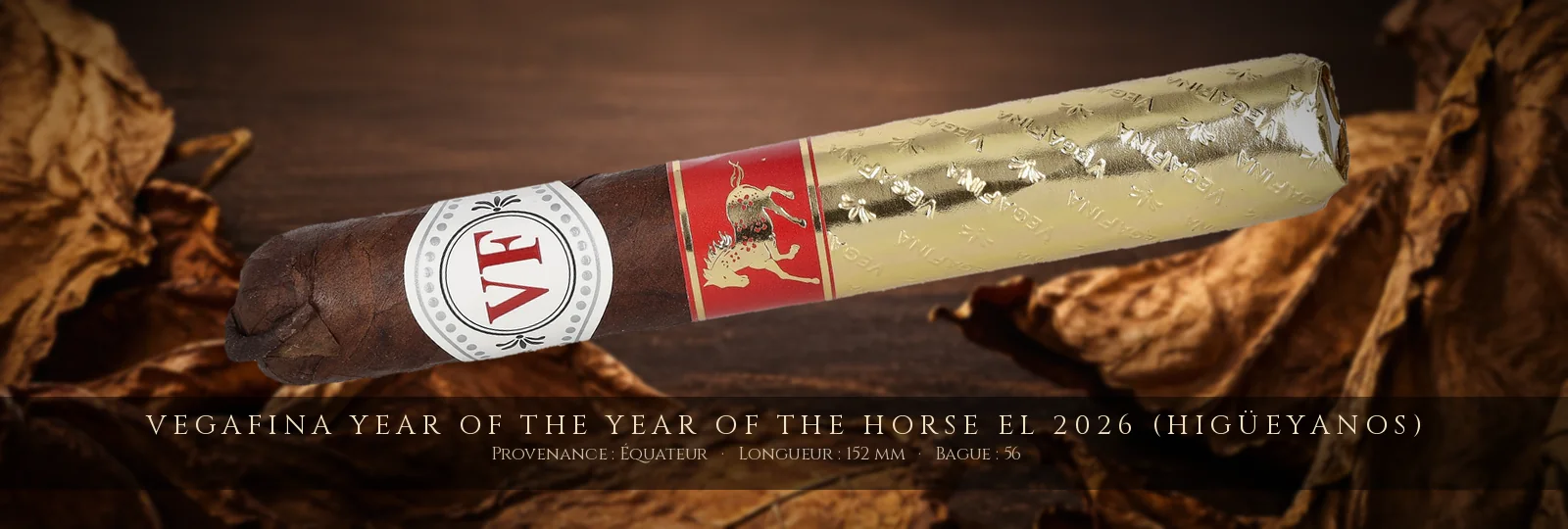 74% match
VegaFina
VegaFina Year Of The Year of the Horse EL 2026 (Higüeyanos)11 – 17 €
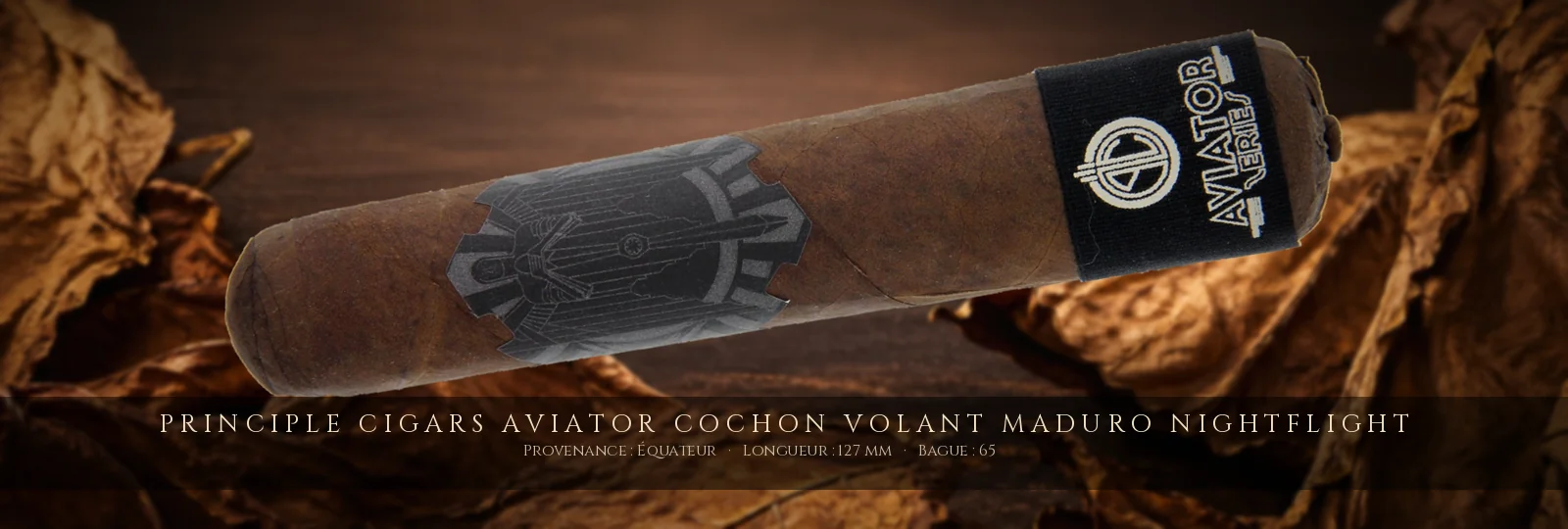 73% match
Principle Cigars
Principle Cigars Aviator Cochon Volant Maduro Nightflight13 – 20 €
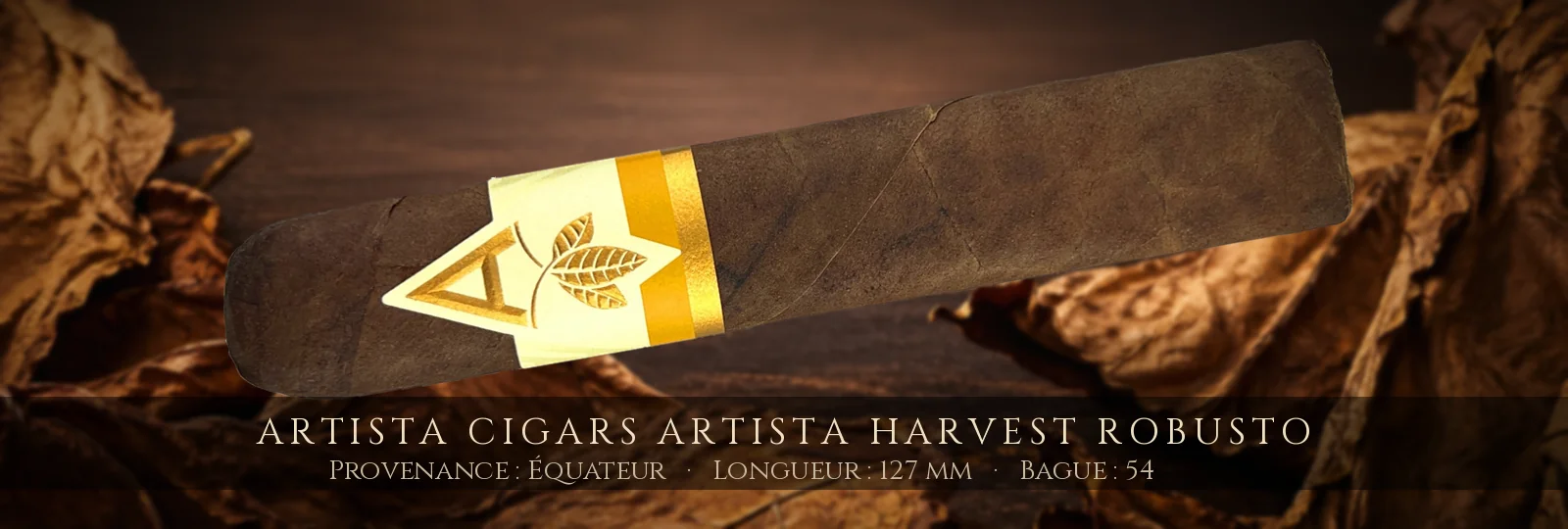 73% match
Artista Cigars
Artista Cigars Artista Harvest Robusto8 – 13 €
Tasting notes
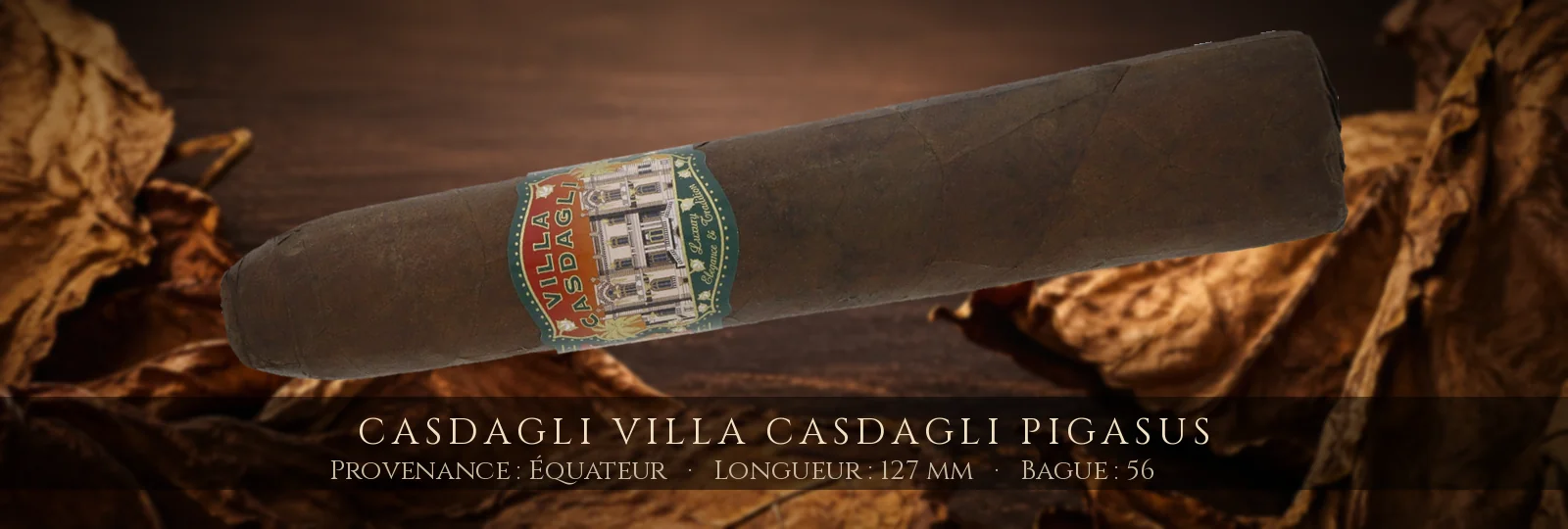
The Casdagli Villa Casdagli Pigasus reveals itself to you with a seductive wrapper typical of Egyptian cigars, showcasing a beautiful sheen and a refined texture. The carefully crafted Ecuadorian wrapper provides a sense of quality in the hand. The format, with its 127 mm (5") length and 22.2 mm (⅞") diameter, immediately draws attention and promises a rich tasting experience.
At first olfactory contact, you will be charmed by the pre-light aromas that reveal notes of malt and toasted bread. Once lit, these aromas take on a deeper dimension, as a subtle hint of pepper emerges. This aromatic evolution, although initially promising, sometimes seems altered by draw difficulties, making the experience uneven depending on the craftsmanship.
On the palate, the development of flavors unfolds over three thirds. The first third is marked by a malty sweetness, followed by a transition to notes of toasted bread and pepper in the second third. These aromas evolve with overall coherence, although some tasters note imperfections in the burn that impact the harmony of these flavors.
The finish is accompanied by a medium length sensation and a good balance between strength and sweetness, leaving a gentle bitterness on the palate. This complexity and these fluctuations make it a cigar worth discovering, while being aware of its inconsistencies.
For the ideal moment, this cigar is best enjoyed during an evening with friends, perhaps paired with a refreshing blonde beer, bringing a beautiful harmony with the selected aromas and the overall experience of the Pigasus.
Community impressions
Cigar enthusiasts highlight its aromatic complexity and overall balance. Although it presents draw challenges that may affect the experience, the richness of its dominant aromas such as malt and toasted bread makes it unique in its category. This makes it an intriguing option for aficionados seeking atypical nuances.
How to taste: Casdagli Villa Casdagli Pigasus
▼
1.The Visual Examination
Upon observing the Casdagli Villa Casdagli Pigasus, its wrapper presents a natural, light brown to golden hue, with a silky texture to the touch. The construction is mediocre, which may result in variations in the smoking experience.
This step of the visual examination allows for anticipating the quality of the burn and identifying any potential manufacturing defects, thereby influencing the tasting experience.
2.Pre-light Aromas
Before lighting, the aromas of the Pigasus reveal themselves, notably notes of malt, toasted bread, and pepper. These scents provide a first glimpse of what the cigar may offer during the tasting.
By identifying these aromas before lighting, you can adjust your expectations and focus on the flavors that may develop subsequently.
3.The Cut
Make a standard straight cut on the cap of the cigar. This type of cut is designed to facilitate an optimal and consistent draw throughout the tasting.
A well-executed cut is essential to avoid air issues and ensure an even burn, thus guaranteeing a pleasant smoking experience.
4.Cold Draw
When performing a cold draw, you may find that the draw is a bit difficult, which could indicate excessive compaction of the filler or a construction defect. This should be taken into account before lighting.
This step is crucial for detecting any potential defects before lighting, and an unsatisfactory draw may require adjustments to avoid future issues.
5.Lighting
During lighting, take care to toast the foot of the cigar evenly to avoid canoeing. This precaution ensures a balanced burn from the start.
A proper lighting is fundamental to guarantee a pleasant smoking experience, minimizing the risks of uneven combustion that could affect the aromas.
6.First Third
The first third of this cigar presents a medium strength with dominant aromas of malt, toasted bread, and pepper, accompanied by a medium smoke volume.
Observing the aromas and strength from the outset allows you to grasp the foundation of the tasting experience, preparing you for the evolution of flavors in the subsequent parts.
7.Second Third
In the second third, the cigar evolves with the emergence of secondary aromas, such as chocolate and fruits, while maintaining a good balance.
This phase of the tasting is essential for appreciating the increasing complexity of flavors, allowing you to deepen your appreciation of the nuances of the blend.
8.The Finish
At the end of the tasting, the ashes are gray, and the finish reveals a subtle residual sweetness with a slight bitterness, as well as a medium finish.
Observing the color of the ashes and the sensations on the finish provides insights into the quality of the leaf drying and the overall complexity of the blend.
Community tasting notes
Have you smoked this cigar?
Be the first to share your tasting. Your review helps thousands of enthusiasts make the right choice.
✍️ Write a tasting note