
Ratings & reviews
Editorial score
Community score
Be the first
Organoleptic profile
Strength
medium
Balance
good
Draw
slightly tight
Intensity
expressive
- Bouquet
- complex
- Finish
- medium
- Ash color
- gray
- Smoke output
- medium
Aroma profile
Dominant aromas
Secondary aromas
Similar cigars
Based on strength, aromas, format and wrapper origin — for a comparable tasting experience.
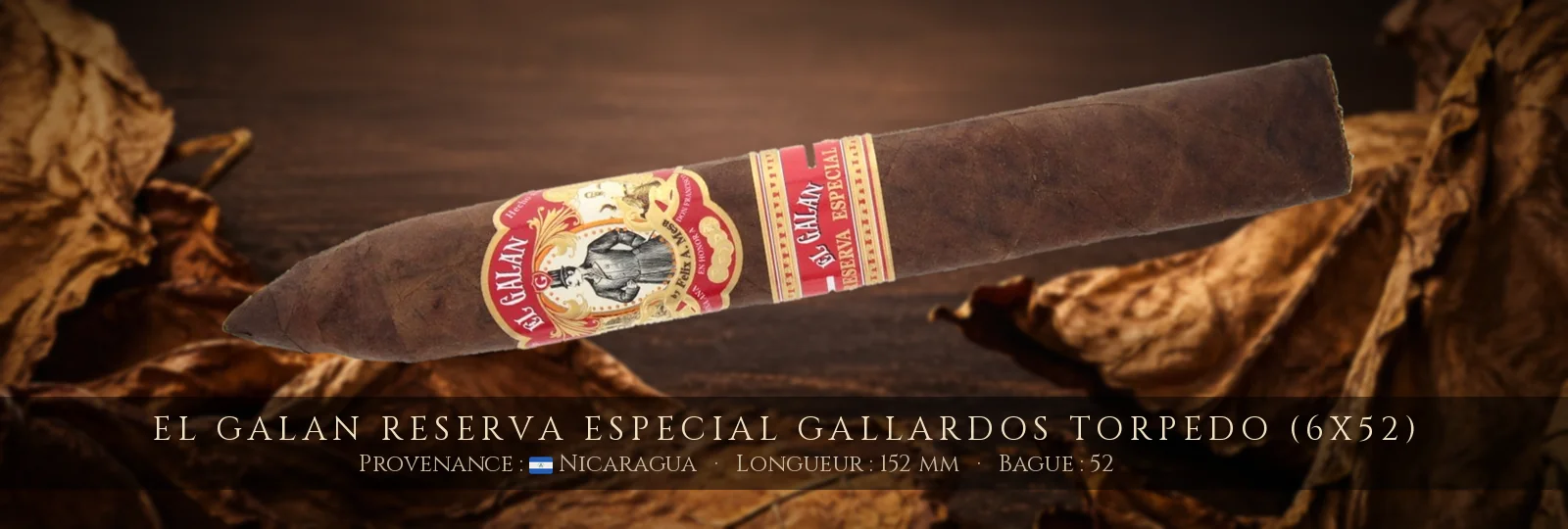 89% match
El Galan
El Galan Reserva Especial Gallardos Torpedo (6x52)6 – 9.5 €
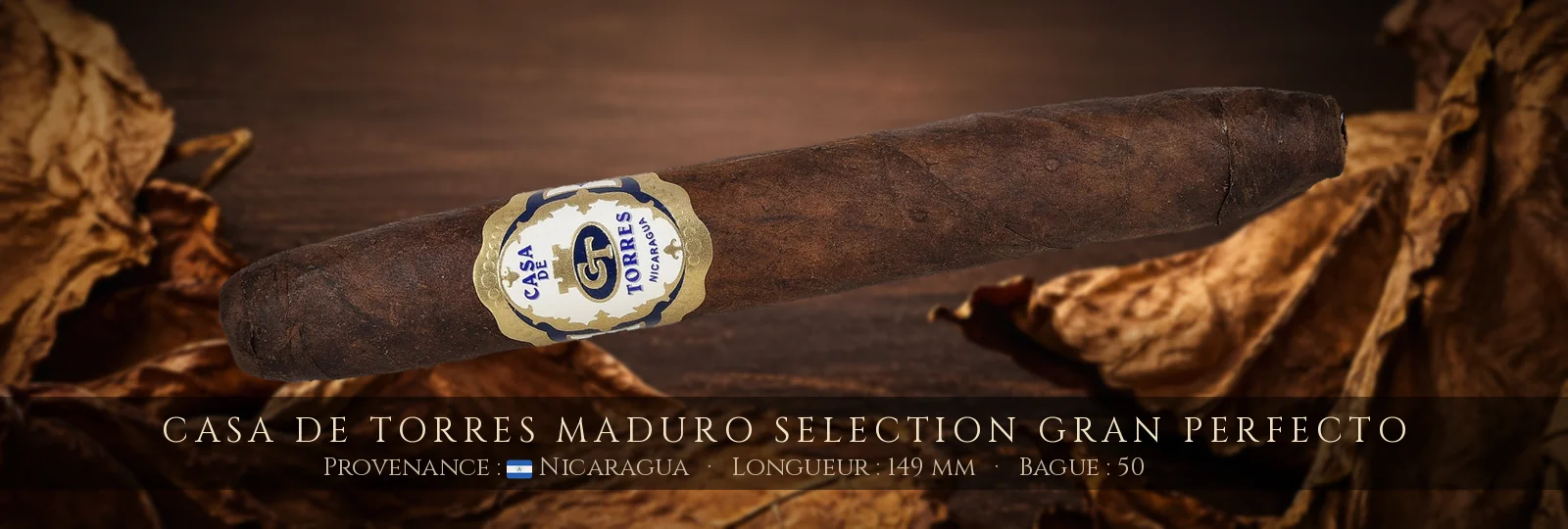 86% match
Casa de Torres
Casa de Torres Maduro Selection Gran Perfecto6.5 – 10.5 €
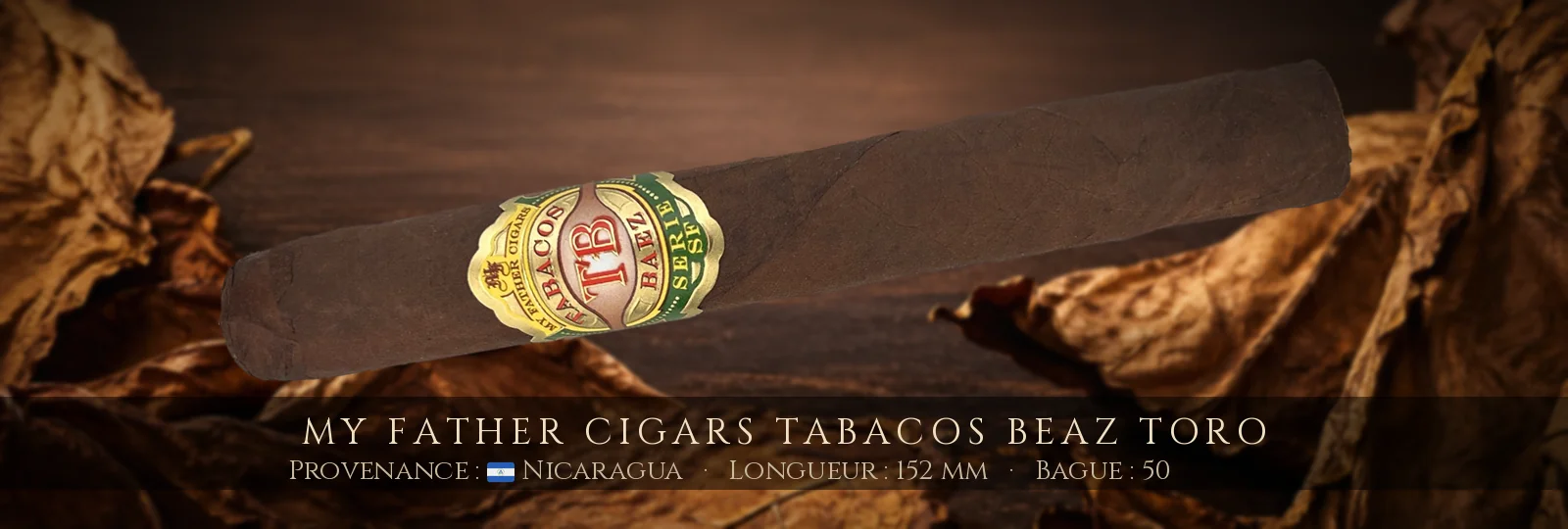 86% match
My Father Cigars
My Father Cigars Tabacos Beaz Toro4 – 6.5 €
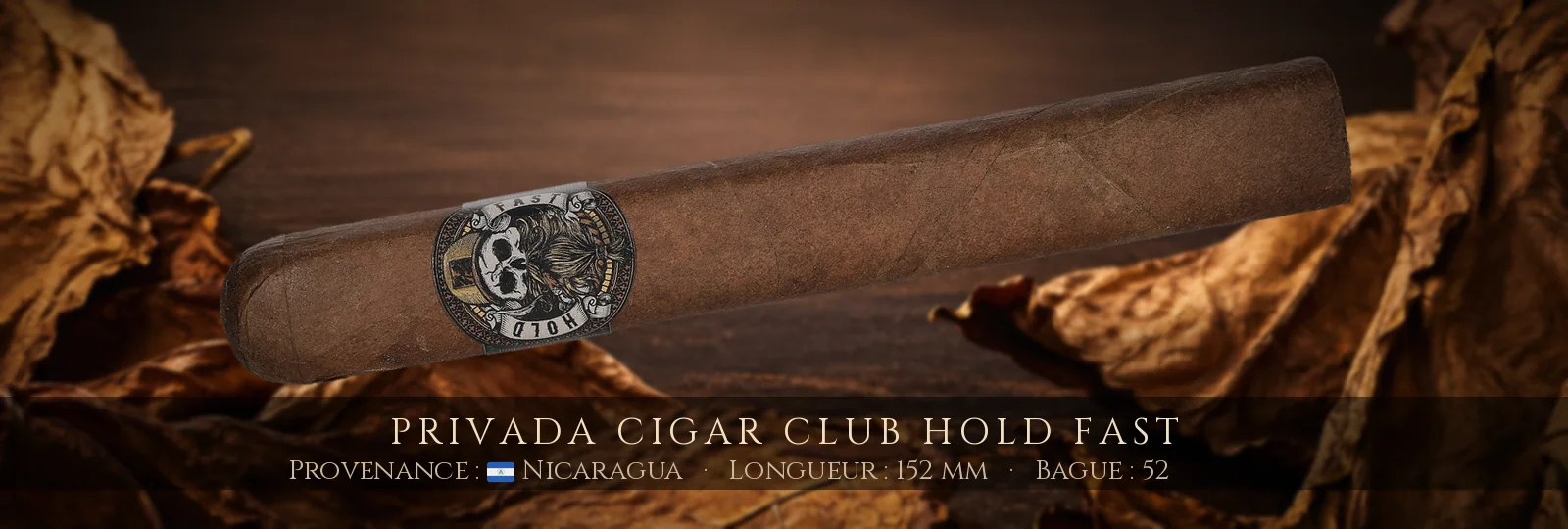 86% match
Privada Cigar Club
Privada Cigar Club Hold Fast12 – 20 €
Tasting notes
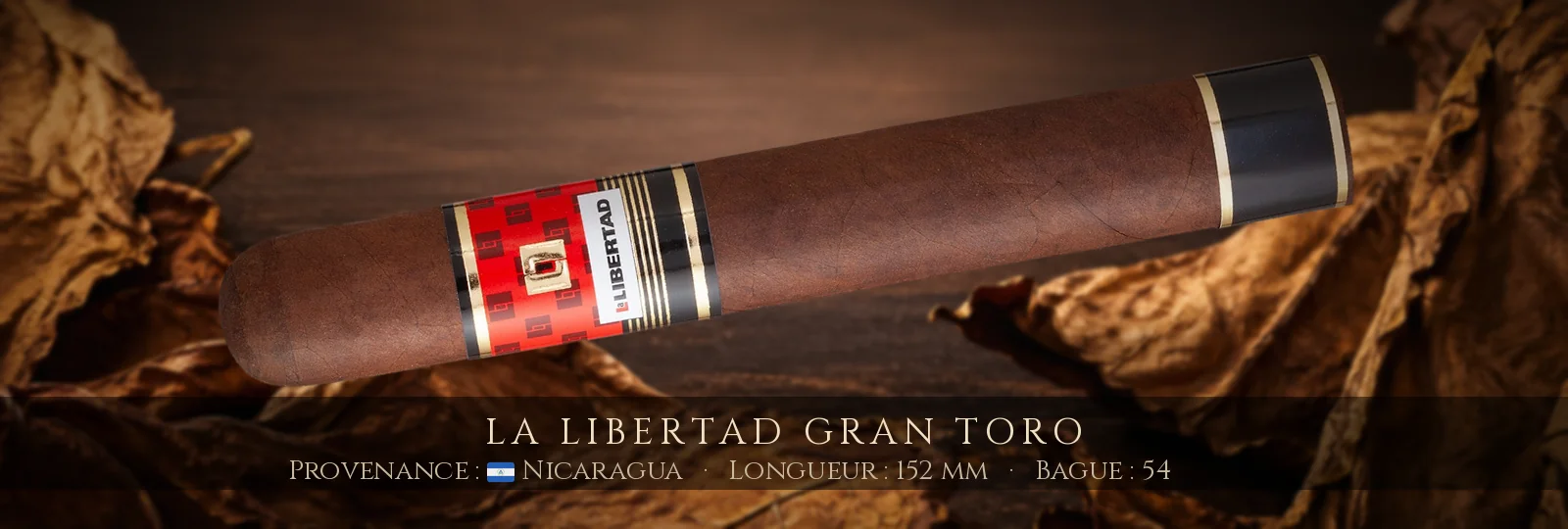
The La Libertad Gran Toro, originating from Nicaragua, presents itself with a beautiful dark brown wrapper, offering a silky and appealing appearance. Its wrapper has a pleasant texture to the touch, and the construction appears solid at first glance. The ashes are a deep grey, indicative of an even burn.
Upon the first olfactory contact, the cigar reveals rich pre-light aromas, where notes of earth, cocoa, and a light spiciness accompanied by a floral nuance are perceptible. Upon lighting, it evolves into an explosion of sweet rust, with hints of wood and roasted coffee, all integrating into a complex structure.
On the palate, the tasting unfolds in three acts. In the first third, the flavors of earth and cocoa dominate, imbued with a pleasant sweetness. The second third presents an evolution towards denser aromas, where notes of nuts and roasted coffee are added, complemented by a spicy touch. Finally, the last third confirms the intensity with a return of bitter cocoa aromas, enhanced by touches of wood and earth, creating a rich and refined taste.
The finish offers a long and satisfying mouthfeel, with a beautiful texture and a slight bitterness that lingers gently. The balance between strength and sweetness is appreciated, making the tasting both accessible and intriguing. This cigar stands out for its versatility, captivating the palate eager for novelty.
To fully appreciate the La Libertad Gran Toro, consider a sunny break or a moment of relaxation at the end of the day, accompanied by a glass of peaty whisky or a full-bodied coffee that will elevate its complex aromas.
Community impressions
Cigar enthusiasts highlight its fascinating aromatic evolution and expressive character, although it sometimes has a difficult draw. Despite some reservations about the construction, the flavors of earth, cocoa, and nuts make it an intriguing choice for those seeking a rich and nuanced experience.
How to taste: La Libertad Gran Toro
▼
1.Visual Examination
Upon observing the La Libertad Gran Toro, one notices a deep brown and slightly textured appearance of the wrapper. Its mediocre construction and straight format of 152.4 mm (6") with a ring gauge of 54 are also worth noting.
The visual examination allows for an initial assessment of the cigar's quality and anticipates potential defects that could affect the tasting experience.
2.Pre-light Aromas
Before lighting, aromas of damp earth, chocolate, and nuts emanate from the cigar. This first olfactory step provides a glimpse of the flavors to come.
The pre-light aromas are often more faithful to the nature of the tobacco, and this step helps prepare for the evolution of flavors during the burn.
3.The Cut
The standard cut under the cap is performed to ensure an optimal draw. Make sure the cut is clean to avoid draw issues later on.
A well-executed cut is crucial for guaranteeing a consistent draw, which directly impacts the quality of the tasting experience.
4.Cold Draw
During the cold draw, it is noted that it can be a bit difficult, which may indicate the cigar's mediocre construction.
This test is essential for detecting potential defects before lighting, thus avoiding the inconveniences of a blocked draw during the tasting.
5.Lighting
Lighting should be done carefully to ensure an even burn. Take the time to toast the foot to avoid imbalances.
A good lighting is crucial to prevent canoeing and combustion difficulties that may arise if the foot is not properly toasted.
6.First Third
From the first puffs, the strength of the La Libertad Gran Toro reveals itself to be medium, with dominant aromas of damp earth and chocolate. The smoke volume is also medium.
This first third is important as it prepares your palate for the complexities to come and allows you to appreciate the initial texture of the flavors.
7.Second Third
At this stage, secondary aromas of coffee, wood, and spices begin to emerge, while the balance of the cigar seems good despite its initial construction.
This phase is often one of revelation, where the complexity of flavors unfolds, enriching the tasting experience.
8.The Finish
The gray ash indicates a correct burn, while the finish offers a rich texture and a slight lingering bitterness.
The finish is indicative of the quality of the tobacco and the drying technique, leaving a lasting impression that contributes to the overall appreciation of the cigar.
Community tasting notes
Have you smoked this cigar?
Be the first to share your tasting. Your review helps thousands of enthusiasts make the right choice.
✍️ Write a tasting note