
Ratings & reviews
Editorial score
Community score
Be the first
Organoleptic profile
Strength
mild
Balance
poor
Draw
tight
Intensity
closed
- Bouquet
- simple
- Finish
- short
- Ash color
- light gray
- Smoke output
- light
Aroma profile
Dominant aromas
Secondary aromas
Similar cigars
Based on strength, aromas, format and wrapper origin — for a comparable tasting experience.
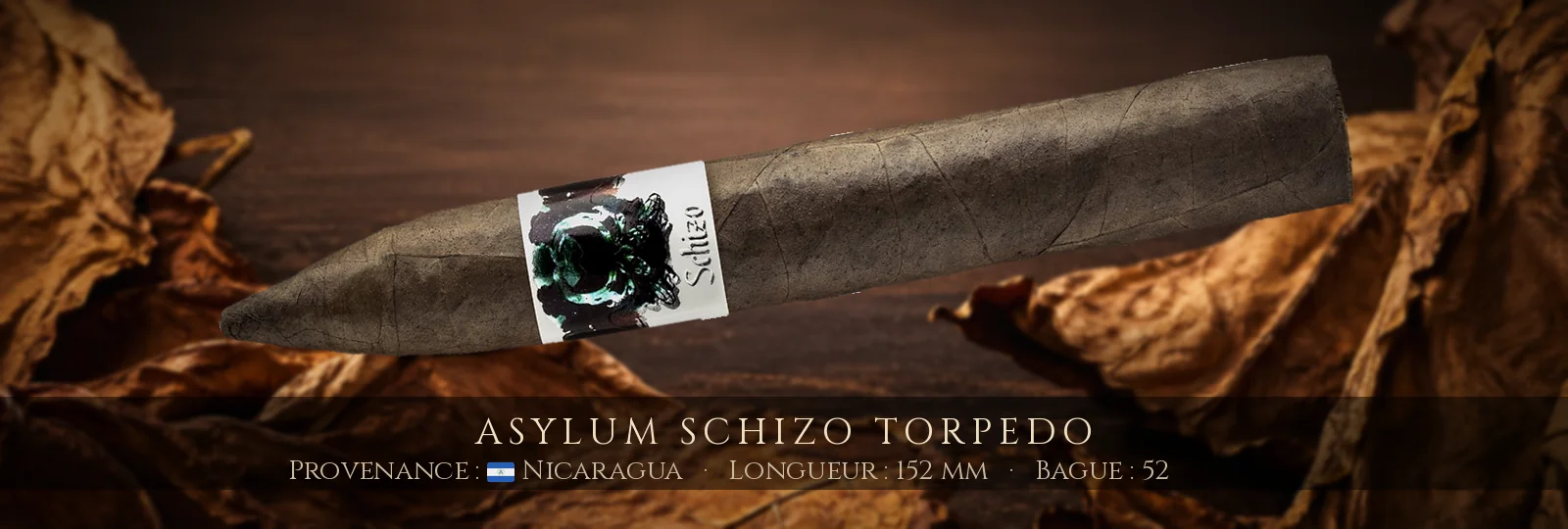
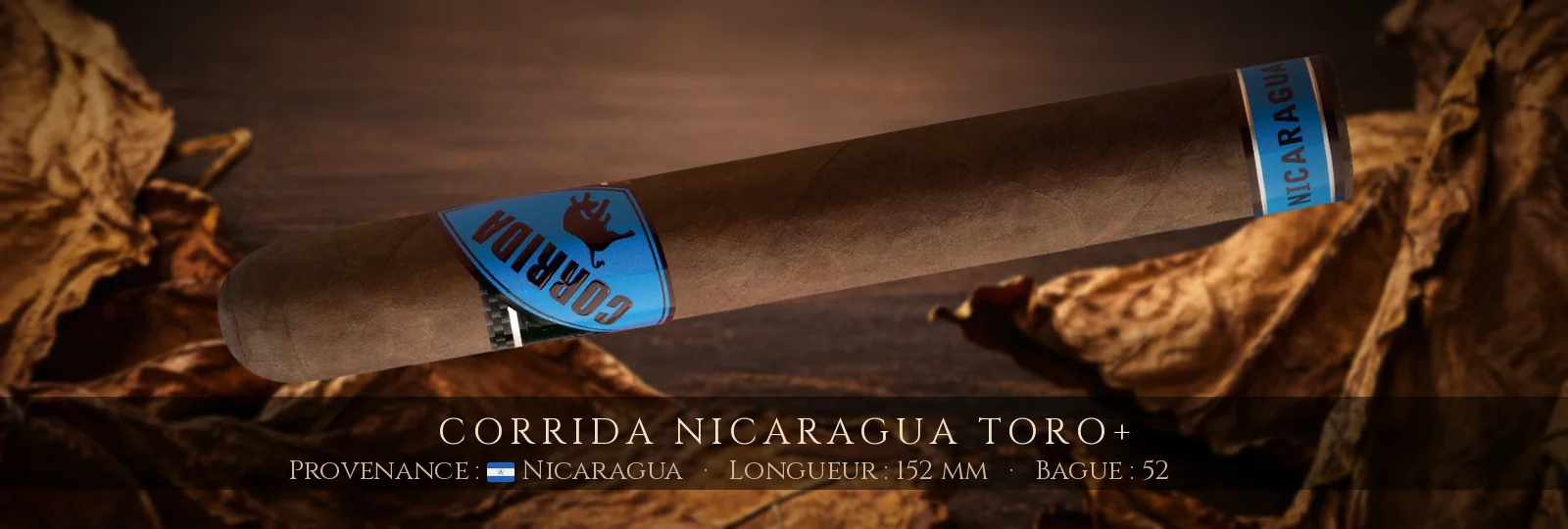
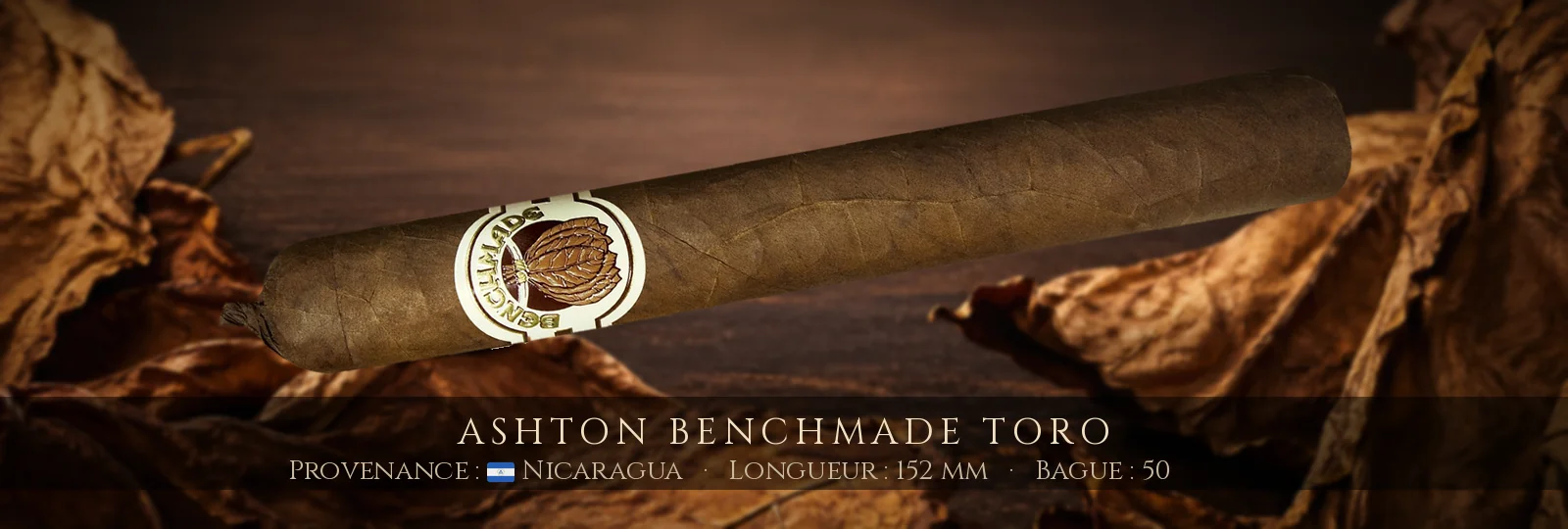 69% match
Ashton
Ashton Benchmade Toro4.5 – 7 €
Tasting notes
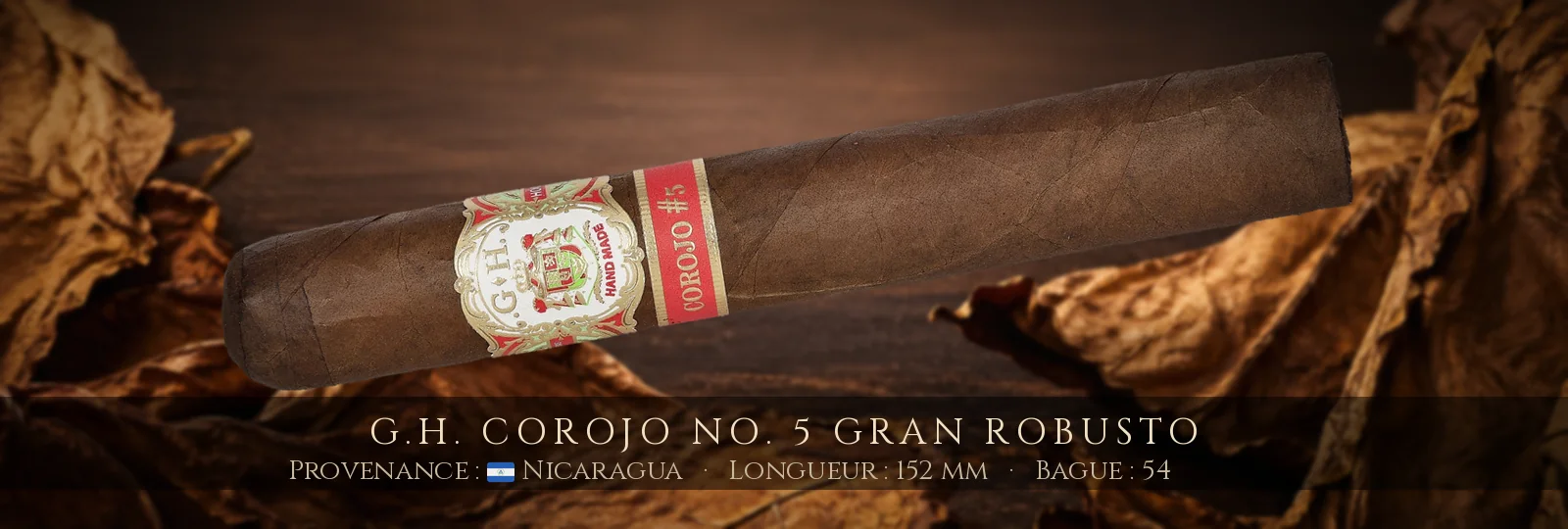
The G.H. Corojo No. 5 Gran Robusto presents itself in an elegant guise, with a wrapper texture of rich and homogeneous Nicaragua. In hand, its generous format of 152.4 mm (6") and a diameter of 21.4 mm (⅞") offer a pleasant grip, but the first impression gives way to some questioning regarding its filling and overall presentation.
Upon lighting, the first olfactory contact reveals mineral aromas that may seem unpleasant, almost musty. As the flame touches the wrapper, damp nuances emerge, but the evolution towards a more complex profile remains difficult to achieve, as the simplicity of the bouquet seems palpable.
On the palate, the development of flavors is limited, oscillating between a slight earthiness and notes of cereal. Unfortunately, this cigar seems to struggle for balance, with an easy draw that disrupts the experience, bringing forth an overly dominant taste of humidity and minerality, rendering the aromatic progression unsatisfactory.
The finish is marked by a disappointing sensation, where the mouthfeel is unpleasant and the aromatic discourse fails to convince. Its balance is clearly mediocre, offering a rather short finish. The G.H. Corojo No. 5, despite its ambition, fails to impress and stands out for its flaws.
This cigar should be enjoyed with caution, perhaps during a moment of preparation, and preferably away from special occasions. A light beer or coffee could help mitigate the imperfections, but it would be wise not to expect much.
Community impressions
Enthusiasts of this cigar highlight the disappointment due to its difficult draw and uninviting character. The mineral and damp pre-light aromas leave a negative impression, making this smoking experience one to quickly forget. The manufacturing flaws appear to detract from this creation, leaving little room for appreciation.
How to taste: G.H. Corojo No. 5 Gran Robusto
▼
1.The Visual Examination
The G.H. Corojo No. 5 Gran Robusto presents itself with a deep brown wrapper, slightly textured, that catches the eye. The Gran Robusto format, measuring 152.4 mm (6") and displaying a ring gauge of 54, offers a comfortable grip, although its construction leaves something to be desired.
This initial step allows for an assessment of the quality of the tobacco and its craftsmanship — a uniform appearance can indicate better aging and careful preparation.
2.Pre-light Aromas
Before lighting the cigar, inhaling the pre-light aromas reveals mineral notes, dampness, and a hint of mold. These scents are often surprising and can pique curiosity for what is to come.
This step is crucial for anticipating the flavor profile that will develop during the burn — it helps refine expectations and prepare for sensory discoveries.
3.The Cut
The standard cut under the cap is a simple yet essential gesture. It must be performed with precision to ensure an easy draw, even if the construction of the cigar is not the most robust.
A well-executed cut ensures adequate airflow during tasting — a mistake here can compromise the experience by leading to draw difficulties.
4.Cold Draw
The cold draw proves difficult with this cigar, which may be a sign of imperfect construction. This test highlights the resistance to aspiration.
Identifying a blocked draw before lighting allows for adjustments to be made, thus ensuring a more enjoyable and surprise-free smoking experience.
5.Lighting
During lighting, it is crucial to ensure an even burn at the foot. This guarantees that heat spreads correctly throughout the cigar.
A good lighting prevents canoeing and ensures a more balanced smoking experience — an essential aspect for fully appreciating the aromas.
6.First Third
In the first third, the strength remains mild, with dominant aromas of mineral and dampness, while the smoke volume is low, limiting the intensity of the experience.
This critical moment allows for an initial diagnosis of the cigar's potential — inadequate balance at this stage can detract from the rest of the tasting.
7.Second Third
As we progress into the second third, secondary aromas of wood, damp earth, and grains begin to emerge, although the balance remains mediocre.
Observing the evolution of flavors in this segment can provide insight into the complexity of the cigar — good aromatic development is often a sign of a successful blend.
8.The Finish
At the end, the ashes are light gray, but the mouthfeel remains unpleasant with a lingering sweetness that is uninviting and a short finish.
This conclusion reveals not only the quality of the tobacco but also the care taken in drying and fermentation — crucial elements for a satisfying experience.
Community tasting notes
Have you smoked this cigar?
Be the first to share your tasting. Your review helps thousands of enthusiasts make the right choice.
✍️ Write a tasting note