
Ratings & reviews
Editorial score
Community score
Be the first
Organoleptic profile
Strength
medium
Balance
poor
Draw
tight
Intensity
closed
- Bouquet
- simple
- Finish
- short
- Ash color
- gray
- Smoke output
- light
Aroma profile
Dominant aromas
Secondary aromas
Similar cigars
Based on strength, aromas, format and wrapper origin — for a comparable tasting experience.
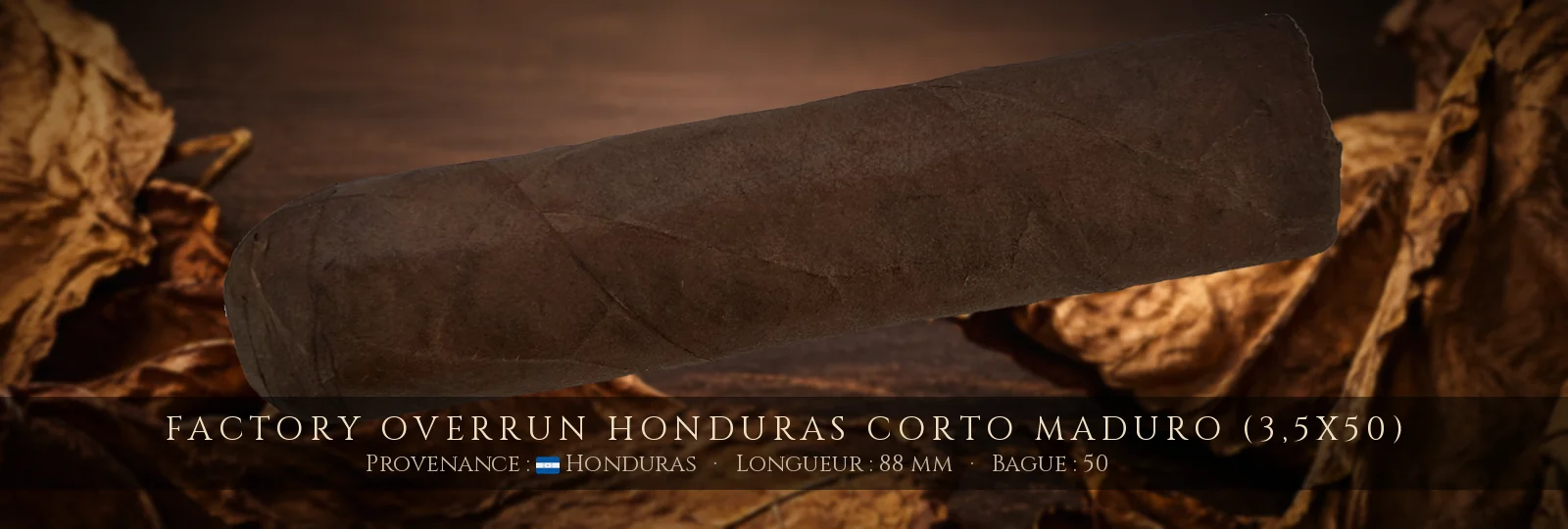 89% match
Factory Overrun
Factory Overrun Honduras Corto Maduro (3,5x50)2.5 – 4.5 €
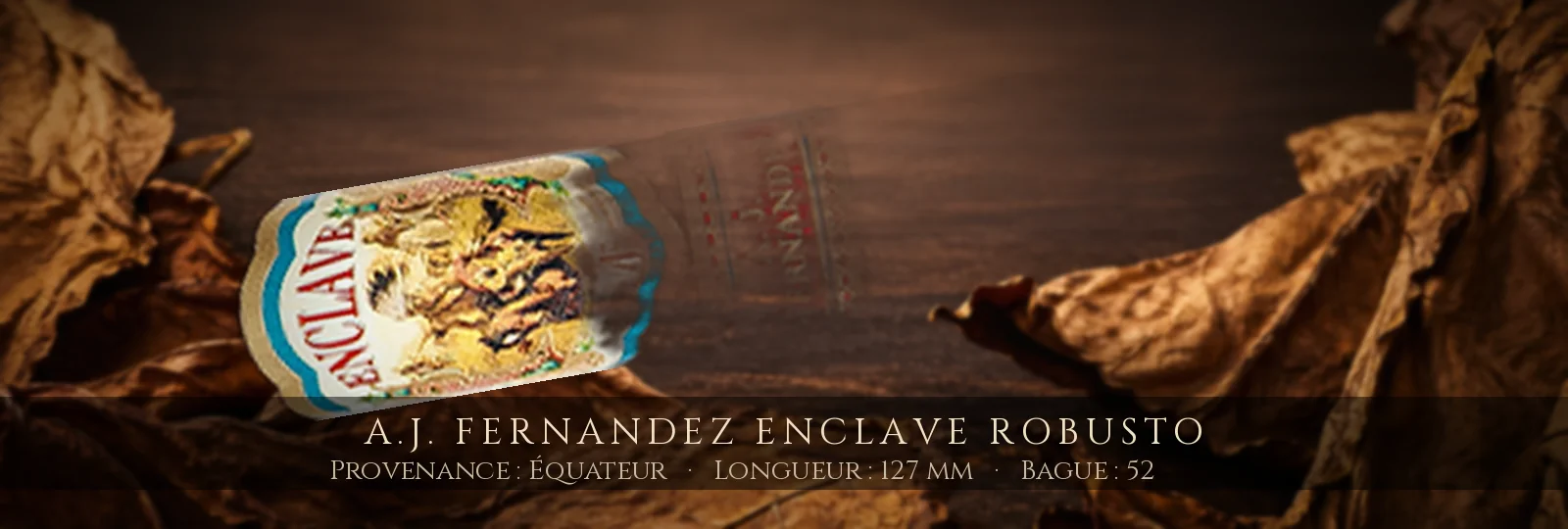 81% match
A.J. Fernandez
A.J. Fernandez Enclave Robusto8 – 12.5 €
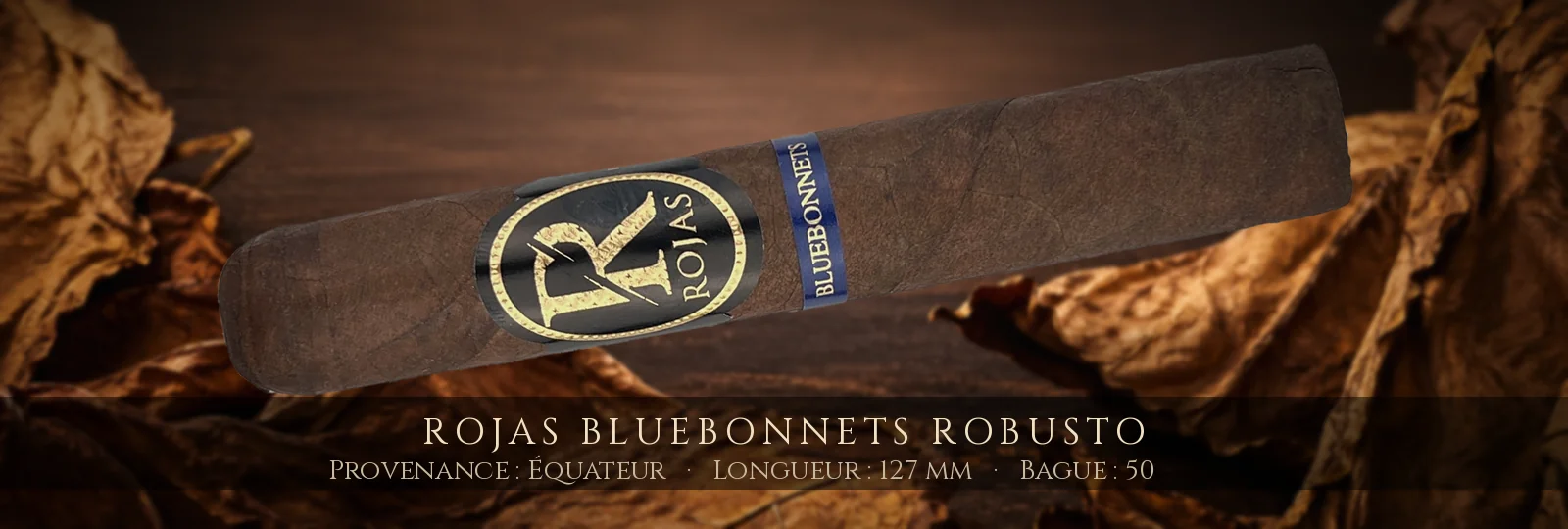 81% match
Rojas
Rojas Bluebonnets Robusto7 – 11 €
Tasting notes
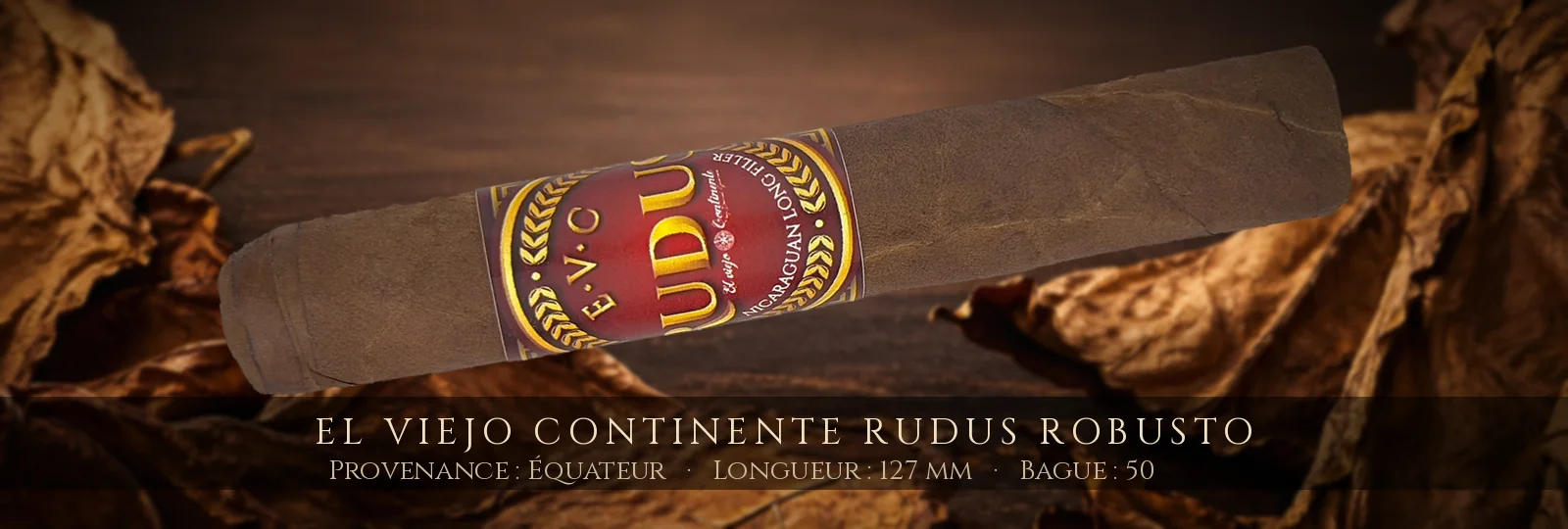
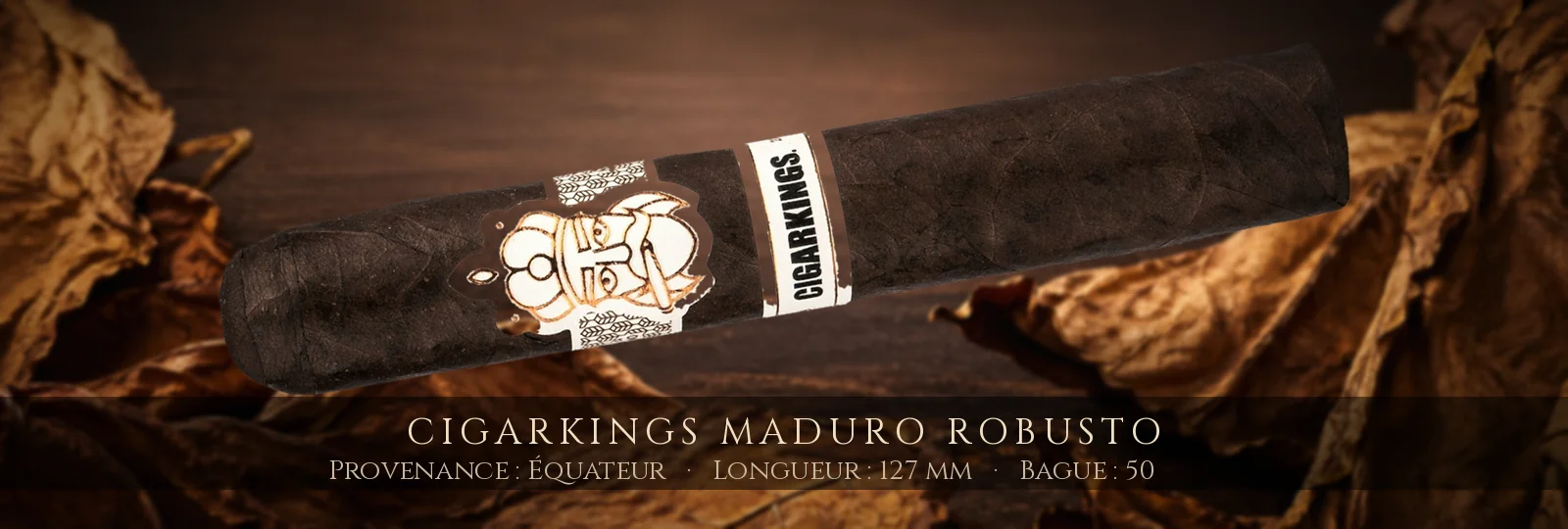
The El Viejo Continente Rudus Robusto presents itself with a silky, slightly brown wrapper, typical of cigars produced in Ecuador. Its finely textured wrapper offers a pleasant grip. The dimensions, with a length of 127 mm (5") and a diameter of 19.8 mm (¾"), suggest a rich tasting experience, although unforeseen issues arise quickly upon the first approach.
At first olfactory contact, earthy and spicy notes reveal themselves, followed by an evolution during lighting. Indeed, from the very first puff, the smoke feels overwhelming with a lack of fragrant complexity. The pre-light aromas struggle to distinguish themselves, and the overall scent remains almost crayon-like. This lack of expression intensifies as the cigar progresses.
On the palate, the experience proves somewhat unpleasant. The flavors evolve in a rather disharmonious manner across the three thirds, where the dominance of earth and spices is paired with bitter and dry sensations, complicating appreciation. It is difficult to find coherence in the development, making the tasting frustrating and laborious.
The finish concludes with a bitter sensation that leaves little room for positive appreciation. The finish is short, combined with a strength/sweetness balance that deserves reconsideration. In summary, this cigar presents itself as a disappointing product, insufficiently captivating to entice even the most indulgent smokers.
The ideal moment to attempt this cigar might be during a morning reflection, accompanied by a strong black coffee. However, be aware that this experience may not bring you the desired pleasure.
Community impressions
Enthusiasts of this cigar highlight a disappointing experience, noting a complex draw and a lack of balance. The aromas, although promising, prove ineffective, giving way to a stony bitterness. This cigar may not suit discerning palates.
How to taste: El Viejo Continente Rudus Robusto
▼
1.Visual Examination
The El Viejo Continente Rudus Robusto features an Ecuadorian wrapper with a light brown to golden hue, offering a silky and natural texture. Its Robusto format of 127 mm (5") with a ring gauge of 50 invites a generous grip, although the construction is deemed poor, which may raise questions about the quality of the smoke.
This first step allows for the evaluation of the cigar's aesthetics as well as manufacturing elements that can influence the tasting experience, such as construction and draw.
2.Pre-light Aromas
Before lighting, bring the cigar to your nose to capture its aromas. Here, you may perceive notes of damp earth and spices, accompanied by undertones of chocolate and coffee, thus providing a promising glimpse of what awaits.
This step is crucial for anticipating the forthcoming flavors and preparing your palate for the aromatic nuances that will reveal themselves during the tasting.
3.The Cut
Perform a standard straight cut just below the cap to open the draw. This cut, while simple, must be executed with precision to avoid damaging the delicate wrapper.
An adequate cut is fundamental to ensure a consistent draw, essential for an optimal smoking experience, especially in the case of a delicately constructed cigar.
4.Cold Draw
During the cold draw, you may find that the airflow is difficult, potentially indicating manufacturing defects or an accumulation of overly compact tobacco.
This initial observation helps identify any draw issues that could hinder your tasting experience from the outset.
5.Lighting
Carefully light the cigar, ensuring that the foot is evenly toasted. Poor initial combustion could lead to canoeing, resulting in an uneven draw.
A careful lighting is essential to guarantee an even burn and avoid difficult adjustments during the tasting.
6.First Third
From the first puffs, the cigar reveals a medium strength with dominant aromas of damp earth, spices, and a low volume of smoke. The intensity of the flavors may seem more moderate than expected.
This first third allows for a clear understanding of the cigar's aromatic base, assessing its body and preparing the palate for the upcoming evolutions.
7.Second Third
At this stage, secondary aromas such as chocolate and coffee begin to manifest, although the overall balance remains mediocre. The complexity remains limited despite the new nuances.
Observing the evolution of flavors at this crucial moment helps appreciate the transformation of aromas and identify the strengths and weaknesses of the blend.
8.The Finish
The gray ash will testify to the burn, while the finish leaves a bitter and dry sensation in the mouth, with a relatively short finish, indicating a lack of salivation.
This final step reveals the cigar's ultimate impact on the palate and allows for the evaluation of the blend's quality as well as its potential for aromatic development.
Community tasting notes
Have you smoked this cigar?
Be the first to share your tasting. Your review helps thousands of enthusiasts make the right choice.
✍️ Write a tasting note