
Ratings & reviews
Editorial score
Community score
Be the first
Organoleptic profile
Strength
medium
Balance
very good
Draw
slightly tight
Intensity
expressive
- Bouquet
- complex
- Finish
- medium
- Ash color
- gray
- Smoke output
- medium
Aroma profile
Dominant aromas
Secondary aromas
Similar cigars
Based on strength, aromas, format and wrapper origin — for a comparable tasting experience.
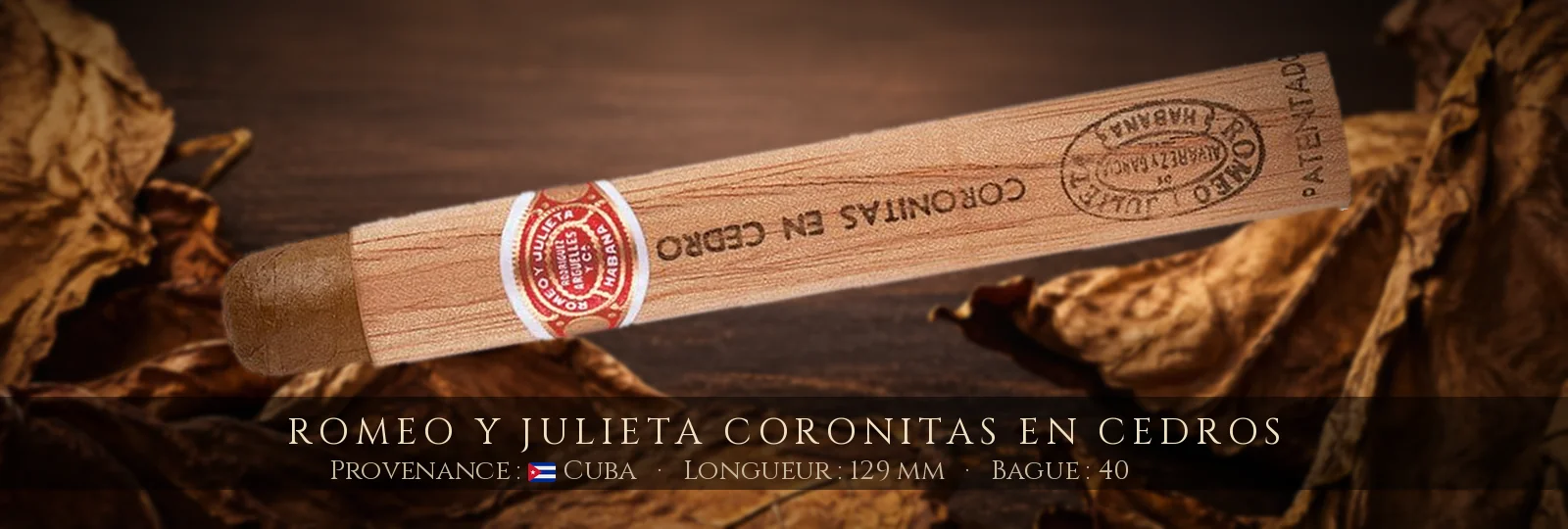 89% match
Romeo y Julieta
Romeo y Julieta Coronitas en Cedros6 – 9.5 €
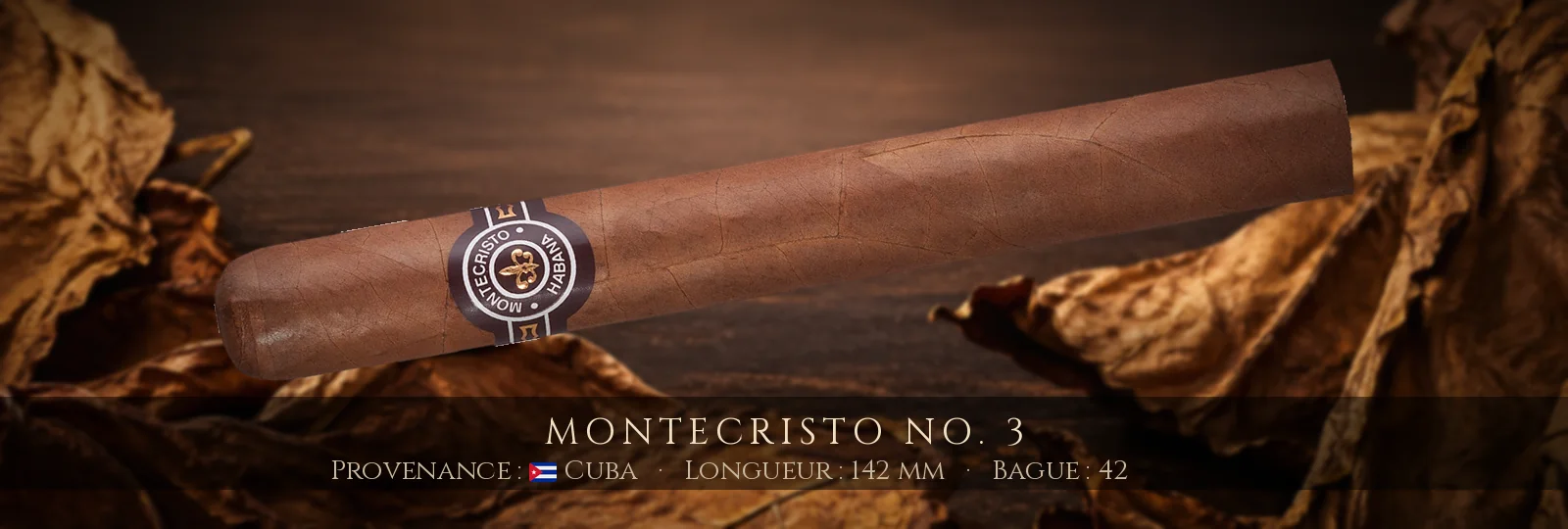 88% match
Montecristo
Montecristo No. 315 – 24 €
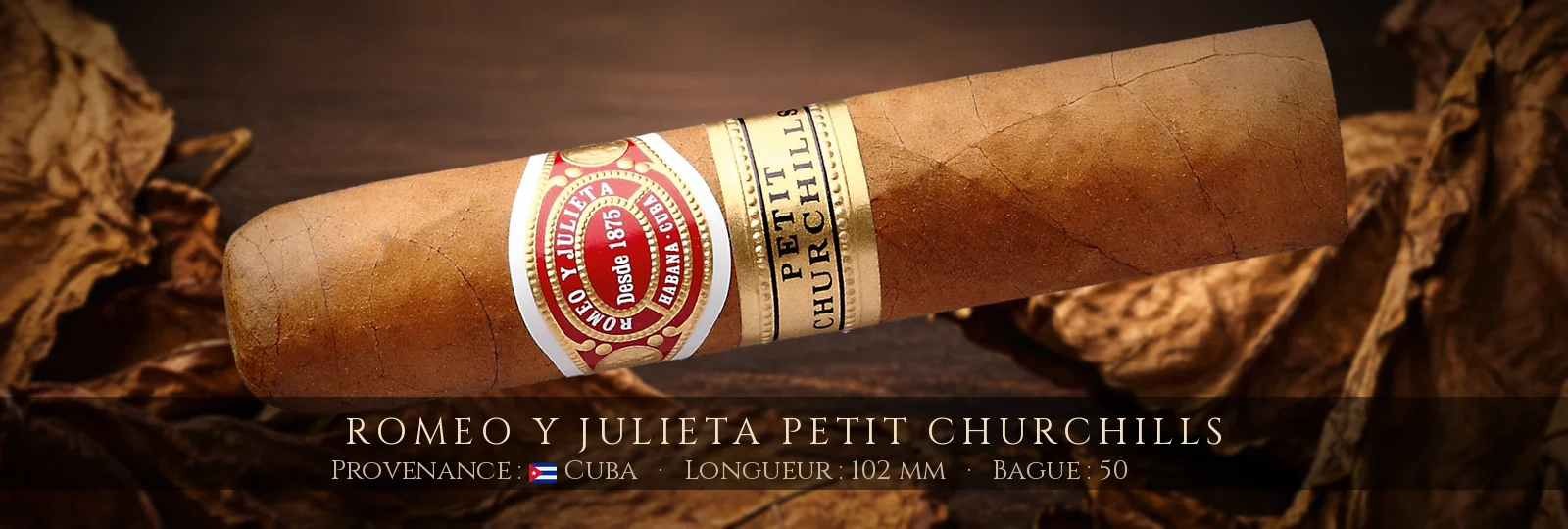 84% match
Romeo y Julieta
Romeo y Julieta Petit Churchills14 – 22 €
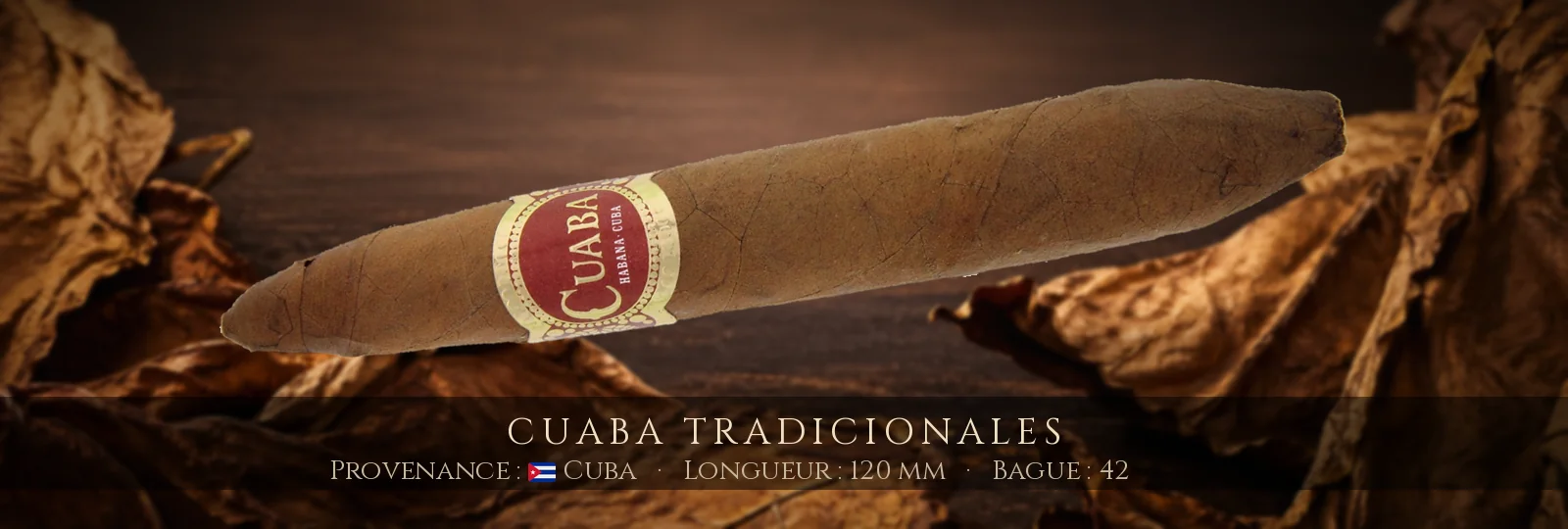 83% match
Cuaba
Cuaba Tradicionales8 – 13 €
Tasting notes
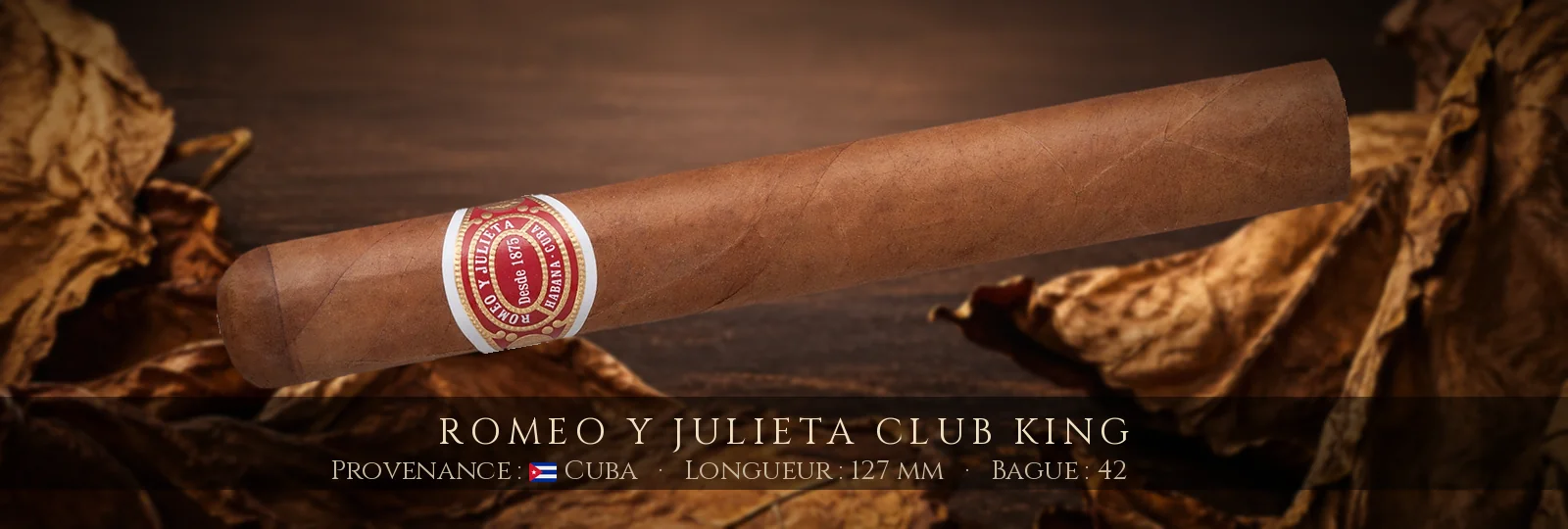
The Romeo y Julieta Club King visually reveals itself through an elegant Mareva format of 127 mm (5"), featuring a radiant Colorado Maduro wrapper. Its texture is soft to the touch, while the glossy finish adds a note of sophistication. This cigar presents a perfectly proportioned wrapper, giving a promising glimpse of the experience to come.
Upon lighting, the cigar immediately emits aromas of cedar and roasted coffee. These initial olfactory impressions quickly reveal themselves to be complex, with nuances of earth and bark intensifying. After a few puffs, the slight sweetness of fruits emerges, creating a beautiful harmony as the cigar truly takes flight.
On the palate, the transition through each third is marked by a notable aromatic progression. The first third, somewhat too subtle, quickly gives way to a richer development, where coffee and earth assert themselves. The second third reveals notes of pepper, while the final third focuses on a more muted range, with an earthy blend and a hint of bitterness, thus offering a beautiful creamy finish, albeit sometimes a bit unbalanced.
The mouthfeel lingers with a creamy and slightly bitter texture, highlighting the good balance between strength and sweetness, contributing to a medium finish. This cigar indeed combines a beautiful complexity, making it unique within the world of Romeo y Julieta.
Ideal for savoring during a quiet evening, the Club King pairs perfectly with a black coffee or a smooth whisky, enhancing its coffee and earth aromas for an exquisite and refined tasting moment.
Community impressions
Enthusiasts of this cigar highlight its unique character with rich aromas of coffee and cedar. Although the draw may lack lightness, the complexity of flavors and its elegance make it an essential choice for aficionados. Well-balanced, the Club King adapts to various tasting occasions.
How to taste: Romeo y Julieta Club King
▼
1.The Visual Examination
The Romeo y Julieta Club King features a colorado wrapper, a shiny reddish-brown that is slightly oily, characteristic of Habanos. With a Marevas format, it measures 127 mm (5") in length and has a ring gauge of 42. However, the construction is deemed mediocre, an element to note before tasting.
This observation step allows for the identification of the overall visual quality of the cigar, which can influence expectations regarding aromatic richness and burn.
2.Pre-Light Aromatics
Before lighting, aromas of coffee and cedar emerge, accompanied by notes of damp earth. These scents provide a glimpse into the forthcoming flavors, revealing the tobacco blend used.
Anticipating the aromas before lighting helps refine concentration during tasting, as heat can transform these essences.
3.The Cut
Executed with a standard straight cut, it must be performed carefully to ensure good airflow. This step is crucial for preparing the cigar for a pleasant smoking experience.
A successful cut ensures an easy draw, minimizing the risks of uneven burn that could disrupt the tasting.
4.Cold Draw
The cold draw presents a slight resistance, an aspect to consider before lighting. This indicates that the airflow may be somewhat restricted.
Evaluating the cold draw allows for the identification of potential manufacturing defects and adjustments to the cut if necessary before starting to smoke.
5.Lighting
During lighting, it is imperative to ensure an even burn at the foot. Paying particular attention to this aspect avoids the inconveniences of a canoe.
A good lighting sets the stage for a smooth and enjoyable experience, minimizing interruptions due to subsequent burn corrections.
6.First Third
The first third of the Romeo y Julieta Club King reveals a medium strength, with dominant aromas of coffee, cedar, and a medium volume of smoke. The initial flavors are often the most pronounced.
This step allows for the appreciation of the strength and intensity of the aromas, laying the groundwork for the evolution of flavors in the subsequent thirds.
7.Second Third
At this stage, the cigar demonstrates good balance, evolving towards secondary aromas such as bark, pepper, and honey. This blend enriches the tasting experience.
Observing the increasing complexity of flavors in this third underscores the importance of patience, as each aromatic layer reveals itself gradually.
8.The Finale
At the end of the tasting, the gray ash testifies to an even burn, while the creamy and slightly bitter texture in the mouth offers a pleasant finish.
This final step evaluates the overall quality of the blend and how the aromas hold up, contributing to a memorable experience.
Community tasting notes
Have you smoked this cigar?
Be the first to share your tasting. Your review helps thousands of enthusiasts make the right choice.
✍️ Write a tasting note