
Ratings & reviews
Editorial score
Community score
Be the first
Organoleptic profile
Strength
medium
Balance
good
Draw
perfect
Intensity
expressive
- Bouquet
- complex
- Finish
- medium
- Ash color
- light gray
- Smoke output
- medium
Aroma profile
Dominant aromas
Secondary aromas
Similar cigars
Based on strength, aromas, format and wrapper origin — for a comparable tasting experience.
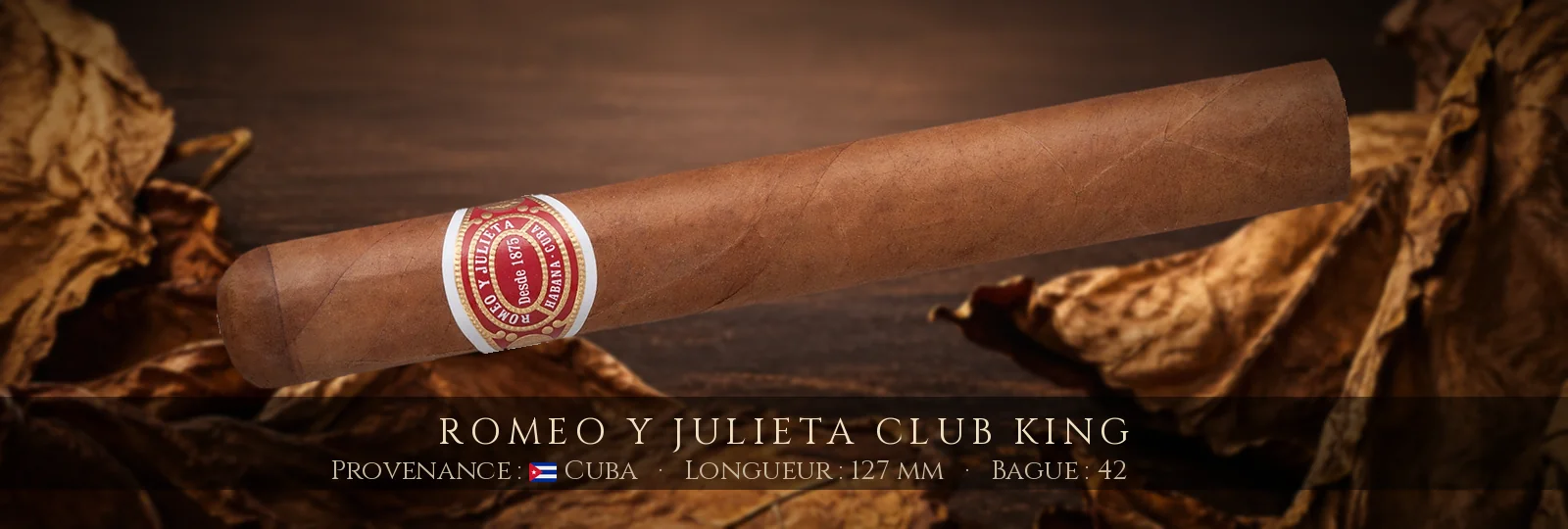 88% match
Romeo y Julieta
Romeo y Julieta Club King10 – 16 €
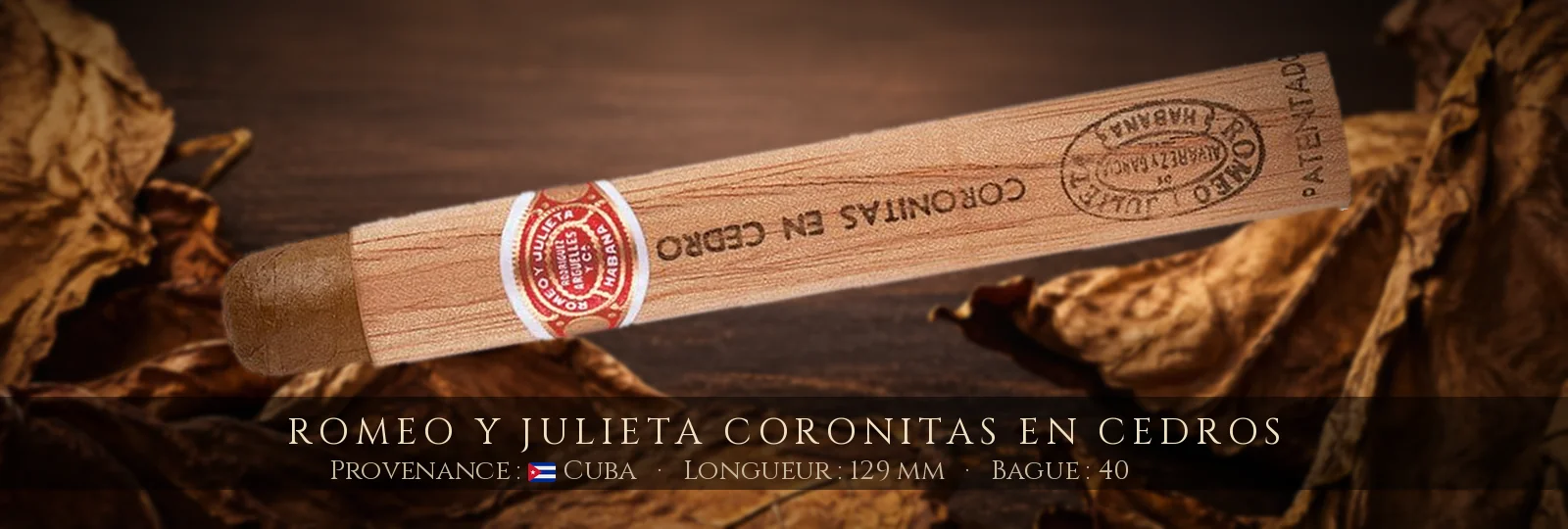 84% match
Romeo y Julieta
Romeo y Julieta Coronitas en Cedros6 – 9.5 €
 82% match
Bolivar
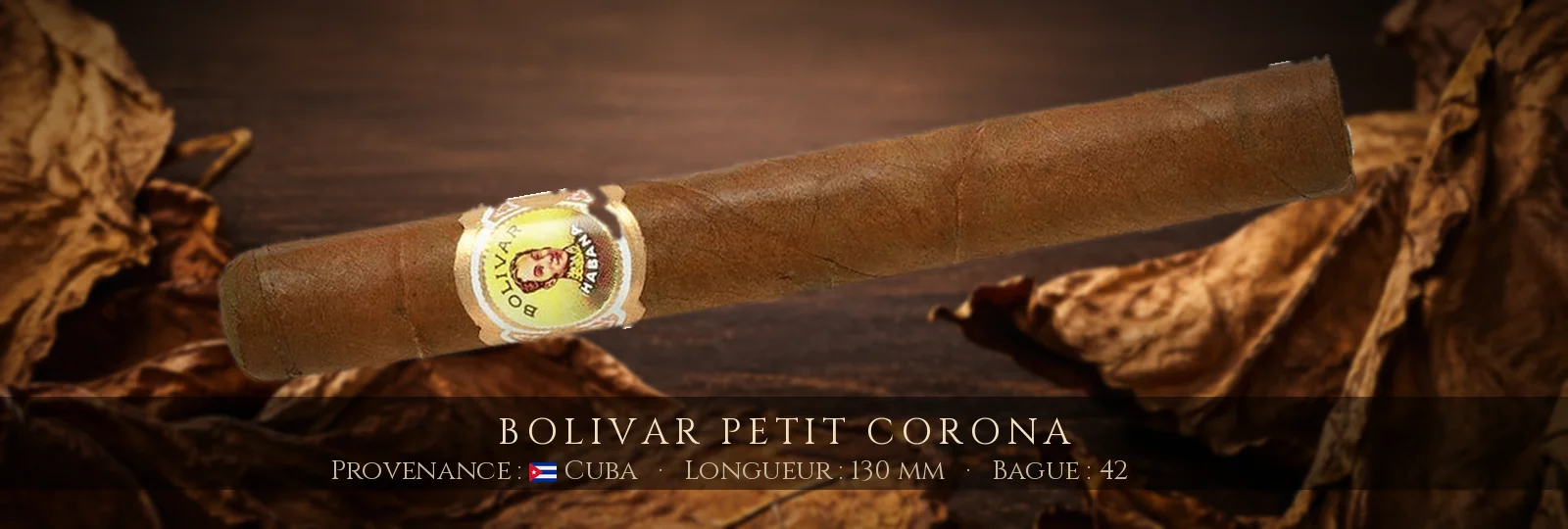
Bolivar Petit Corona10 – 16 €
Tasting notes
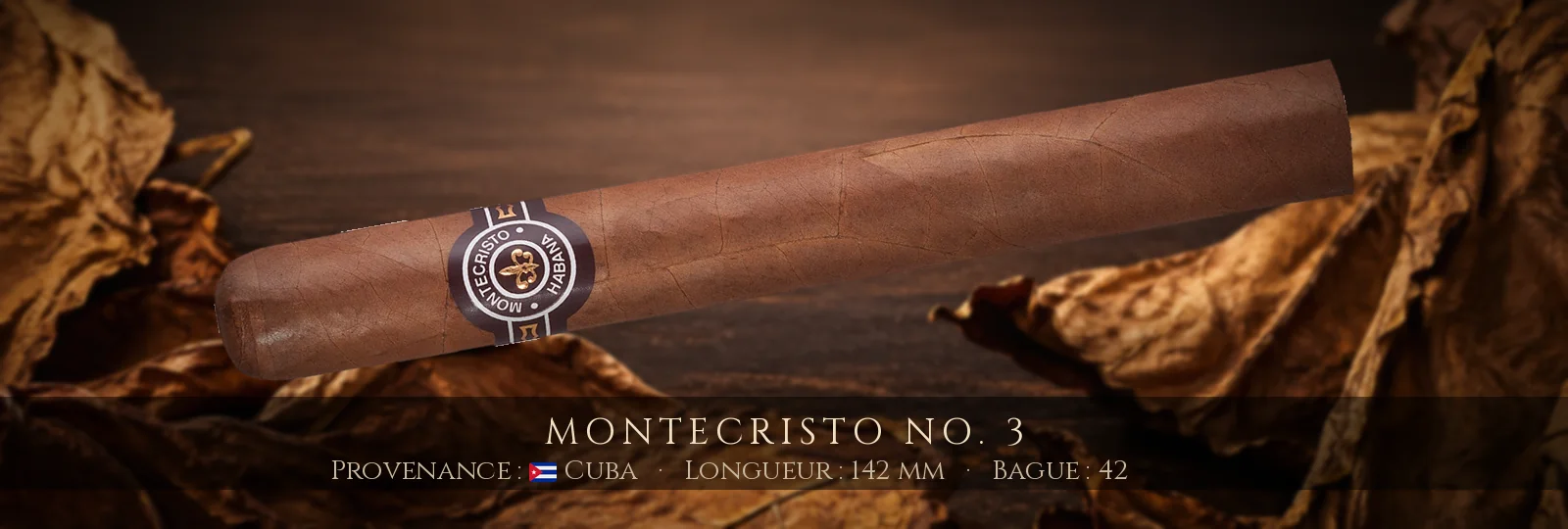
Upon handling, the Montecristo No. 3 reveals itself with a beautifully uniform wrapper, showcasing a classic vitola. The wrapper of this Cuban cigar captivates with its almost silky texture, promising a refined experience.
At the first olfactory contact, a gentle scent of honey emerges, accompanied by earthy and slightly herbal notes. Upon lighting, these pre-light aromas quickly evolve into a broad complexity, integrating nuances of cedar and pepper, as the initial puffs unveil the richness of the Cuban terroir.
On the palate, the Montecristo No. 3 develops harmoniously through its three thirds. Initially, a sweetness intertwined with earthy harmony and hazelnuts settles in, followed by a crescendo of pepper and a slight bitterness, enriching the flavor profile with notes of roasted coffee. Each puff recalls the art of crafting a premium cigar, confirming its reputation in the cigar world.
The finish stretches elegantly, leaving a pleasantly persistent sensation in the mouth. The balance between strength and sweetness is undeniable, making this cigar unique. Its lightness and complexity make it a frequent choice for aficionados seeking a good compromise between strength and flavor.
Ideal for an evening tasting, this cigar pairs harmoniously with a glass of peated whisky, enhancing the cedar and earthy aromas that characterize the Montecristo No. 3 so well. A perfect moment of sharing and an experience not to be missed.
Community impressions
Enthusiasts of this cigar highlight its beautiful complexity and balance. With notes of cedar and pepper, the Montecristo No. 3 is praised for its perfect draw and rich aromas. An experience cherished by aficionados, often described as an essential classic.
How to taste: Montecristo No. 3
▼
1.Visual Examination
The Montecristo No. 3 presents itself with a colorado wrapper, a shiny reddish-brown that is slightly oily. Its dimensions of 142 mm (5⅝") in length and a ring gauge of 42 highlight a straight format, perfectly constructed and visually appealing.
This initial observation allows for an appreciation of the construction quality and anticipates a consistent burn, essential for an optimal tasting experience.
2.Pre-light Aromas
Before lighting the cigar, a deep inhale reveals aromas of cedar, pepper, and damp earth. These notes already express the richness of Cuban tobacco and highlight its aromatic potential.
This step is crucial for establishing taste expectations and anticipating the evolution of the aromas, thus allowing for a better appreciation of the cigar's complexity during tasting.
3.The Cut
Make a standard straight cut just below the cap of the cigar. This method is essential to ensure an adequate draw, thus avoiding potential inconveniences from a poorly executed cut.
A precise cut ensures a consistent draw, a sine qua non condition for fully enjoying the aromas and richness of the Montecristo No. 3.
4.Cold Draw
The cold draw of the Montecristo No. 3 is perfect, offering a pleasant resistance to the airflow. This indicates good humidity and flawless construction.
An optimal draw ensures that the cigar is ready for lighting, thus guaranteeing a smooth and enjoyable smoking experience from the outset.
5.Lighting
When lighting the foot of the cigar, it is essential to ensure it is evenly toasted. A good initial heat will facilitate a balanced burn throughout the tasting.
Taking care with the lighting avoids canoeing issues and ensures that each puff is rich in flavors, setting the stage for a harmonious tasting experience.
6.First Third
The first third of the Montecristo No. 3 reveals a medium strength, accompanied by a moderate smoke volume. The dominant aromas of cedar and pepper manifest with intensity from the very first puffs.
This initial phase is often the most powerful and sets the tone for the tasting — sensing these strong aromas prepares one for the future evolution of flavors.
7.Second Third
During the second third, the cigar balances harmoniously. Secondary aromas such as hazelnut, coffee, and honey emerge, enriching the aromatic profile while maintaining good structure.
This evolution of flavors indicates that the blend of tobaccos is flourishing, offering a glimpse into the complexity and craftsmanship that characterize the Montecristo No. 3.
8.The Finish
At the end of the tasting, the light gray ashes testify to the good quality of the tobacco. The finish is characterized by a slight bitterness, followed by a captivating residual sweetness, with a medium length.
Analyzing the finish allows for an evaluation of the blend quality and the manufacturer's expertise — a pleasant finish is often a sign of a well-crafted cigar, leaving a lasting impression.
Community tasting notes
Have you smoked this cigar?
Be the first to share your tasting. Your review helps thousands of enthusiasts make the right choice.
✍️ Write a tasting note