
Ratings & reviews
Editorial score
Community score
Be the first
Organoleptic profile
Strength
mild
Balance
medium
Draw
tight
Intensity
subtle
- Bouquet
- simple
- Finish
- medium
- Ash color
- gray
- Smoke output
- light
Aroma profile
Dominant aromas
Secondary aromas
Similar cigars
Based on strength, aromas, format and wrapper origin — for a comparable tasting experience.
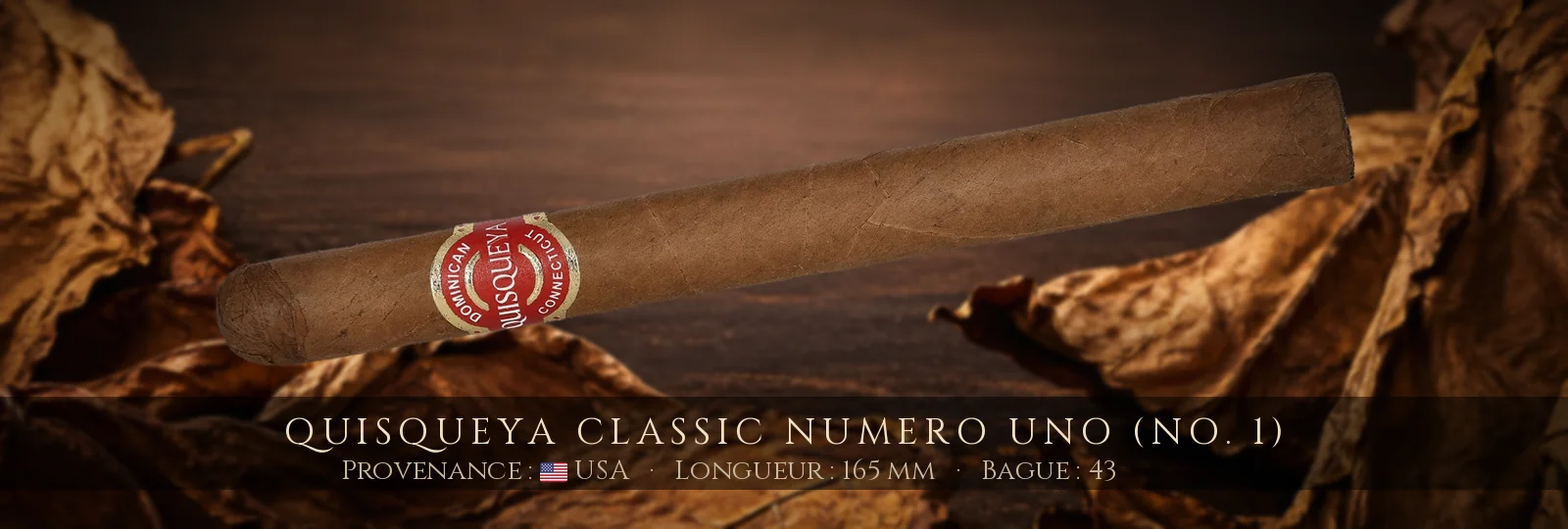 77% match
Quisqueya
Quisqueya Classic Numero Uno (No. 1)2.5 – 4.5 €
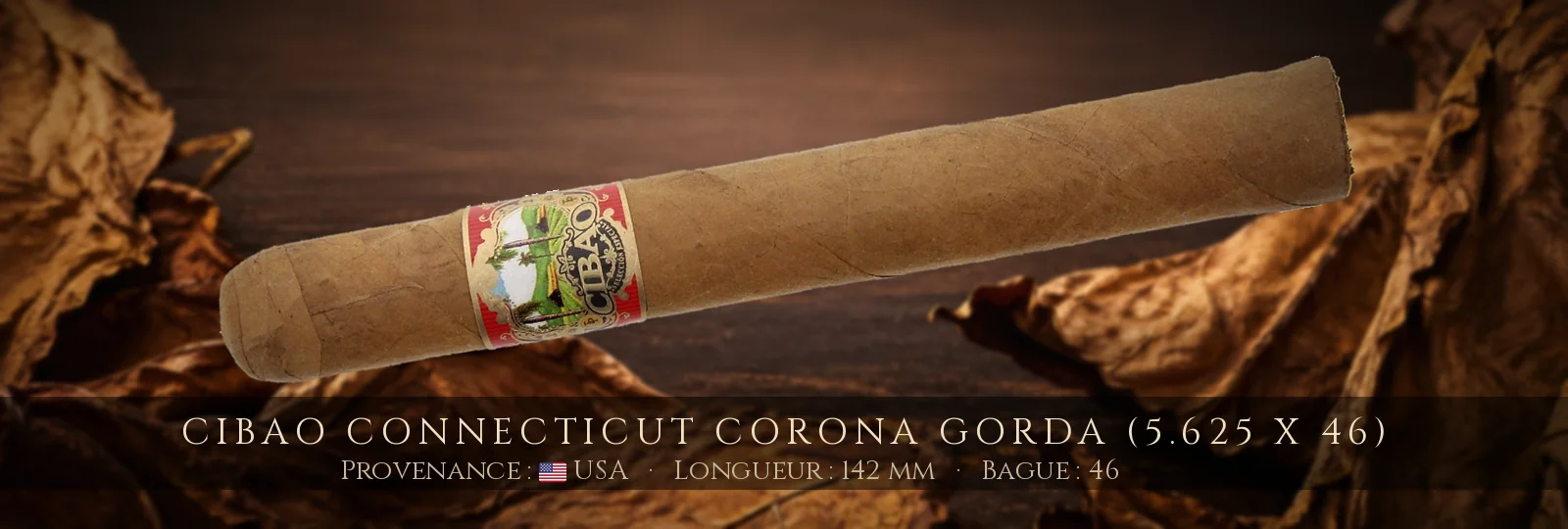 77% match
Cibao
Cibao Connecticut Corona Gorda (5.625 x 46)4 – 6.5 €
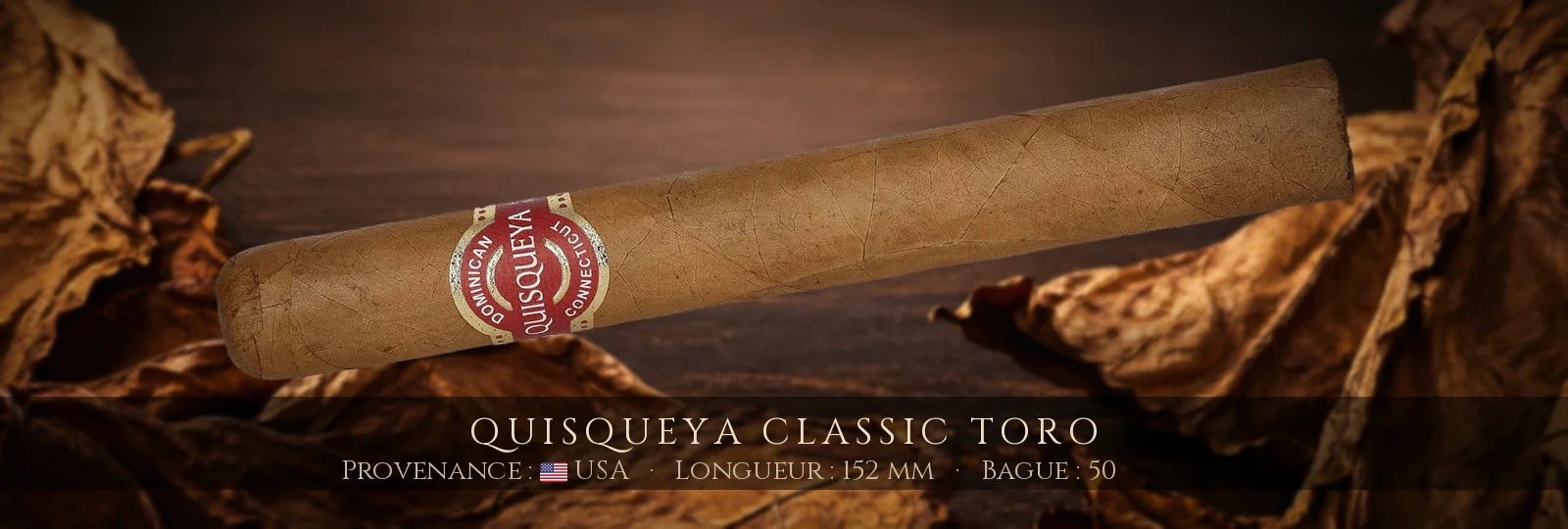
 73% match
Quisqueya
Quisqueya Classic Numero Dos (No. 2)2.5 – 4 €
Tasting notes
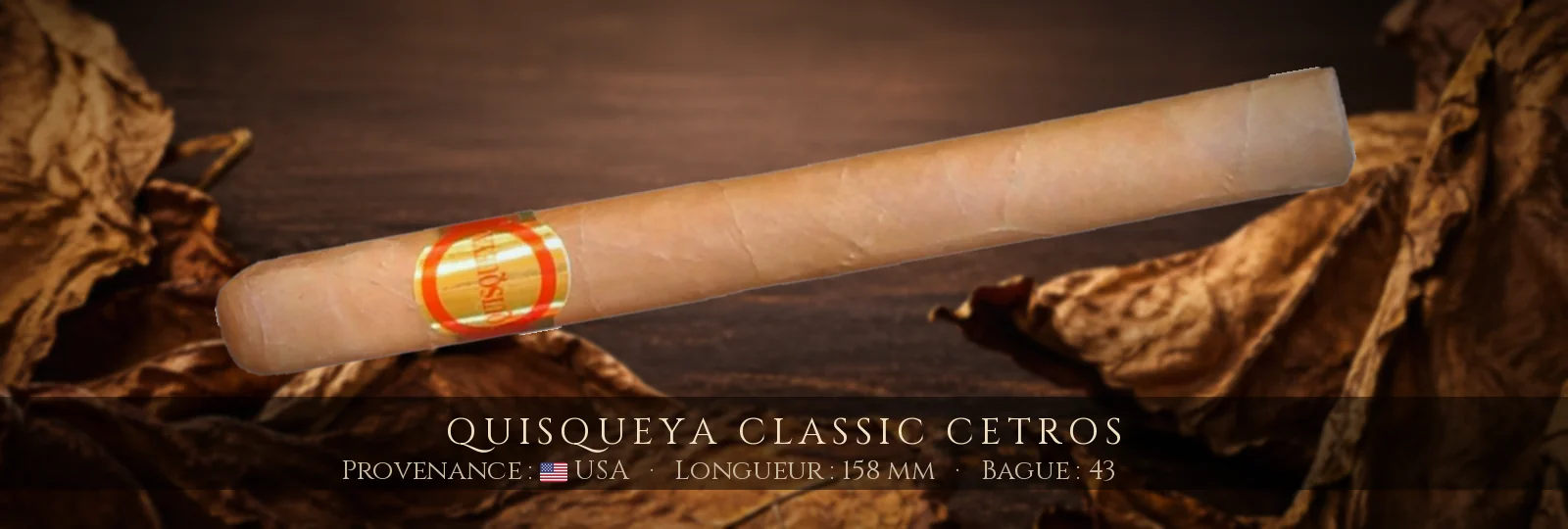
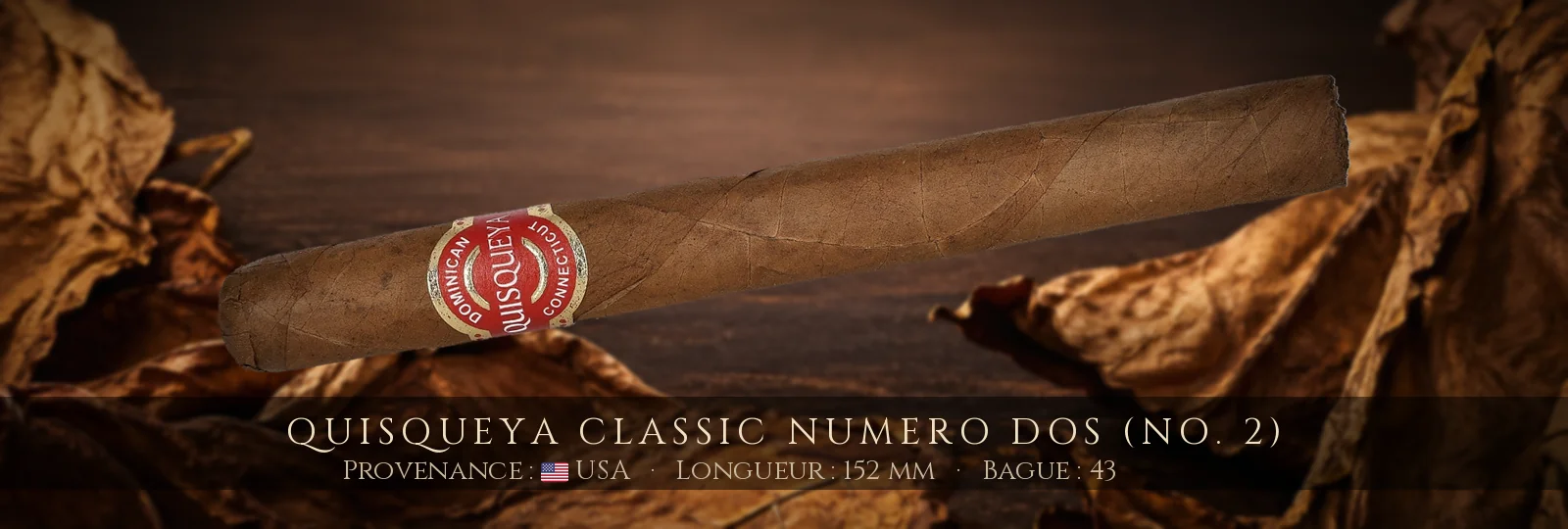
The Quisqueya Classic Cetros, a creation straight from the USA, stands out with its elegant format of 158.8 mm (6¼") in length and 17.1 mm (⅝") in diameter. Its wrapper, featuring a beautiful uniform tone, catches the eye, and the texture of the leaf is soft and silky to the touch. The cigar presents a neat appearance, well-rolled, but seems fragile in its structure, which can make the tasting somewhat delicate.
Upon the first olfactory contact, this cigar reveals delicate floral aromas that awaken the senses. Upon lighting, notes of hazelnut and vanilla gradually emerge, offering a charming initial evolution, albeit subtle. However, a difficult draw may hinder the exploration of these subtle aromas, making the experience a tad frustrating.
On the palate, the complexity remains modest, slowly evolving over the three thirds, with a balance between sweetness and reticence. Woody notes and hints of cocoa enrich the tasting experience, but the aromatic progression remains timid. The cigar demands a certain patience, as frequent draws can induce a slight bitterness at the end of the tasting.
The final sensation in the mouth translates to a residual sweetness mingled with a slight bitterness. The finish is medium, and while the balance between strength and sweetness is acceptable, the cigar could benefit from better consistency. What makes it unique is this touch of surprise, where each puff holds a small revelation, even if it remains discreet.
Ideal for afternoon enjoyment, this cigar would pair well with a cup of light coffee or a gentle tea, allowing its delicate aromas to harmonize with a soothing beverage.
Community impressions
Enthusiasts of this cigar highlight its pleasant character and smoothness, although they note difficulties with the draw. The aromatic complexity, featuring floral notes and hints of hazelnut, is appreciated, but some lament a certain fragility in the construction of the cigar. On the finish, a slight bitterness is noted, which may be a point of discussion among aficionados.
How to taste: Quisqueya Classic Cetros
▼
1.The Visual Examination
The Quisqueya Classic Cetros features a medium brown wrapper, typical of American cigars. Its Coronas format, measuring 158.8 mm (6¼") with a ring gauge of 43, gives it an elegant appearance, but its construction is deemed poor, which may raise concerns about its burn.
A careful observation allows for the identification of potential defects that could affect the tasting experience, particularly regarding draw and burn.
2.Pre-light Aromas
Before lighting, the cigar reveals delicate pre-light aromas of white flowers, hazelnut, and vanilla. These floral and sweet notes are promising and invite exploration, despite the difficulty of the draw.
Perceiving the pre-light aromas provides insight into the richness of the tobacco used – it prepares the palate for a potentially varied tasting experience upon lighting.
3.The Cut
The standard cut under the cap is performed with care to ensure optimal access to the filler of the Quisqueya Classic Cetros. This step is crucial for an enjoyable draw.
A well-executed cut ensures a smooth airflow, an essential element for a harmonious tasting experience, especially important given the reported difficulty of the draw.
4.The Cold Draw
The cold draw proves difficult, which may indicate excessive compaction of the filler or a construction defect. This requires special attention before lighting the cigar.
Evaluating the cold draw allows for the identification of possible manufacturing issues, thus providing the opportunity to correct the situation before beginning the tasting.
5.Lighting
Lighting requires special attention to ensure an even burn. It is crucial to properly toast the foot of the cigar to avoid uneven combustion that could detract from the experience.
A careful lighting is fundamental to avoid the inconveniences of a canoe, which could affect the development of aromas throughout the tasting.
6.First Third
The first third presents a mild strength, with dominant aromas of white flowers, hazelnut, and vanilla. The smoke volume is low, which may influence the intensity of the flavors.
This stage allows for calibrating expectations in terms of strength and aromas, preparing the taster for an experience that, while gentle, may intensify later on.
7.Second Third
In this third, an evolution of flavors is observed, with notes of wood and chocolate emerging as secondary aromas. The balance is moderate, bringing a subtle yet pleasant complexity.
Understanding how the aromas evolve in this third is essential for appreciating the richness of a cigar, revealing the depth of the blends and their potential for complexity.
8.The Finish
The gray ash indicates a consistent burn, and the finish offers a gentle bitterness along with a pleasing mouthfeel. The finish is medium, leaving a soft trace.
Analyzing the finish allows for judging the overall quality of the experience, both through the persistence of flavors and the final impact on the palate, reflecting good drying and a balanced blend.
Community tasting notes
Have you smoked this cigar?
Be the first to share your tasting. Your review helps thousands of enthusiasts make the right choice.
✍️ Write a tasting note