
Ratings & reviews
Editorial score
Community score
Be the first
Organoleptic profile
Strength
medium
Balance
good
Draw
perfect
Intensity
expressive
- Bouquet
- complex
- Finish
- medium
- Ash color
- gray
- Smoke output
- medium
Aroma profile
Dominant aromas
Secondary aromas
Similar cigars
Based on strength, aromas, format and wrapper origin — for a comparable tasting experience.
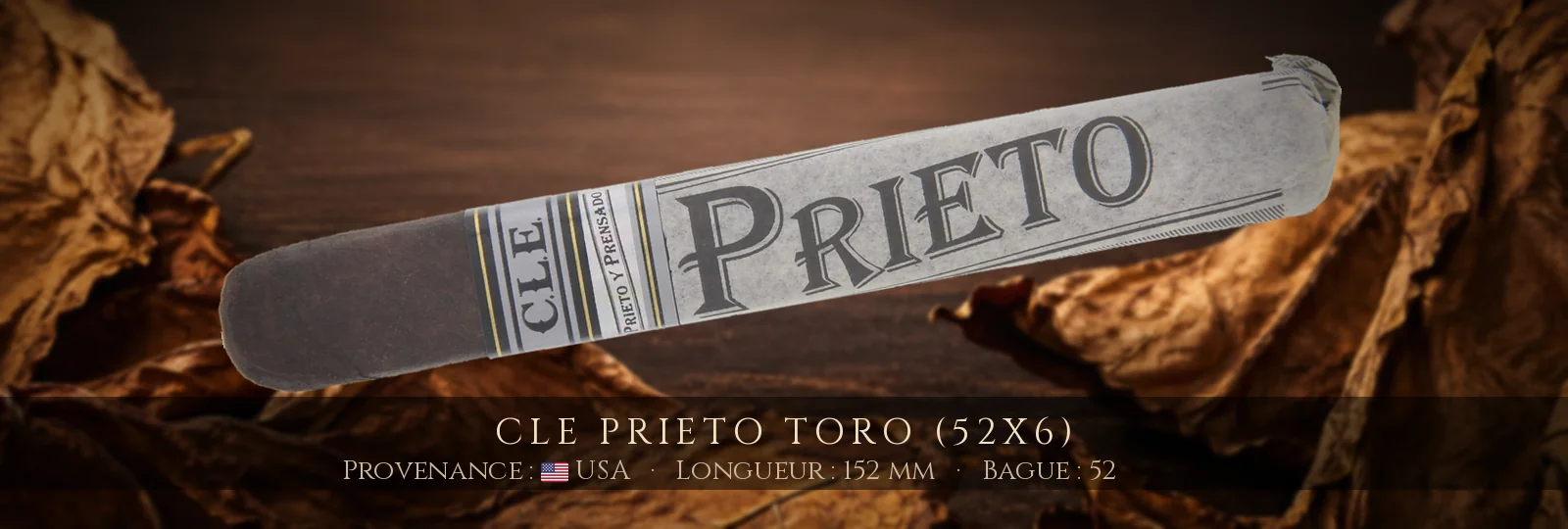
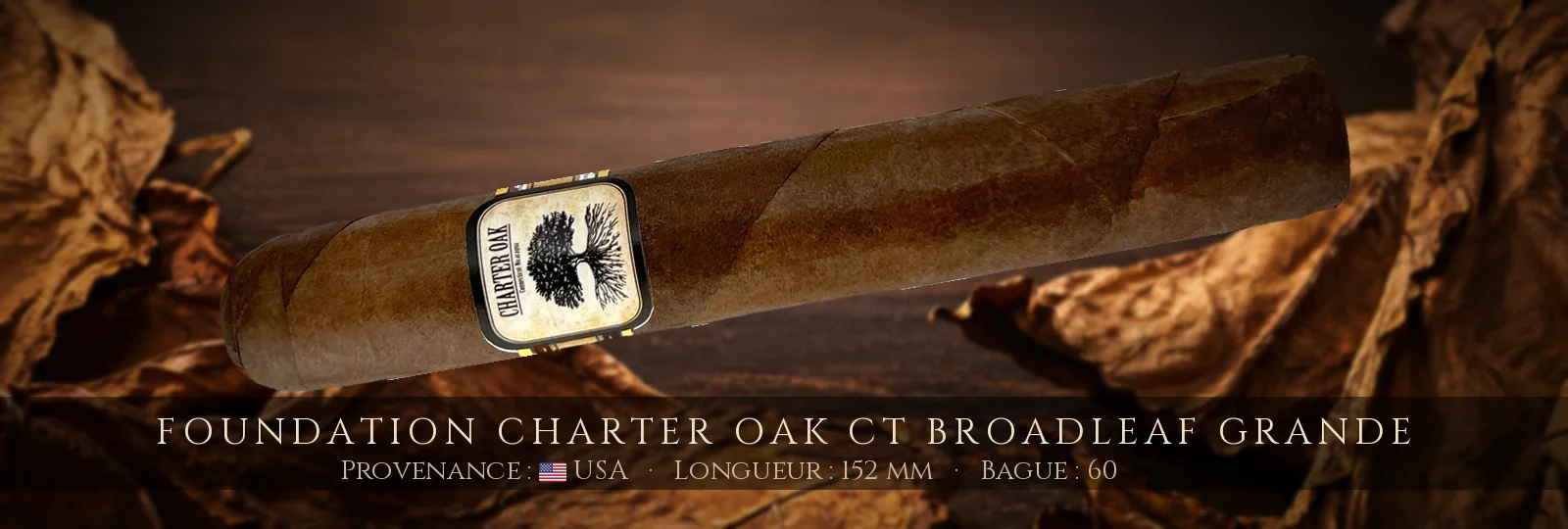 78% match
Foundation
Foundation Charter Oak CT Broadleaf Grande8 – 12.5 €
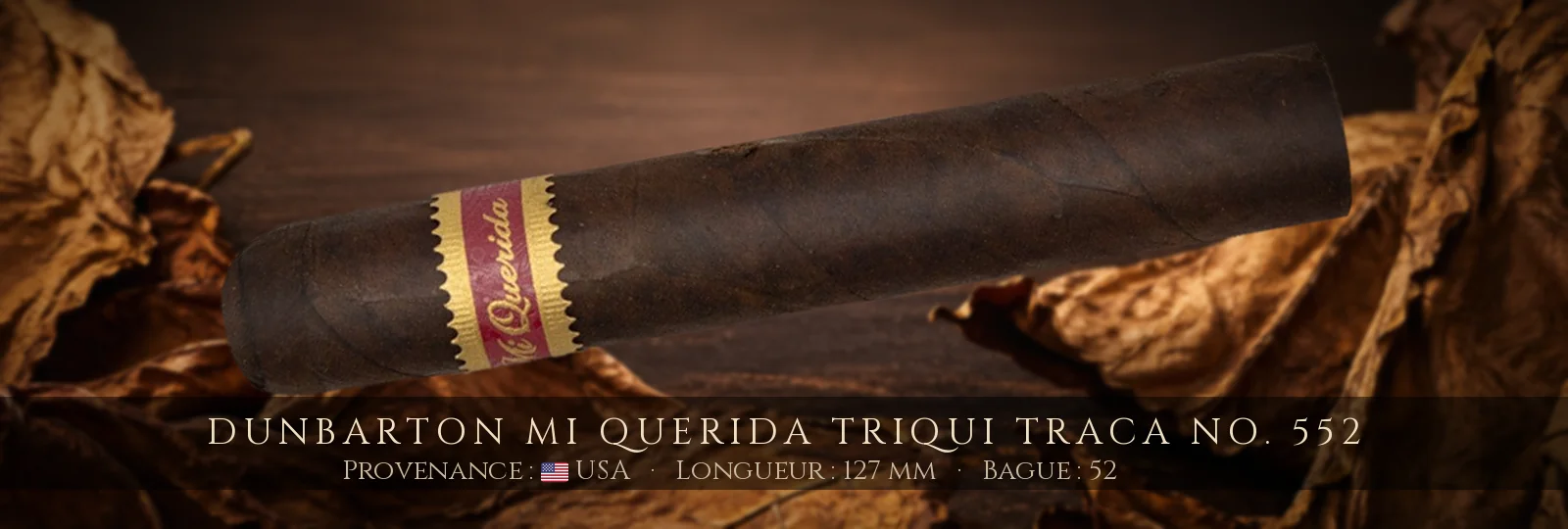 77% match
Dunbarton
Dunbarton Mi Querida Triqui Traca No. 5529 – 15 €
Tasting notes
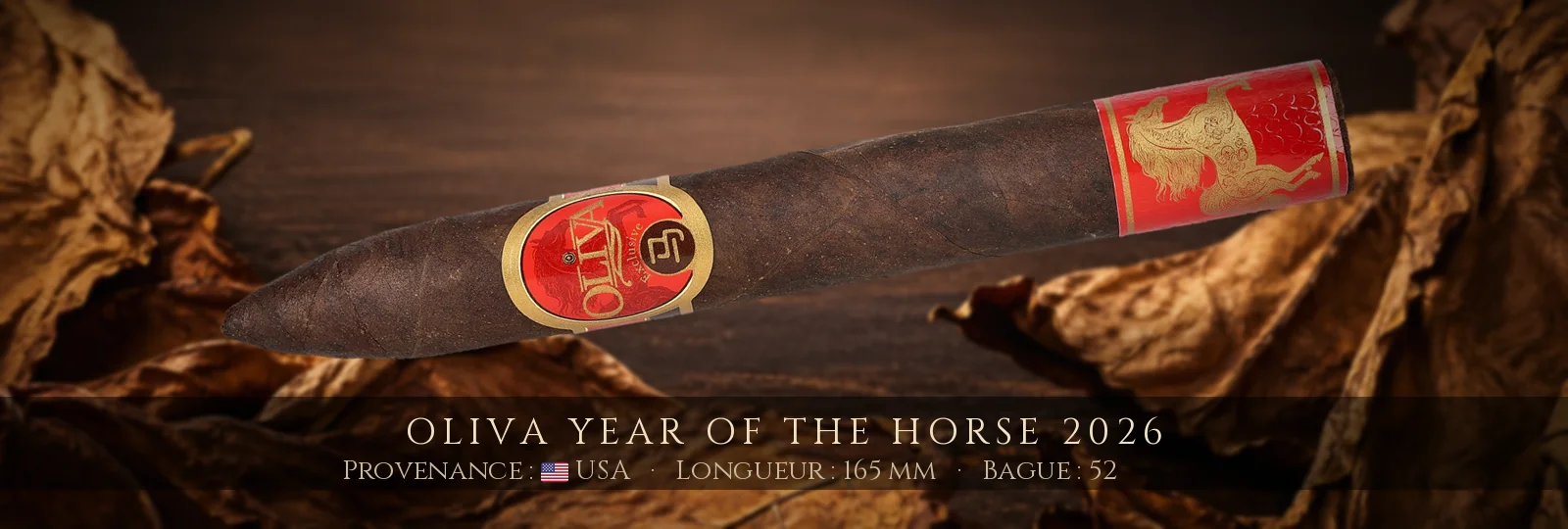
The Oliva Year of the Horse 2026 presents a seductive appearance, with its brown hues and silky texture. Its wrapper is meticulously crafted, showcasing a high-quality artisanal skill. Upon handling, the construction feels solid, although the visual aspect may not appeal to everyone, with an ash that does not hold for long.
From the first olfactory contact, it reveals itself to be quite timid, primarily disclosing notes of cream and a subtle hint of sweetness. Upon lighting, these pre-light aromas slowly develop to give way to a light roasting, enriching the experience with toasted notes. As the cigar progresses, it blossoms into complex olfactory symphonies.
On the palate, this cigar unfolds a noble and refined array of flavors. The development of the aromas intensifies over three thirds, transitioning from a creamy and slightly sweet creation to richer nuances of coffee, wood, and fruit. The depth is accentuated by earthy and nutty notes, offering intriguing complexity and beautiful coherence throughout the tasting.
The finish is marked by a pleasant sensation, characterized by a slight sweetness that lingers in the mouth and a subtle balance between strength and softness. Its length is medium, adding to the experience without becoming overwhelming. This cigar stands out for its unique character, blending finesse and tradition.
For an ideal moment, this Oliva Year of the Horse is best enjoyed with a coffee in the middle of the day, providing a perfect complement to its coffee and cream aromas, transporting you with each puff.
Community impressions
Praised by enthusiasts, this cigar offers a rich olfactory and gustatory experience, although it presents a somewhat moderate intensity at the outset. The pre-light aromas of coffee and cream unfold harmoniously, gradually revealing a pleasant complexity. Its balance and structure make it an enticing choice for aficionados in search of a delightful discovery.
How to taste: Oliva Year of the Horse 2026
▼
1.Visual Examination
The Oliva Year of the Horse 2026 showcases a medium brown wrapper with a beautifully constructed profile. Its torpedo vitola, measuring 165.1 mm (6½") in length and a ring gauge of 52, presents an elegant silhouette that captivates the eye.
The visual aspect allows for an assessment of the craftsmanship quality and anticipates a potential tasting experience, as a beautiful presentation often signifies particular care in the production process.
2.Pre-light Aromas
Before lighting, an inhalation of the aromas reveals notes of coffee, cream, and fruit. These olfactory impressions provide a glimpse into the flavors the cigar may offer once lit.
The aromas captured at this stage are the most representative of the raw tobacco, allowing for refined expectations and guiding the aromatic perception during tasting.
3.The Cut
Due to the conical shape of the Oliva Year of the Horse 2026, the cut must be performed carefully at the pointed tip to ensure an optimal draw. A clean cut preserves the integrity of the wrapper and filler.
An appropriate cut enhances airflow and influences the burn, minimizing the risk of an unpleasant experience due to obstruction or uneven combustion.
4.Cold Draw
The cold draw of the cigar is perfect, indicating a smooth and consistent airflow. This step allows one to experience the aromas without lighting.
An adequate draw is essential to anticipate the quality of the burn and ensure that the tasting will be enjoyable, without unpleasant surprises during the smoke.
5.Lighting
Lighting the Oliva Year of the Horse 2026 requires particular attention to ensure an even burn at the foot of the cigar. A good toasting at the beginning is essential.
A careful lighting prevents canoeing and ensures that the aromas develop harmoniously from the start of the tasting.
6.First Third
The first third of the cigar reveals a medium strength, dominated by intense aromas of coffee, cream, and fruit, while producing a medium volume of smoke.
This initial contact with the cigar is crucial for establishing a first impression, allowing one to appreciate the aromatic richness it has to offer right from the beginning.
7.Second Third
During the second third, the cigar evolves into secondary aromas of wood, hazelnut, and damp earth, while maintaining a good balance among the flavors.
This phase of tasting reveals the complexity of the blend, offering a richer and more balanced sensory experience that reflects the quality of the tobaccos used.
8.The Finish
At the end of the smoke, the gray ash indicates a proper burn, while a slight sweetness lingers in the mouth with a pleasant finish.
The appearance of the ash and the mouthfeel at the end of the tasting are key indicators of the tobacco quality and the drying of the leaves, confirming the overall experience of the cigar.
Community tasting notes
Have you smoked this cigar?
Be the first to share your tasting. Your review helps thousands of enthusiasts make the right choice.
✍️ Write a tasting note