
Ratings & reviews
Editorial score
Community score
Be the first
Organoleptic profile
Strength
medium
Balance
good
Draw
perfect
Intensity
expressive
- Bouquet
- complex
- Finish
- medium
- Ash color
- gray
- Smoke output
- medium
Aroma profile
Dominant aromas
Secondary aromas
Similar cigars
Based on strength, aromas, format and wrapper origin — for a comparable tasting experience.
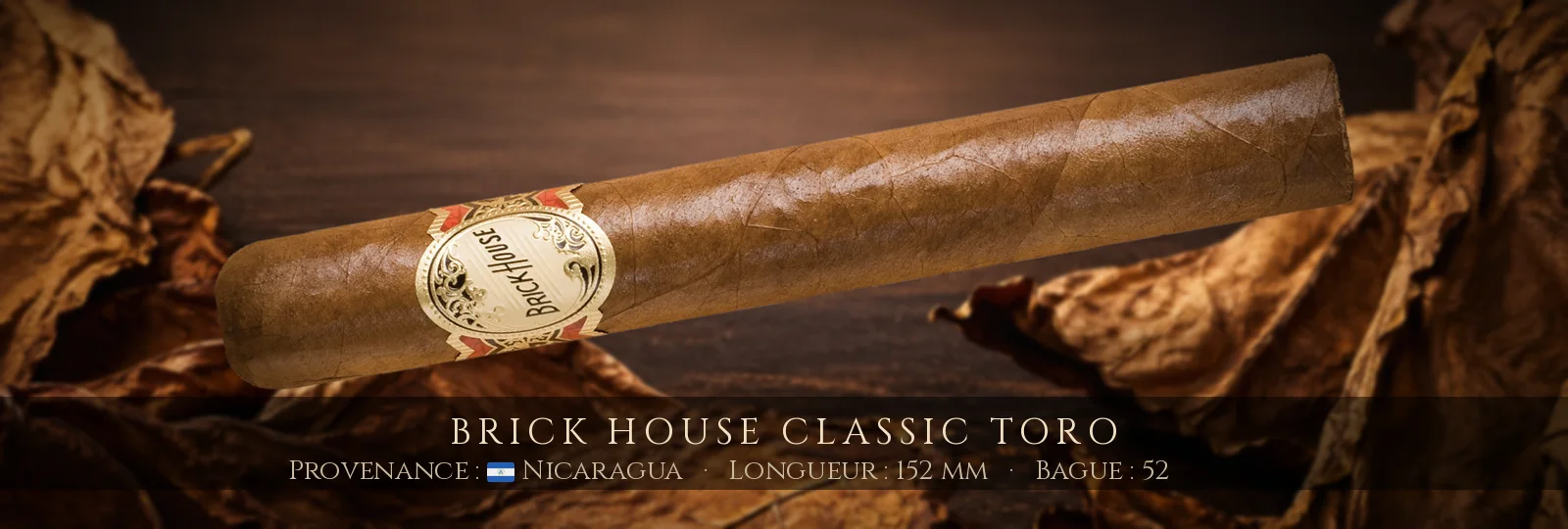 91% match
Brick House
Brick House Classic Toro6 – 9.5 €
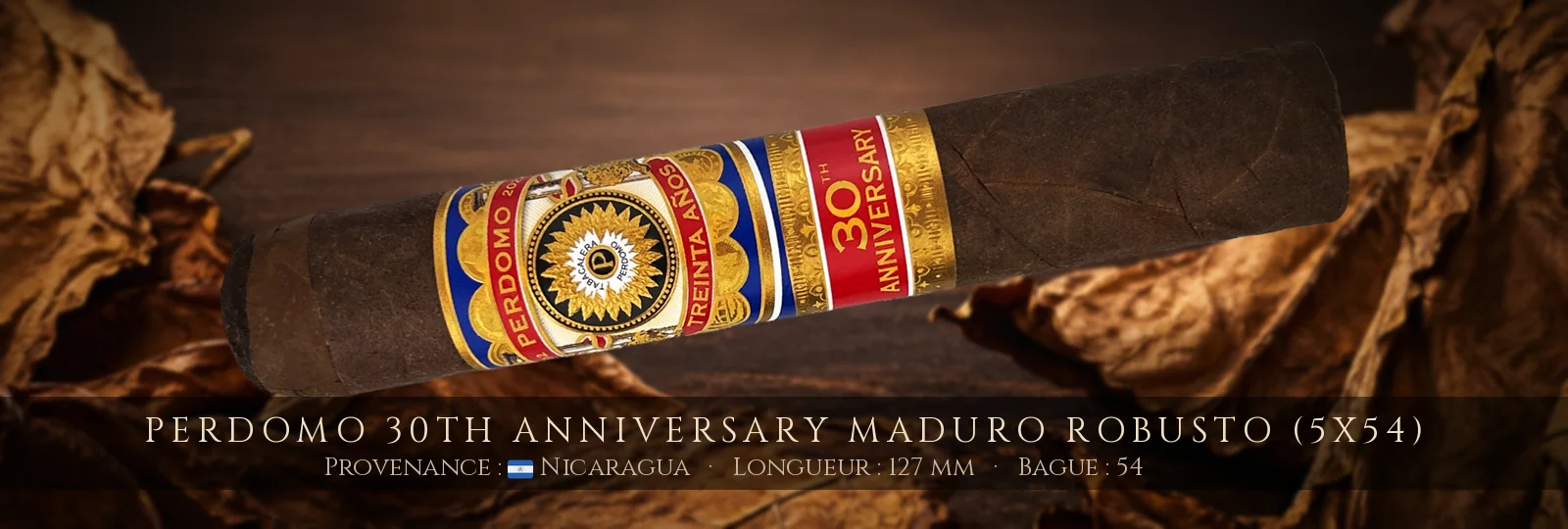 91% match
Perdomo
Perdomo 30th Anniversary Maduro Robusto (5x54)14 – 22 €
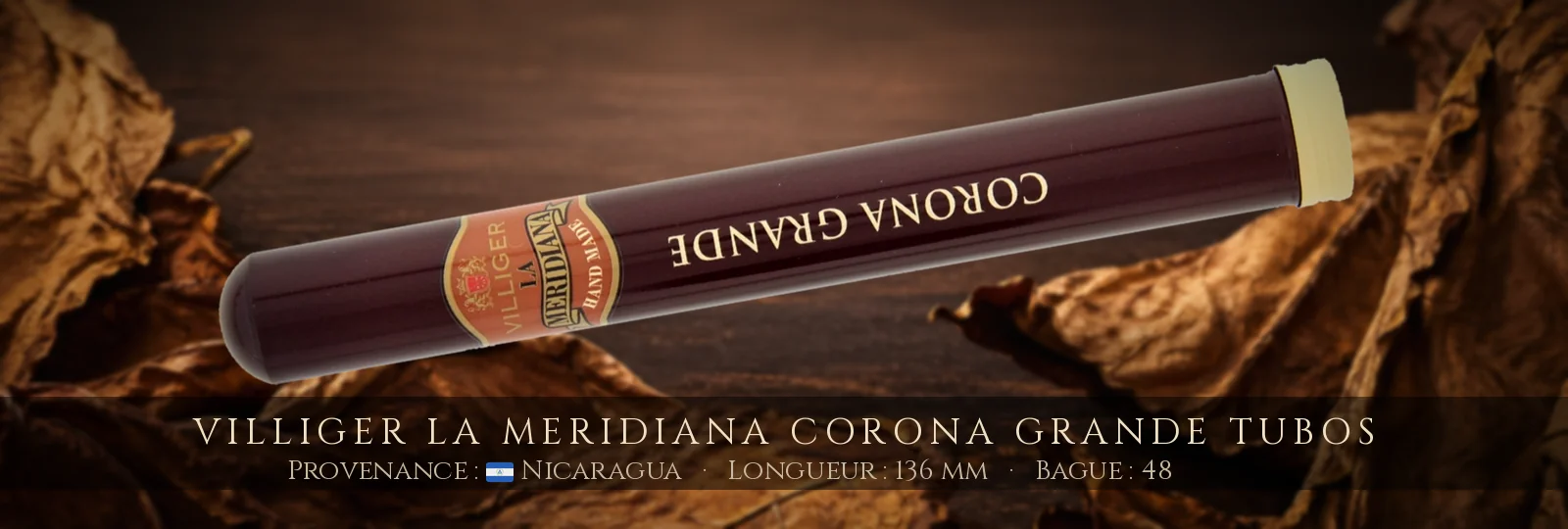 90% match
Villiger
Villiger La Meridiana Corona Grande Tubos6 – 9.5 €
 89% match
Joya de Nicaragua
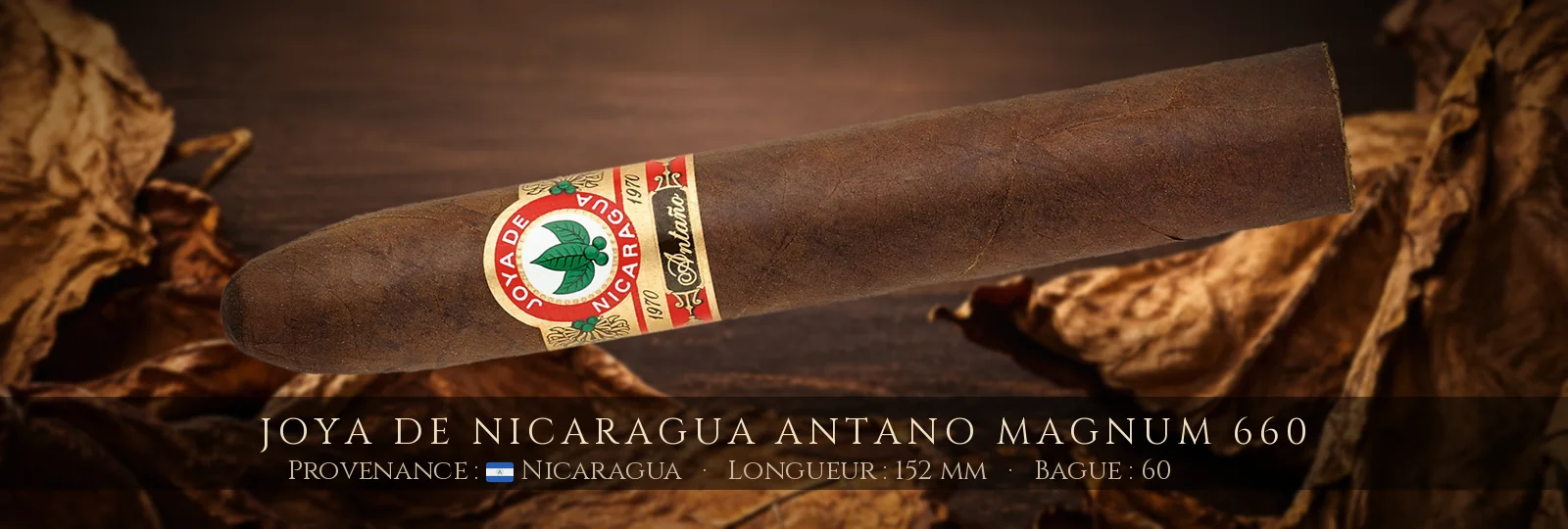
Joya de Nicaragua Antano Magnum 6609 – 15 €
Tasting notes
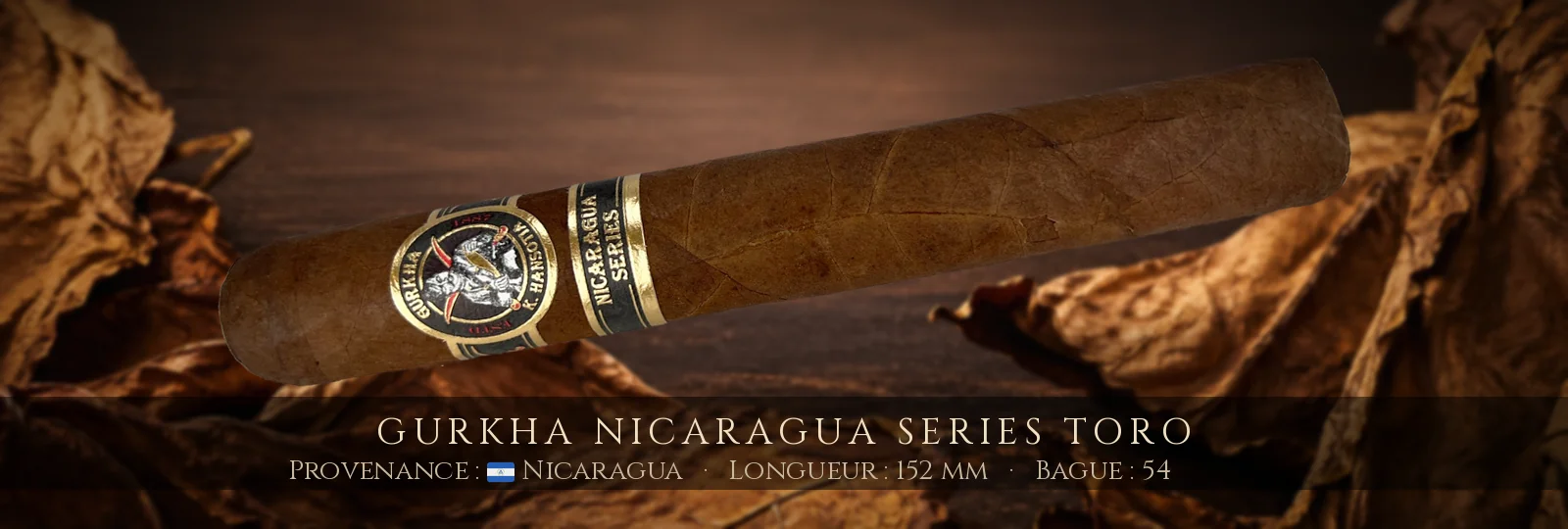
The Gurkha Nicaragua Series Toro presents itself with an elegant appearance, offering a smooth and silky texture in hand. Its uniform color reveals undeniable craftsmanship. Upon lighting, the cigar's look and robust structure already captivate the eyes, foreshadowing a rich flavor experience.
At the first olfactory contact, this cigar unveils delicate pre-light aromas, subtly blending notes of wood and spices. Upon lighting, the complexity intensifies with the emergence of nuances of coffee, enriched by light and spicy touches. This first third invites a beautiful aromatic exploration, heralding a promising evolution.
On the palate, the progression is harmonious. The development of flavors operates across the three thirds with remarkable coherence. The taste of coffee gradually asserts itself, accompanied by nuances of bitter chocolate and toasted notes. Each puff accentuates the aromas, creating a sensory experience where lightness intertwines with a flavorful solidity, never losing balance.
In the finish, you will experience a beautiful persistence in the mouth, accompanied by a slight bitterness. The length is medium, and the balance between strength and sweetness remains pleasant, offering an enjoyable and accessible experience. The Gurkha Nicaragua Series Toro truly stands out for its character and aromatic richness, making this moment unique.
To fully enjoy this cigar, consider it during a quiet evening, accompanied by a good black coffee or a lightly peated whisky, thereby enhancing its aromatic beauty and depth.
Community impressions
Enthusiasts of this cigar highlight the pleasant harmony between the pre-light aromas of coffee, bitter chocolate, and wood. With a beautiful finish and a smooth texture, the Gurkha Nicaragua Series Toro offers a satisfying smoking experience, combining richness and complexity.
How to taste: Gurkha Nicaragua Series Toro
▼
1.The Visual Examination
The Gurkha Nicaragua Series Toro features a deep brown, slightly textured wrapper that catches the eye. Its construction is very beautiful, promising a pleasant smoking experience thanks to its Toro format of 152.4 mm (6") and a ring gauge of 54.
Observing the color and texture of the wrapper provides insight into the quality of the tobacco and its aging — a beautiful presentation is often a sign of particular care taken in the manufacturing process.
2.Pre-Light Aromas
Before lighting the cigar, take a moment to smell its shaft. You will detect dominant aromas of coffee and chocolate, enriched by subtle spicy and toasted notes.
This step is crucial as the pre-light aromas are indicative of the nature of the tobaccos used — they allow you to anticipate the flavor profile that will unfold during the burn.
3.The Cut
Make a standard straight cut just below the cap, which is essential to ensure an easy draw. This technique preserves the integrity of the cigar while facilitating an optimal smoking experience.
An appropriate cut is critical to avoid draw issues and ensure an even burn — a poorly executed cut can compromise the entire tasting experience.
4.Cold Draw
Test the cold draw before lighting. This cigar offers a perfect draw, indicating that the construction is meticulous and that air circulation will be smooth during smoking.
This check helps to detect any potential construction defects before lighting — a blocked draw may require adjustments to ensure a seamless tasting experience.
5.Lighting
Proceed to light the cigar, ensuring to toast the foot evenly. A good lighting technique will be crucial to avoid canoeing during the tasting.
A careful lighting is essential to ensure that the cigar burns evenly, allowing for an optimal experience from the very first puffs.
6.First Third
From the outset, the cigar reveals a medium strength with dominant aromas of coffee and chocolate. The volume of smoke is also medium, offering a nice texture on the palate.
The first third is often the most intense, and understanding its strength allows for a better appreciation of the cigar's evolution — smoking slowly will help balance the tasting.
7.Second Third
In this segment, secondary aromas, such as spices and toasted notes, begin to emerge. The balance is good, offering increasing complexity without the strength becoming overwhelming.
The transition to the second third is indicative of the complexity of the blend — this is where the nuances fully reveal themselves, enriching the overall experience.
8.The Finish
At the end of the tasting, the gray ashes testify to the quality of the tobacco. A beautiful finish is noted, accompanied by a slight bitterness that concludes the experience.
Examining the ashes and the finish provides clues about the minerality of the tobacco and the quality of its drying — a beautiful conclusion highlights the richness and depth of the cigar's aromas.
Community tasting notes
Have you smoked this cigar?
Be the first to share your tasting. Your review helps thousands of enthusiasts make the right choice.
✍️ Write a tasting note