
Ratings & reviews
Editorial score
Community score
Be the first
Organoleptic profile
Strength
medium
Balance
medium
Draw
slightly tight
Intensity
subtle
- Bouquet
- simple
- Finish
- short
- Ash color
- gray
- Smoke output
- medium
Aroma profile
Dominant aromas
Secondary aromas
Similar cigars
Based on strength, aromas, format and wrapper origin — for a comparable tasting experience.
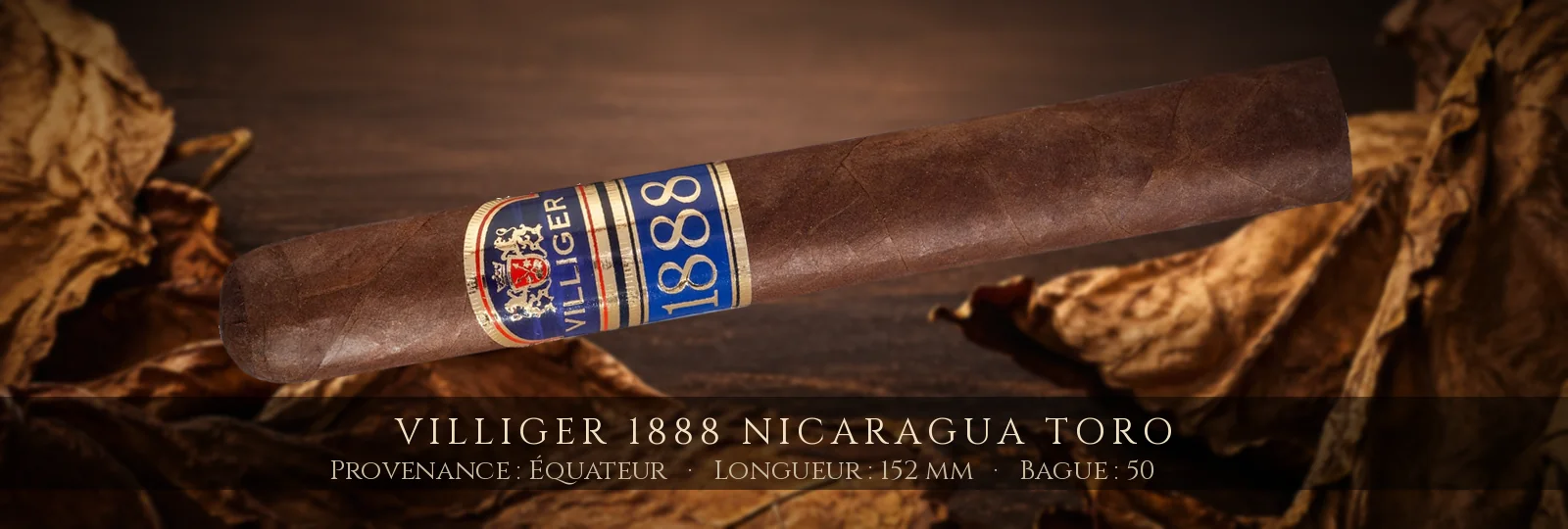 82% match
Villiger
Villiger 1888 Nicaragua Toro8 – 13 €
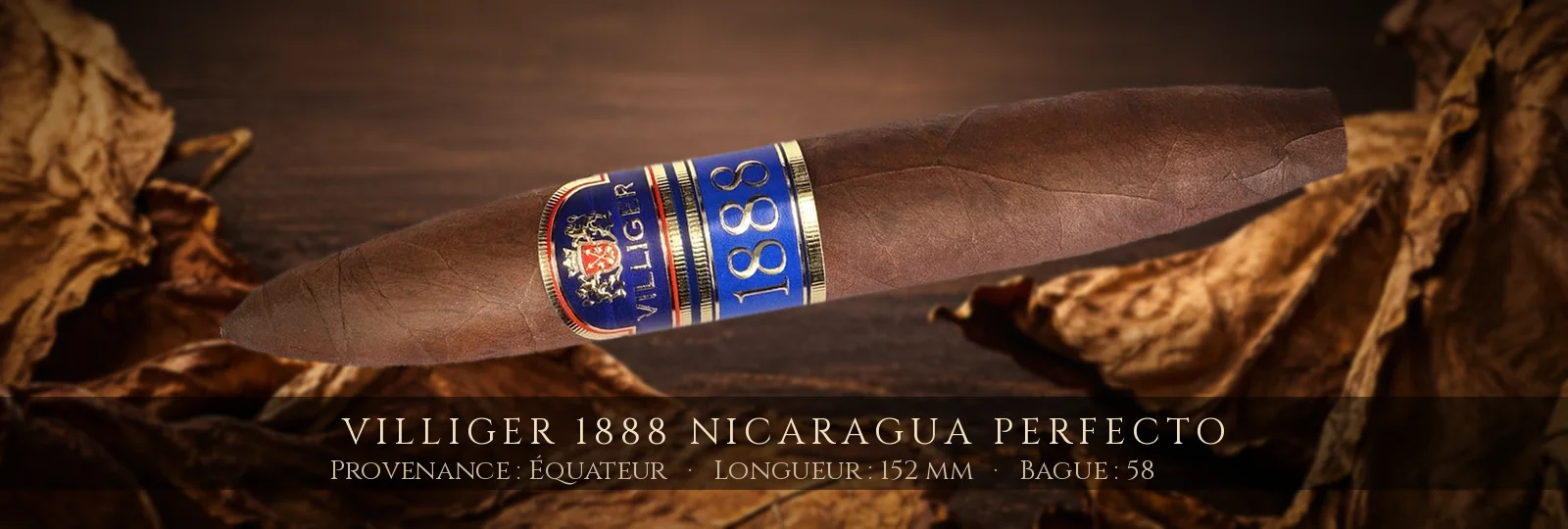 82% match
Villiger
Villiger 1888 Nicaragua Perfecto8 – 12 €
 80% match
Rocky Patel
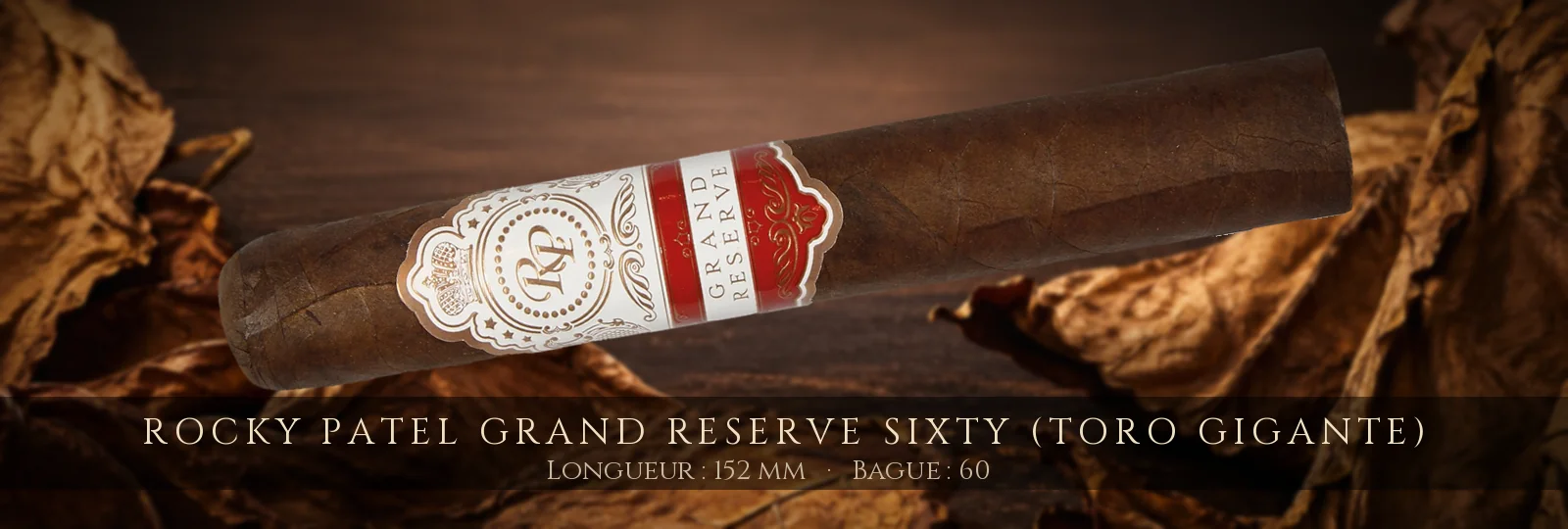
Rocky Patel Grand Reserve Sixty (Toro Gigante)12 – 19 €
Tasting notes
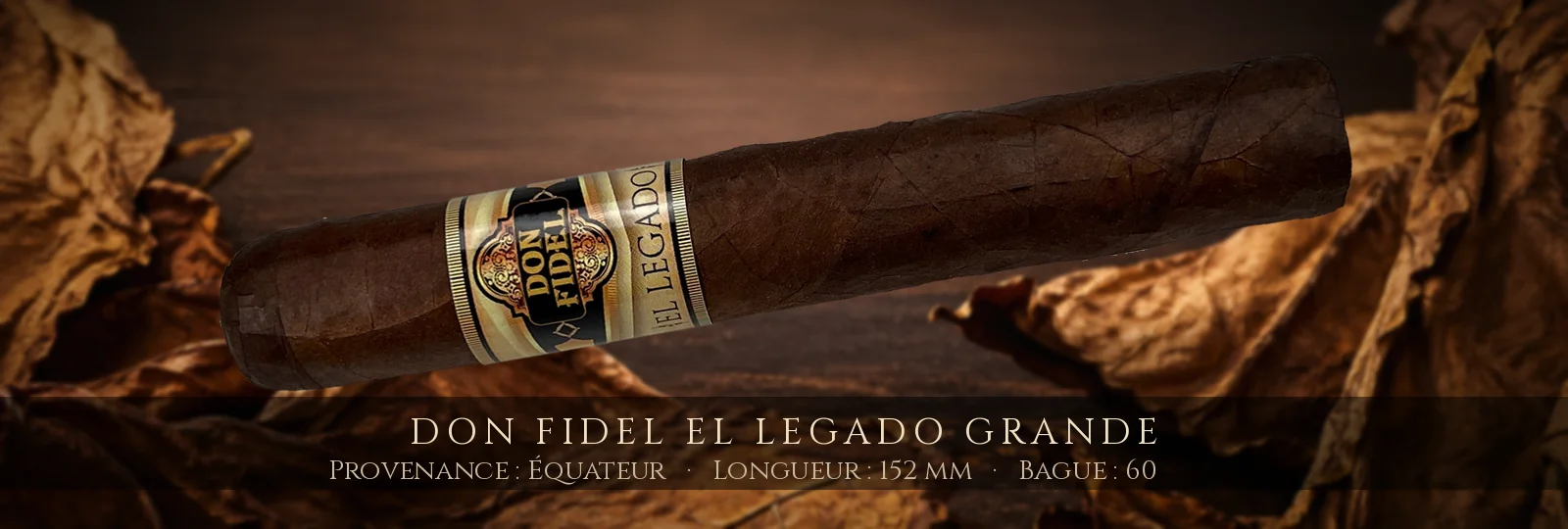
The Don Fidel El Legado Grande showcases a seductive wrapper with a beautiful binder, revealing a silky texture upon handling. Its format of 152.4 mm (6") in length and 23.8 mm (⅞") in diameter suggests a prolonged moment of enjoyment. The presentation is meticulous, highlighting Ecuadorian craftsmanship.
Upon first contact, the pre-light aromas are subtle yet inviting. Notes of earth, coffee, and cocoa emerge delicately, promising an interesting experience upon lighting. As the cigar ignites, a slight evolution is perceived, but without significant intensity or aromatic surprises.
On the palate, the flavor development is linear, and the aromas remain primarily in the background, lacking the expected complexity. While the first and second thirds provide a certain homogeneity, the final third struggles to deliver a striking finish, leaving a sensation of a short length and a medium balance between strength and sweetness.
The final sensation presents with a slight bitterness and a fine texture, without much persistence. This cigar is ideal for those who appreciate a mild profile, although it does not stand out for its aromatic richness. You might consider pairing the Don Fidel El Legado Grande with a black coffee to accentuate its nuances.
This cigar adds a touch of elegance to the tasting moment, but it may not win over all palates due to its tendency not to evolve vigorously.
Community impressions
Enthusiasts of this cigar highlight its well-crafted appearance and beautiful presentation. However, some lament a lack of development in the pre-light aromas during smoking, noting a generally linear experience with little finish.
How to taste: Don Fidel El Legado Grande
▼
1.The Visual Examination
The Don Fidel El Legado Grande presents a natural appearance with a light brown to golden wrapper that feels silky to the touch. This Toro Gordo format measures 152.4 mm (6") with a ring gauge of 60, giving it a beautiful visual presence in the hand.
Examining the color and texture of the wrapper allows you to anticipate the aromatic richness of the cigar. Poor construction can also signal potential irregularities in the draw or burn.
2.Pre-light Aromas
Before lighting, take the time to smell the cigar and note the pre-light aromas of damp earth, coffee, and chocolate that emerge, enriched by woody and spicy notes in the background.
This preliminary step provides a faithful insight into the aromas before heat influences their perception. It helps prepare your palate for the nuances to come during the tasting.
3.The Cut
Use a standard straight cut for the Don Fidel El Legado Grande, ensuring a clean cut just below the cap. This helps avoid damaging the delicate wrapper.
A precise cut is essential to ensure an even draw. A poorly executed cut can lead to draw difficulties and compromise the smoking experience.
4.Cold Draw
When performing a cold draw, you will notice that the airflow is somewhat restricted, which may indicate construction or filling issues.
Testing the cold draw helps identify any manufacturing defects before lighting. A difficult draw may require a slight re-cut to enhance the smoking experience.
5.Lighting
When lighting, be sure to toast the foot of the cigar well to ensure an even burn. The lighting process is crucial to avoid uneven combustion.
By mastering the lighting, you avoid the infamous canoeing, where one side burns faster than the other. This allows for a more harmonious and enjoyable tasting experience.
6.First Third
In the first third, the strength of the Don Fidel El Legado Grande is medium, with dominant aromas of damp earth, coffee, and chocolate gradually revealing themselves, accompanied by a moderate volume of smoke.
This initial contact with the cigar is crucial for setting your expectations. Smoking slowly allows these aromas to develop without being overwhelmed by too rapid a burn.
7.Second Third
The second third is marked by an evolution of aromas, with the emergence of woody and spicy notes, while maintaining a medium balance that offers a pleasant tasting experience.
This phase of tasting is essential to appreciate the complexity of the blend. Understanding the dynamic between dominant and secondary aromas enriches your experience.
8.The Finish
In the finish, the gray ash indicates a proper burn, while the mouth ends with a slight bitterness and a fine texture, marking a short finish.
Observing the color of the ash and the finish informs you about the quality of the leaf drying and the complexity of the blend. A short finish may reflect a pleasant balance but can also leave an impression of lightness.
Community tasting notes
Have you smoked this cigar?
Be the first to share your tasting. Your review helps thousands of enthusiasts make the right choice.
✍️ Write a tasting note