
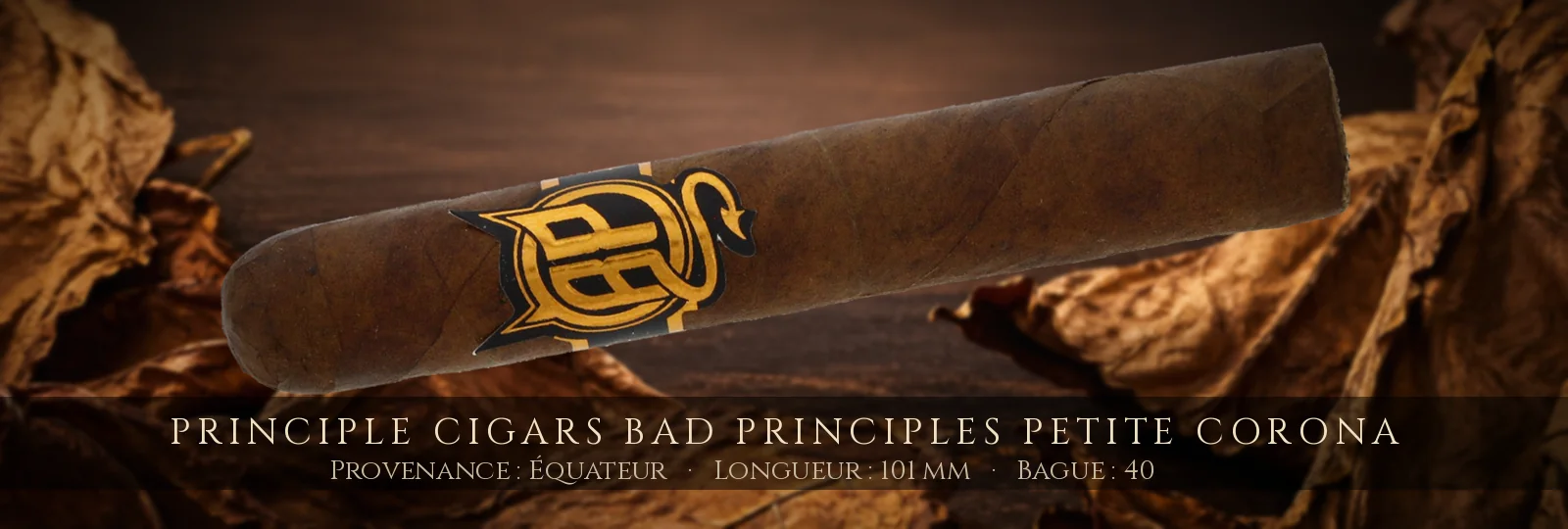
Dominican Republic · Petit Coronas
3.5 – 5.5 €
3 – 5.5 CHF
Ratings & reviews
Editorial score
Community score
Be the first
Organoleptic profile
Strength
mild
Balance
medium
Draw
perfect
Intensity
subtle
- Bouquet
- simple
- Finish
- medium
- Ash color
- gray
- Smoke output
- medium
Aroma profile
Dominant aromas
Secondary aromas
Similar cigars
Based on strength, aromas, format and wrapper origin — for a comparable tasting experience.
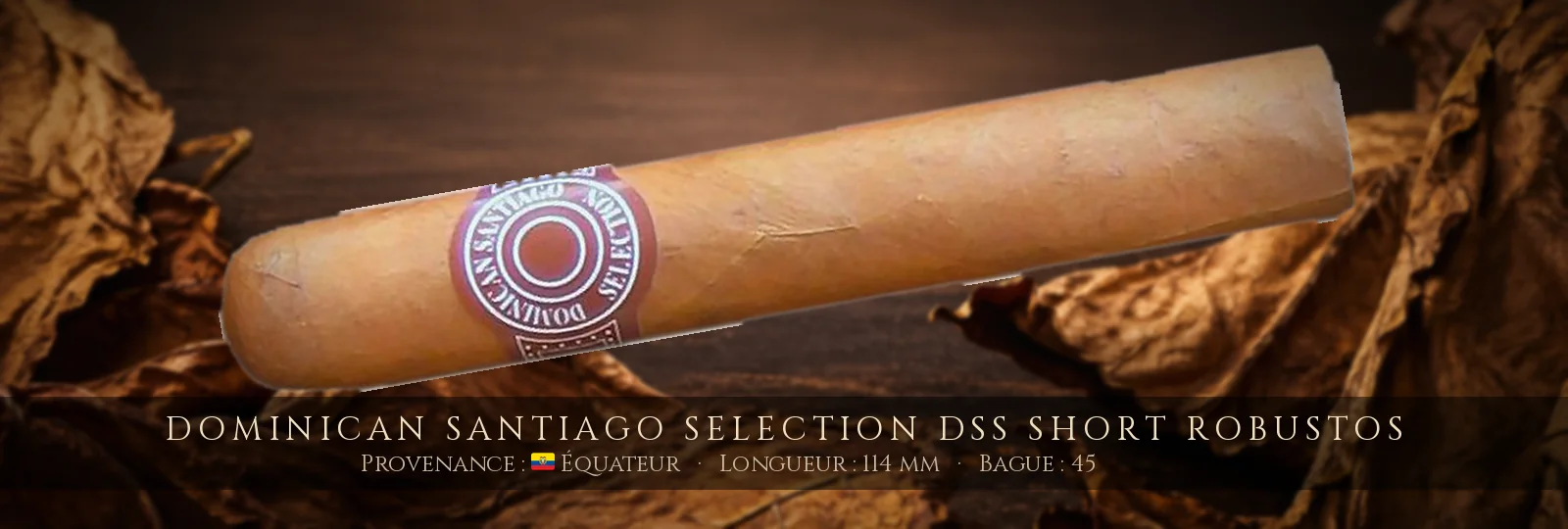 76% match
Dominican Santiago Selection
Dominican Santiago Selection DSS Short Robustos3 – 5.5 €
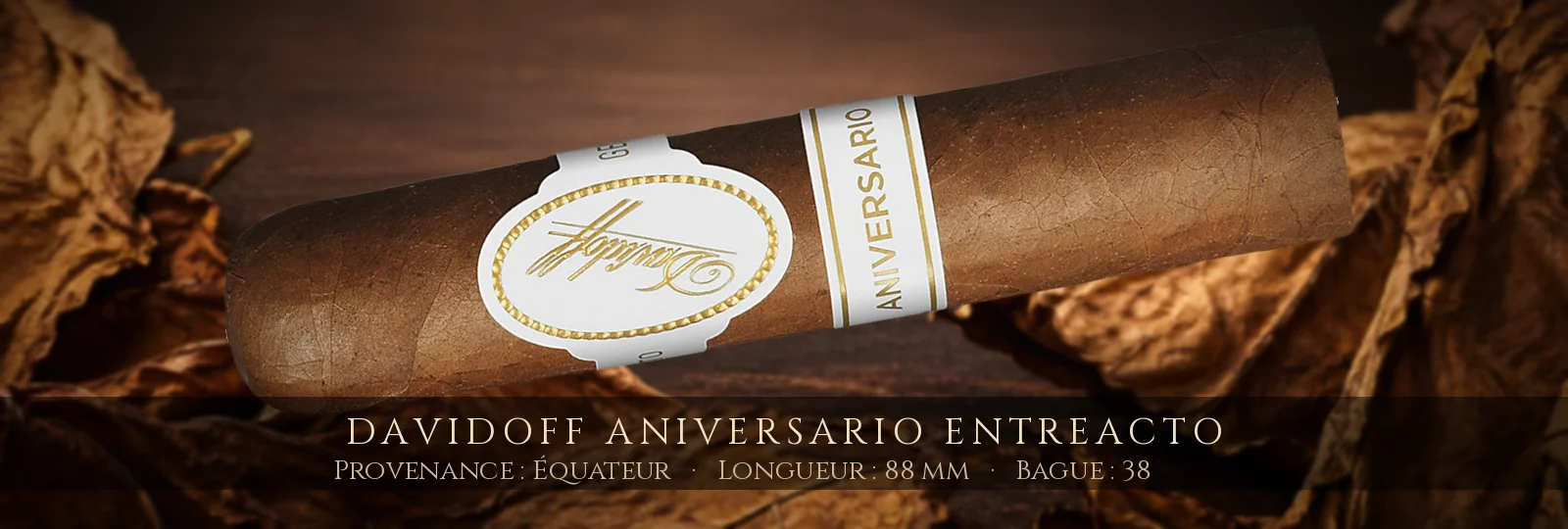 75% match
Davidoff
Davidoff Aniversario Entreacto11 – 18 €
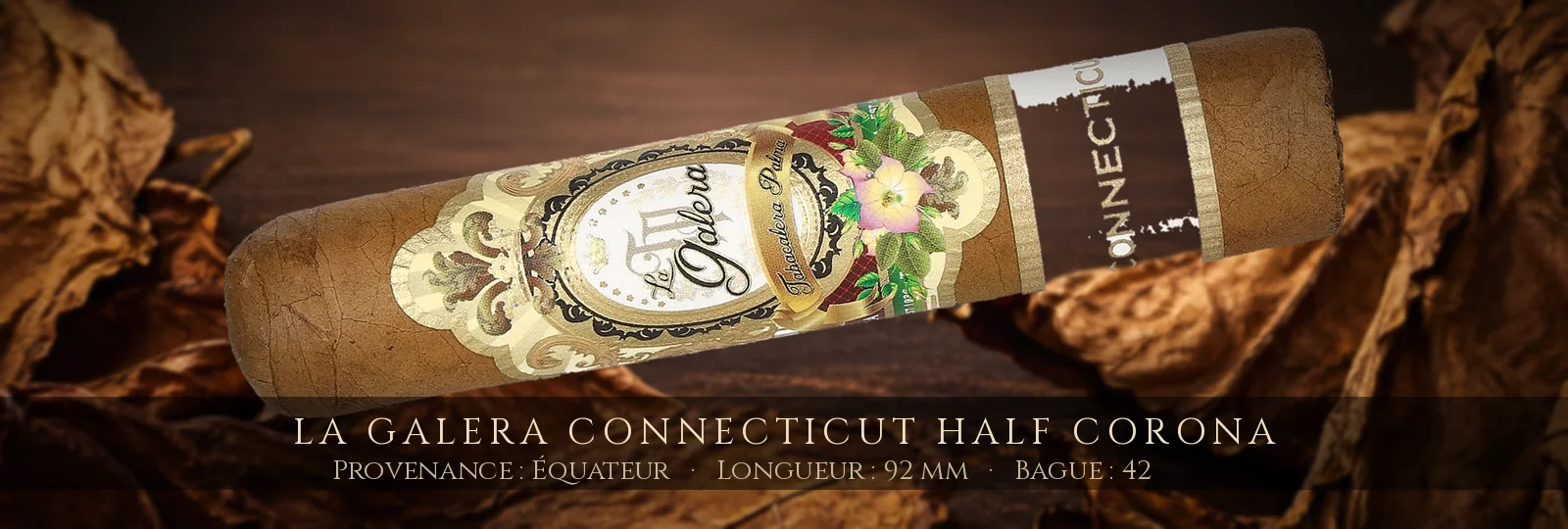 75% match
La Galera
La Galera Connecticut Half Corona5 – 8.5 €
Tasting notes
The Principle Cigars Bad Principles Petite Corona features an Ecuadorian wrapper that captivates the eye with its smooth texture and pleasant touch. Measuring 101.6 mm (4") in length and 15.9 mm (⅝") in diameter, this petite corona offers a refined presentation. The shimmering wrapper suggests careful craftsmanship, although some irregularities may be observed in certain specimens.
Upon first contact, you will discover pre-light aromas of toasted bread accompanied by subtle notes of nuts. Upon lighting, the cigar opens up to an aromatic palette marked by light spices and a hint of coffee, providing a pleasant olfactory experience, even if it lacks depth. The evolution unfolds with a simplicity that, while enjoyable, does not overwhelm the senses.
On the palate, this petite corona progresses with limited complexity, offering flavors that gently vary across the three thirds. The initial aromas focus on the toasty side with a strong dominance of hazelnut notes, before transitioning to creamier and sweeter nuances. However, the finish of these flavors remains discreet, leaving a light impression but lacking true richness.
In conclusion, the mouthfeel is characterized by a medium finish, with a pleasant texture but little persistence. The balance between strength and sweetness could be improved, making this cigar unique in its simplicity; however, it may not appeal to all smokers.
This cigar is best enjoyed during a quiet afternoon, accompanied by a light coffee or flavored tea, so as not to overshadow its aromas while providing a harmonious complement to its discreet character.
Community impressions
Praised by enthusiasts, this cigar is both appreciated for its practical format and criticized for its limited complexity. While it offers pleasant pre-light aromas of toasted bread and coffee, its finish is considered average, leading to mixed opinions on its balance. Each smoker seems to have a different experience with this product.
How to taste: Principle Cigars Bad Principles Petite Corona
▼
1.Visual Examination
The Principle Cigars Bad Principles Petite Corona features a natural, light brown to golden wrapper with a silky texture. Its construction is very beautiful, and its straight format of 101.6 mm (4") with a ring gauge of 40 promises a balanced experience.
This initial step allows for the assessment of the craftsmanship and anticipates the richness of the pre-light aromas that the cigar may offer.
2.Pre-light Aromas
Before lighting, it is essential to focus on the aromas emanating from the cigar. Here, notes of toasted bread, nuts, and coffee reveal themselves, accompanied by a subtle hint of spices and creaminess.
These aromas foreshadow the flavor profile to expect during the tasting. They also help reconnect with the nature of the tobacco before any transformation by heat.
3.The Cut
Use a standard straight cut for the Principle Cigars Bad Principles. This action must be executed with precision to preserve the integrity of the wrapper and ensure an optimal draw.
A well-executed cut is crucial to avoid draw issues that could detract from the tasting experience, thus ensuring an even burn from the start.
4.Cold Draw
Performing a cold draw reveals a perfect fluidity that indicates good combustion. This simple test allows for the assessment of the internal construction quality of the cigar.
A blocked draw may require adjustments, while an easy draw signals a smooth experience, allowing you to focus on the aromas.
5.Lighting
Lighting should be done carefully to ensure that the foot of the cigar is evenly toasted. This will prevent canoeing that could compromise the experience.
Taking the time to light the cigar correctly helps avoid irregular burns, which are essential for savoring the full range of aromas offered from the first draw.
6.First Third
From the first draws, a gentle strength is felt, accompanied by dominant notes of toasted bread, nuts, and coffee, with a medium volume of smoke enveloping the mouth.
This first third is often indicative of the blend's structure; it allows for immediate appreciation of the balance and complexity that will unfold thereafter.
7.Second Third
As the cigar progresses, secondary aromas of spices and creaminess emerge, creating a beautiful evolution of flavors while maintaining a medium balance.
This phase of the tasting is crucial, as it reflects the richness and complexity of the blend, allowing the smoker to discover the full range of aromas that the cigar offers.
8.The Finish
At the end of the tasting, the gray ash indicates good combustion. The finish leaves a pleasant texture in the mouth, with a slight residual sweetness and a medium finish.
Observing the ash and the mouthfeel are indicators of the overall quality of the blend, revealing the harmony of flavors and the craftsmanship of the cigar.
Community tasting notes
Have you smoked this cigar?
Be the first to share your tasting. Your review helps thousands of enthusiasts make the right choice.
✍️ Write a tasting note