
Ratings & reviews
Editorial score
Community score
Be the first
Organoleptic profile
Strength
medium
Balance
good
Draw
easy
Intensity
expressive
- Bouquet
- complex
- Finish
- medium
- Ash color
- gray
- Smoke output
- generous
Aroma profile
Dominant aromas
Secondary aromas
Similar cigars
Based on strength, aromas, format and wrapper origin — for a comparable tasting experience.
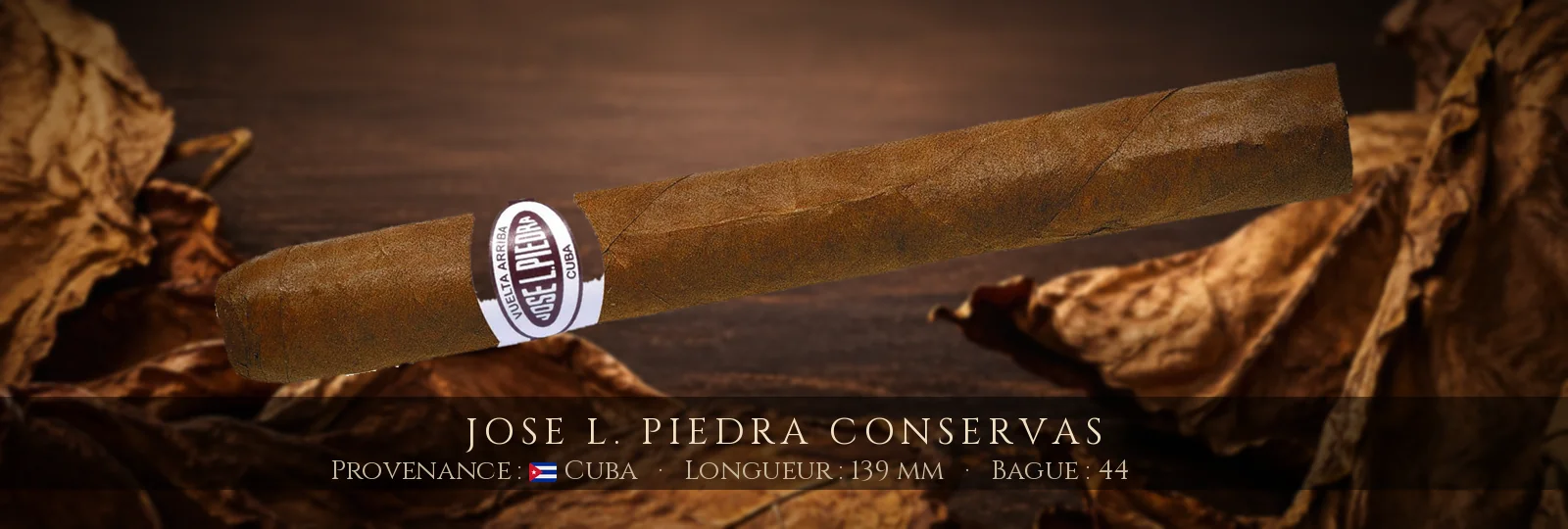 91% match
Jose L. Piedra
Jose L. Piedra Conservas2 – 4 €
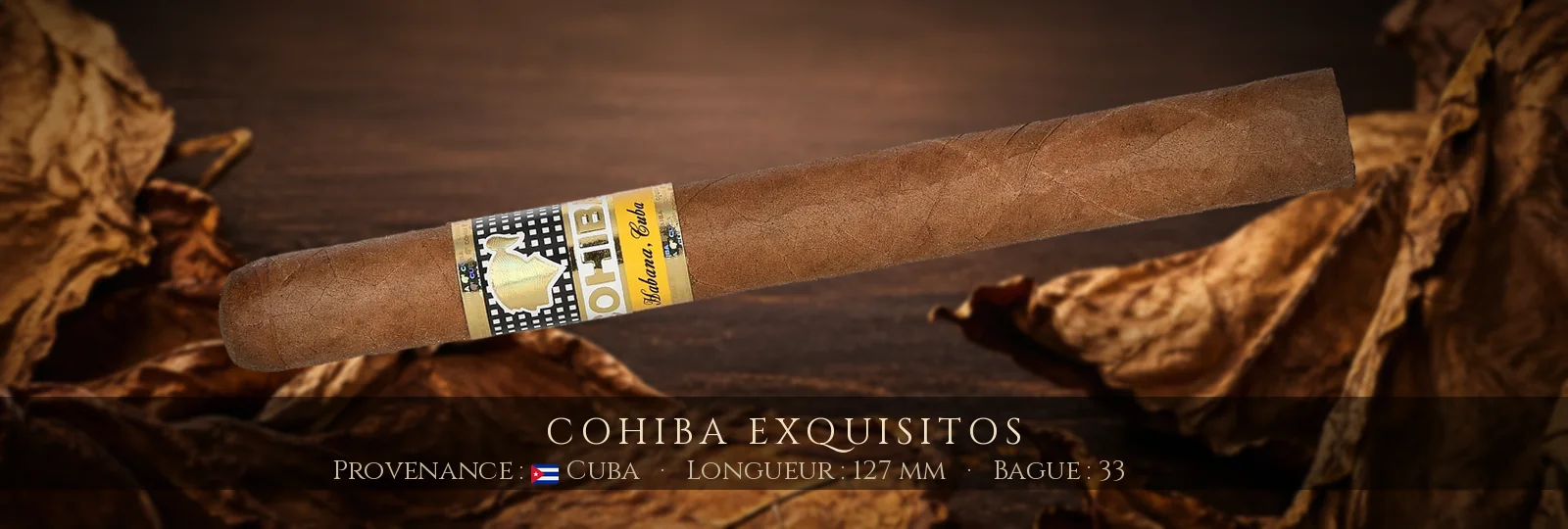 88% match
Cohiba
Cohiba Exquisitos31 – 48 €
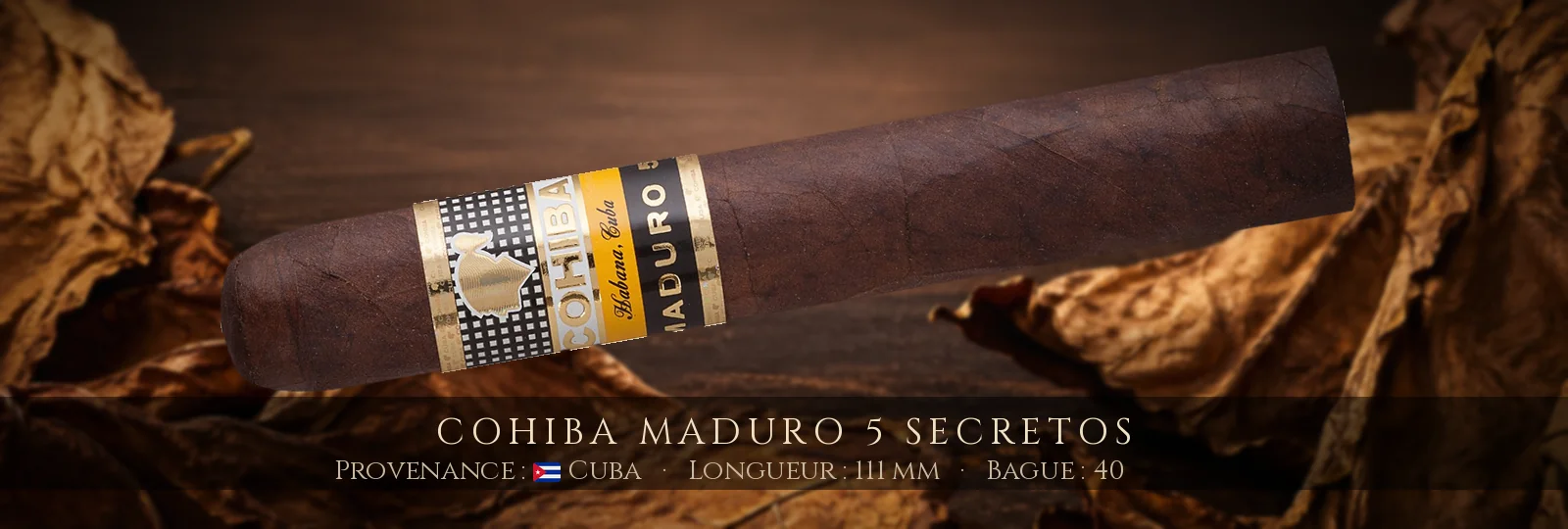 88% match
Cohiba
Cohiba Maduro 5 Secretos31 – 48 €
 87% match
Partagas
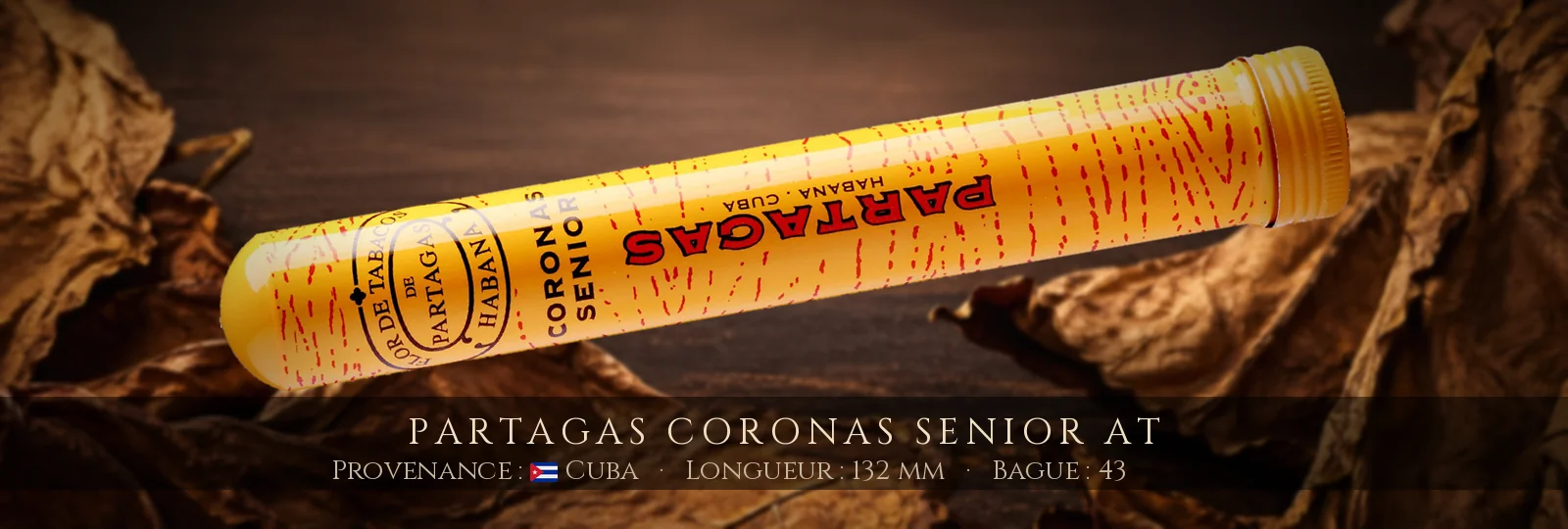
Partagas Coronas Senior AT5.5 – 8.5 €
Tasting notes
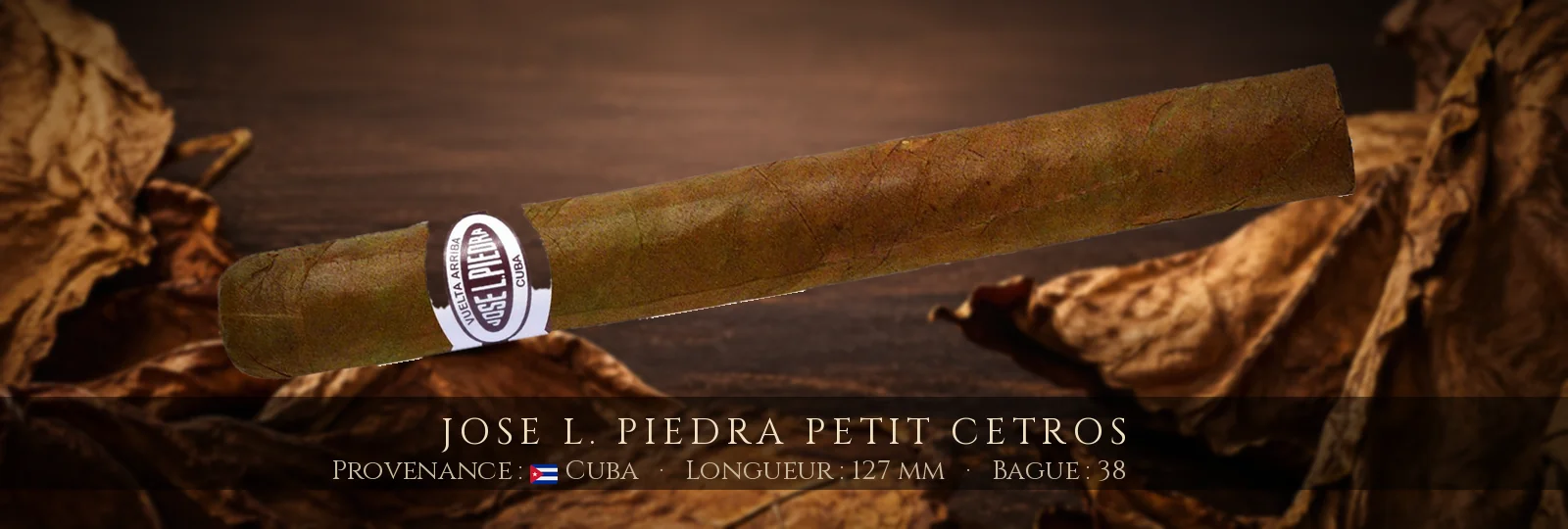
The Jose L. Piedra Petit Cetros, with its 127 mm (5") length and harmonious 15.1 mm (⅝") diameter, will charm Cuban cigar enthusiasts with its rustic appearance. Presented with a beautiful typical band, this cigar showcases a brown wrapper with shiny reflections. The texture of the wrapper provides a pleasant tactile sensation, highlighting the artisanal quality of this vitola.
Upon first contact, the olfactory bouquet reveals itself to be complex with pre-light aromas of dark chocolate, coffee, and earth, which emerge easily. Upon lighting, these notes intensify, while elements of nuts and spices begin to unfold, promising a rich sensory experience. The first evolution hints at a beautiful aromatic flexibility, captivating the smoker's attention.
On the palate, the development of flavors is marked by a beautiful coherence throughout the three thirds. The initial aromas of chocolate blend with woody and spicy notes, while the intensity increases, adding depth to the experience. The texture remains smooth, and the easy draw allows for full enjoyment of the elegant aromatic profile. Connoisseurs will not fail to notice the residual complexity that accompanies each puff.
The final sensation in the mouth manifests as a slight pleasant bitterness, underscoring the unique character of this vitola without compromising balance. Its finish is medium, leaving a lasting impression of quality and pleasure. Ideal for a convivial break, this cigar pairs perfectly with black coffee or a light whiskey, offering a delightful moment of relaxation.
Whether you are a novice or a connoisseur, the Jose L. Piedra Petit Cetros remains a must-have at an affordable price, perfect for any time of day. Allow yourself to be seduced by its authentic flavor and aromatic richness, which make this cigar a true reference in its segment.
Community impressions
Cigar enthusiasts highlight this cigar's excellent value for money and its rich aromatic profile. Recognized for its complexity, the Petit Cetros stands out with its notes of chocolate and coffee, providing a warm experience. Suitable for everyday smokers, it is appreciated for its easy draw and good burn. Ideal for savoring a moment of relaxation, it represents a wise choice for any occasion.
How to taste: Jose L. Piedra Petit Cetros
▼
1.The Visual Examination
The Jose L. Piedra Petit Cetros features a colorado wrapper, a shiny reddish-brown that is slightly oily. Its construction is very beautiful, and with a length of 127.0 mm (5") and a ring gauge of 38, it displays a straight format that is easily identifiable.
This initial observation allows for an assessment of the craftsmanship and maturation of the tobacco, essential elements that influence the tasting experience.
2.Pre-light Aromas
Before lighting, an olfactory passage reveals aromas of chocolate, coffee, and damp earth. These preliminary impressions provide a glimpse into the flavors that will develop during the burn.
These initial aromas are true to the raw nature of the tobacco, and anticipating them helps to appreciate the aromatic transformation that will occur during the tasting.
3.The Cut
The cut is made with a standard cutter just below the cap, ensuring optimal access to the combustion chamber. The level of precision in this cut is fundamental for a smooth experience.
A perfect cut promotes an easy draw, thus avoiding inconveniences such as uneven or blocked burn, which could disrupt the tasting.
4.The Cold Draw
The cold draw is easy, allowing for good air circulation. This quick step simply involves gently inhaling through the cigar without lighting it.
This test reveals any potential manufacturing defects before the burn begins, ensuring that the cigar is suited for a pleasant tasting.
5.Lighting
Lighting should be done carefully to achieve an even burn. Toasting the foot of the cigar ensures uniform heat from the start.
Proper lighting prevents canoeing issues, where one part burns faster than the other, and sets the stage for a balanced tasting experience.
6.The First Third
From the first third, the strength of the cigar appears to be medium, with dominant aromas of chocolate and coffee fully revealing themselves. The smoke volume is generous, enriching the experience.
This powerful beginning is crucial for establishing expectations and the nuances to come, providing a strong first impression for the remainder of the tasting.
7.The Second Third
During the second third, an evolution of secondary aromas is felt, notably notes of nuts, spices, and wood, thus balancing the overall aromatic profile.
This transition allows for an appreciation of the increasing complexity of the blend, demonstrating how the layers of flavors overlap and develop over time.
8.The Finish
The color of the ash is gray, and the finish is marked by a slight pleasant bitterness, leaving an earthy sensation. The finish is medium, offering a good aromatic return.
Analyzing the ash and the finish allows for an evaluation of the minerality and quality of the blend, while a good finish confirms the balance and richness of the aromas.
Community tasting notes
Have you smoked this cigar?
Be the first to share your tasting. Your review helps thousands of enthusiasts make the right choice.
✍️ Write a tasting note