
Ratings & reviews
Editorial score
Community score
Be the first
Organoleptic profile
Strength
mild
Balance
good
Draw
tight
Intensity
subtle
- Bouquet
- simple
- Finish
- medium
- Ash color
- gray
- Smoke output
- medium
Aroma profile
Dominant aromas
Secondary aromas
Similar cigars
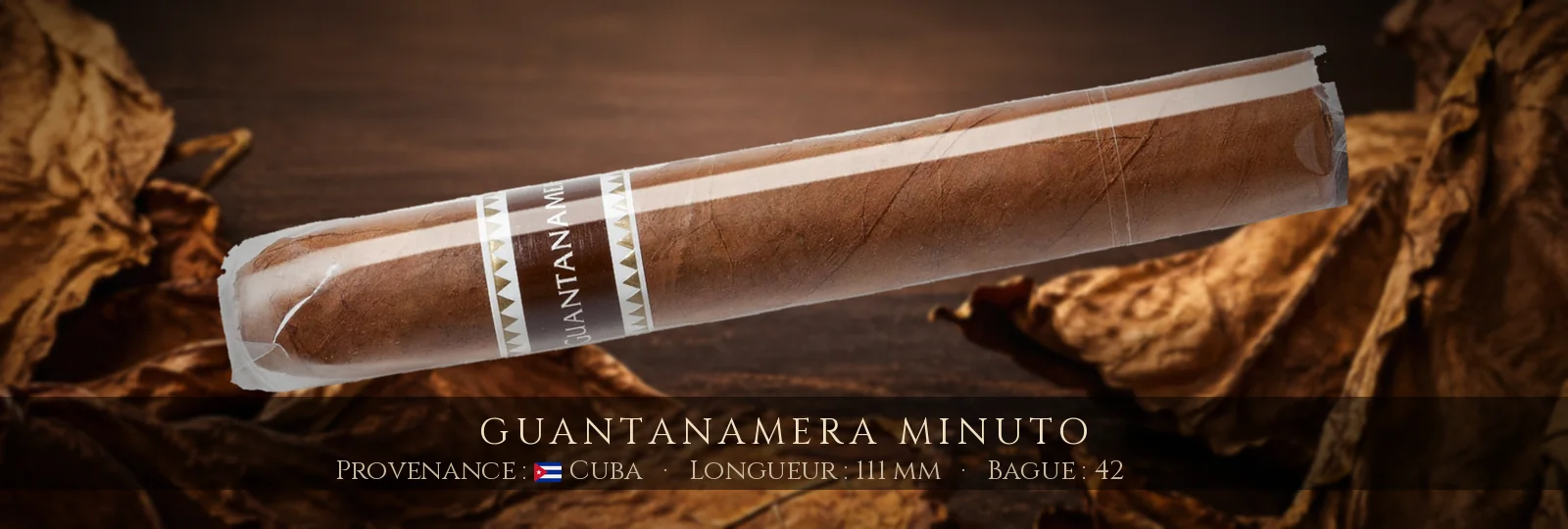
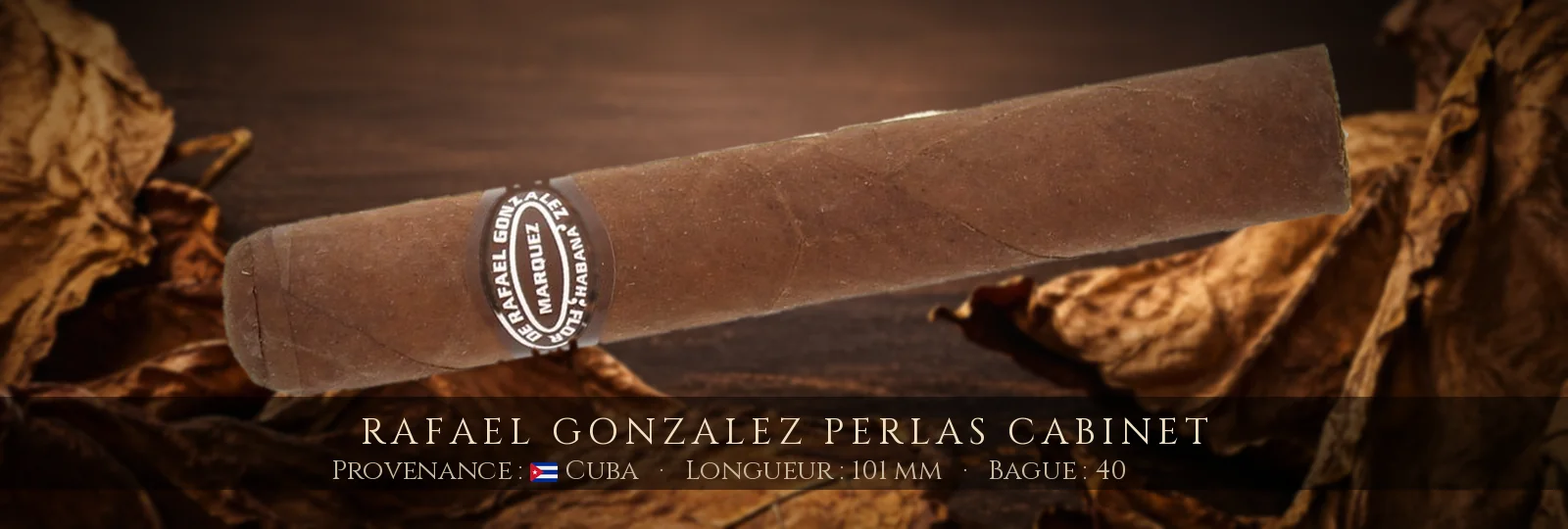
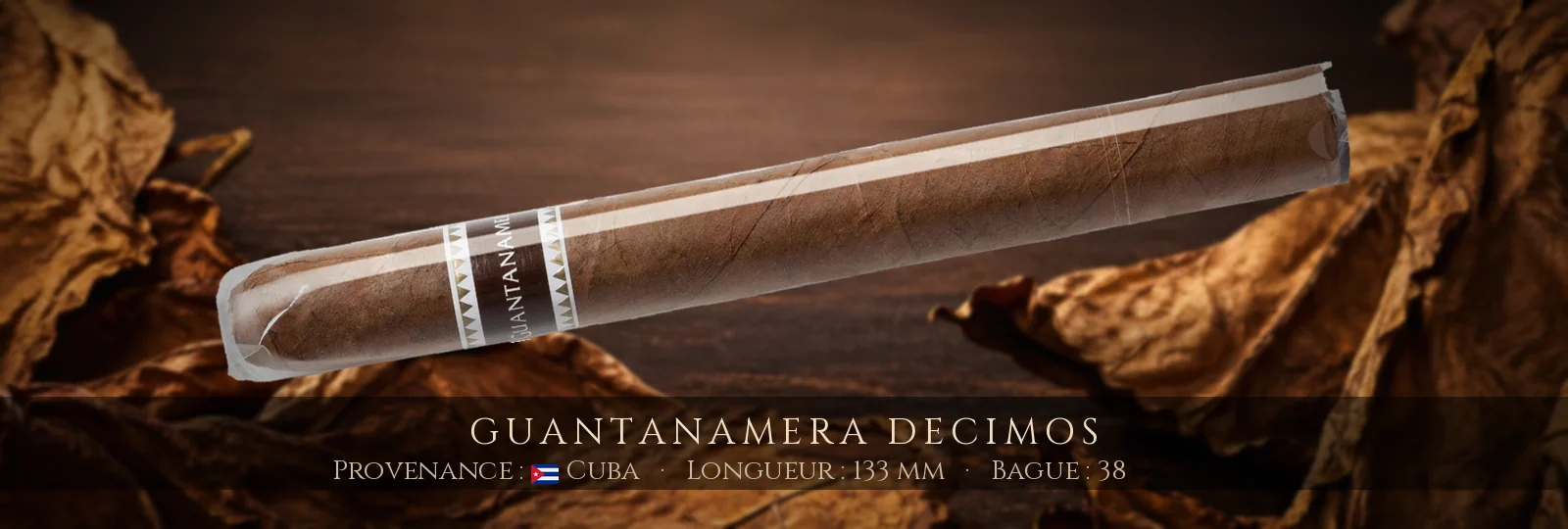
Based on strength, aromas, format and wrapper origin — for a comparable tasting experience.
 76% match
Rafael Gonzalez
Rafael Gonzalez Perlas Cabinet175 – 265 €
Tasting notes
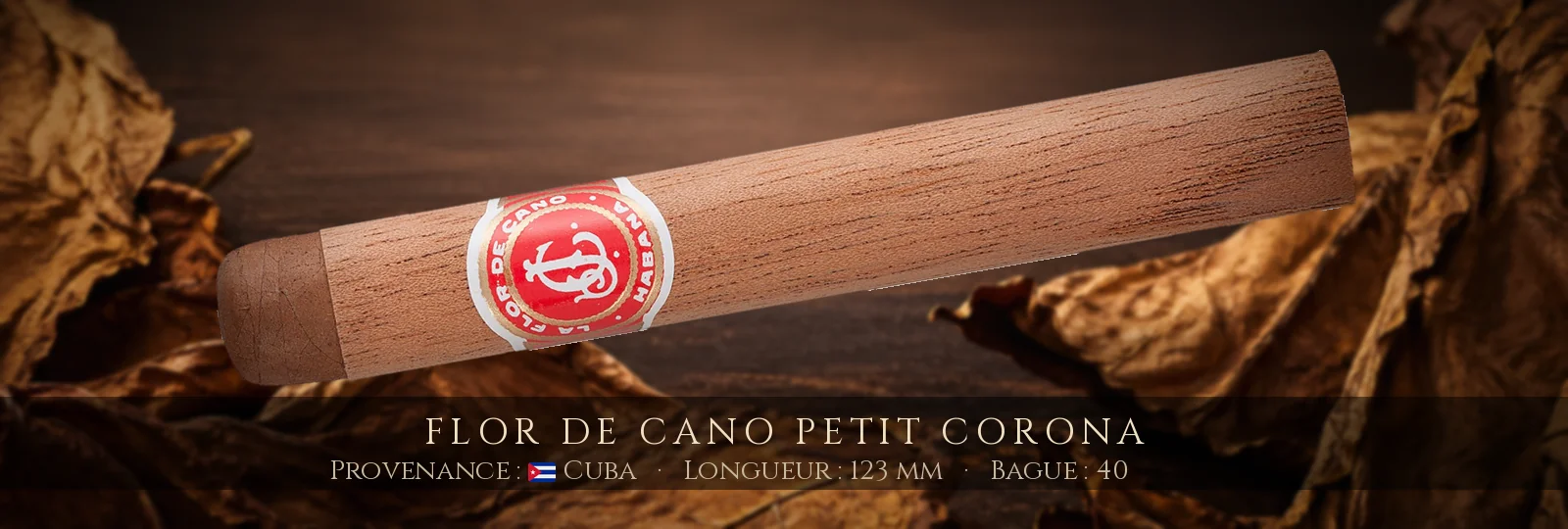
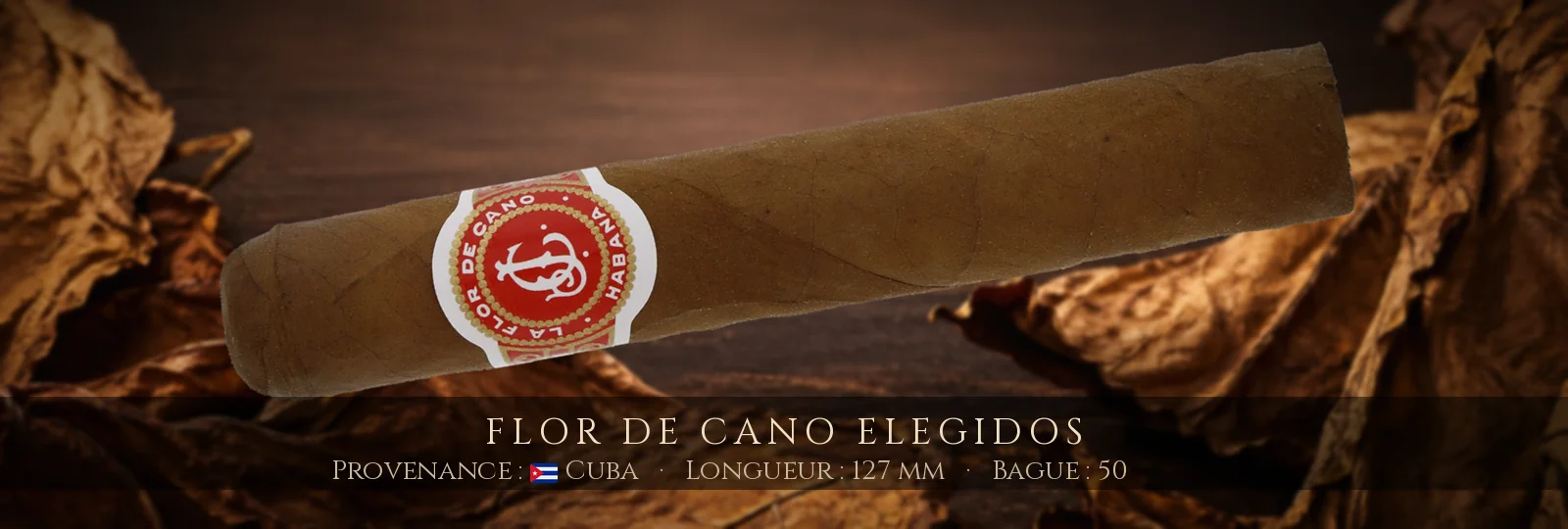
The Flor de Cano Petit Corona is a true small work of art from Cuba. With its 123.8 mm (4⅞") length and a 15.9 mm (⅝") diameter, this cigar catches the eye with its delicate presentation, although a slight collapse is noted on its leaf. The wrapper, showing some imperfections, nonetheless reveals a certain finesse in hand, reflecting the meticulous craftsmanship of Cuban artisans.
Upon lighting, the aromatic bouquet unfolds timidly with notes of night and wood. As you inhale, you can perceive a subtle sweet scent of spices that adds to this delicate blend. The start is pleasant, but the olfactory intensity remains rather discreet, marking a contrast with what one might expect from a premium production.
On the palate, the development of flavors is quite basic yet harmonious. The three thirds follow one another gently, with the first presenting rich aromas of nuts and wood, followed by a surprisingly light fruity note. In the middle of the smoking experience, the complexity remains limited, but flavors of cocoa and spicy undertones begin to timidly emerge. The cigar blossoms towards its finish, where warmth and earthy nuances appear, bringing a true softness to the palate.
The final sensation in the mouth stands out with a light sweetness paired with a woody note, showcasing a good balance between strength and subtlety. While it may leave a passionate cigar enthusiast wanting more, it remains an honorable option for those seeking a pleasant moment of relaxation without too much complexity.
To be enjoyed at any time of the day, this cigar pairs ideally with coffee or even a glass of white wine, allowing for a delightful accompaniment to its sweet and woody aromas. It is a good choice for a break, whether solo or in company, to discover Cuba through a more accessible format.
Community impressions
Enthusiasts of this cigar highlight its smoothness and woody aromas, although some note a difficulty in the draw. Its simplicity makes it an affordable choice for novice smokers. Overall, it represents a pleasant experience, despite a few imperfections.
How to taste: Flor de Cano Petit Corona
▼
1.Visual Examination
The Flor de Cano Petit Corona features a colorado wrapper, a shiny reddish-brown that is slightly oily. This type of appearance is typical of Habanos, but the construction is noted as poor, which may influence the burn.
This step allows for the assessment of the visual quality of the cigar, essential for anticipating the burn and draw during tasting.
2.Pre-light Aromas
Before lighting, the cigar emits pre-light aromas of earth, wood, and nuts, which dominate over other potential nuances. These notes are indicative of the nature of the tobaccos used.
Anticipating the aromas before lighting helps prepare the palate for the aromatic transformations that will occur during the burn.
3.The Cut
A standard straight cut is made under the cap for the Flor de Cano Petit Corona. It is crucial to ensure a clean cut to avoid draw issues.
A good cut is essential to allow for an easy draw, which conditions the tasting experience throughout the cigar.
4.Cold Draw
Testing the cold draw reveals some difficulty, indicating that the airflow is not optimal. This may suggest anomalies in the construction.
Identifying potential draw defects before lighting allows for adjustments to the cut if necessary, thus avoiding uneven combustion.
5.Lighting
During lighting, it is essential to take the time to properly toast the foot to ensure an even burn. A good lighting sets the stage for a harmonious tasting experience.
A well-executed lighting prevents canoeing issues, which can lead to an unpleasant smoking experience that is difficult to correct.
6.First Third
The first third of the Flor de Cano Petit Corona is characterized by its smoothness and dominant pre-light aromas of earth, wood, and nuts, with a medium smoke volume. The light strength allows for the appreciation of the nuances without being overwhelmed.
This initial phase is crucial for establishing expectations regarding flavor and intensity, while also allowing for the evaluation of the quality of the cigar's construction.
7.Second Third
As we enter the second third, secondary aromas of fruit, chocolate, and spices begin to emerge. The balance remains good, creating an interesting complexity while maintaining the smoothness.
Observing the evolution of the aromas at this stage helps to appreciate the complexity of the blend, and this is often where hidden nuances are revealed.
8.The Finish
The color of the ash is gray, and the finish offers a light sweetness accompanied by a persistent woody note. The finish is medium and leaves a pleasant impression.
Analyzing the finish allows for the measurement of the quality of the blend and the care taken in drying the leaves, often indicating the overall complexity of the cigar.
Community tasting notes
Have you smoked this cigar?
Be the first to share your tasting. Your review helps thousands of enthusiasts make the right choice.
✍️ Write a tasting note