
Ratings & reviews
Editorial score
Community score
Be the first
Organoleptic profile
Strength
medium
Balance
poor
Draw
slightly tight
Intensity
closed
- Bouquet
- simple
- Finish
- short
- Ash color
- gray
- Smoke output
- medium
Aroma profile
Dominant aromas
Secondary aromas
Similar cigars
Based on strength, aromas, format and wrapper origin — for a comparable tasting experience.
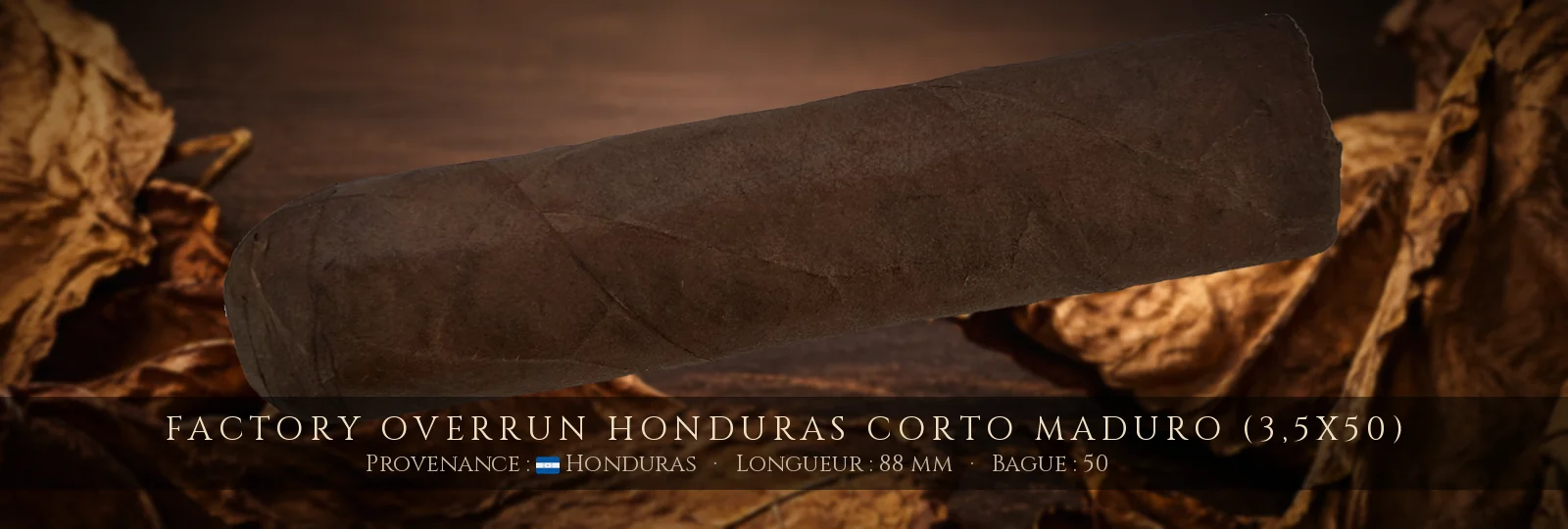 78% match
Factory Overrun
Factory Overrun Honduras Corto Maduro (3,5x50)2.5 – 4.5 €
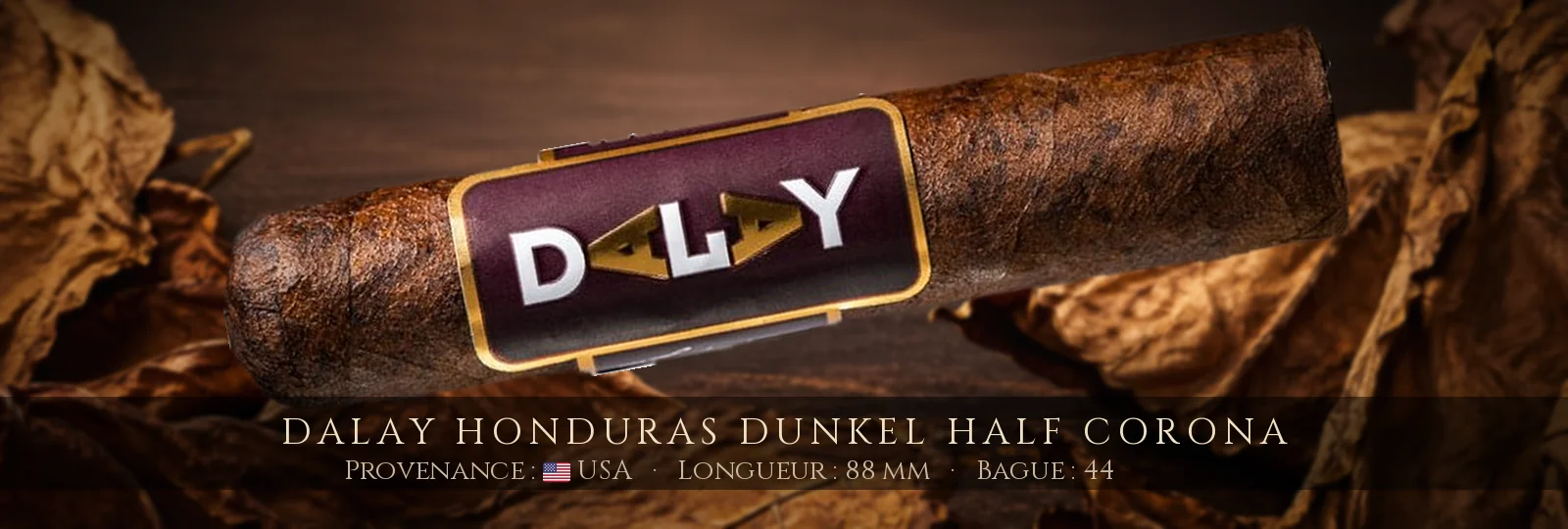 76% match
Dalay
Dalay Honduras Dunkel Half Corona3.5 – 5.5 €
Tasting notes
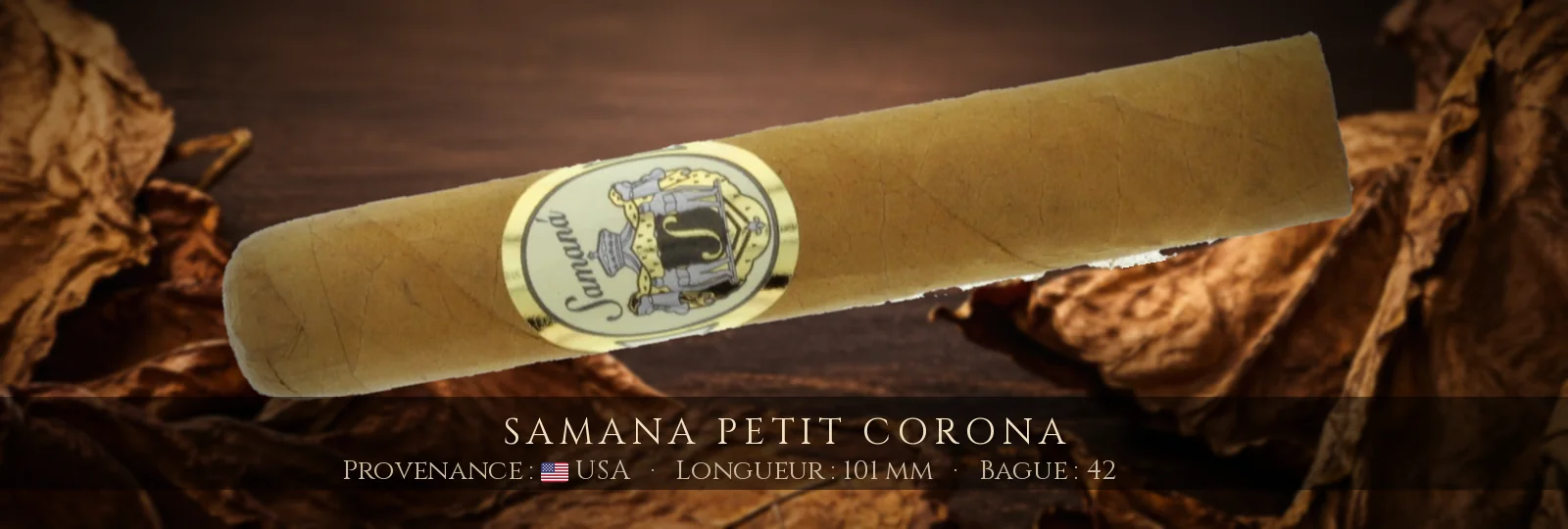
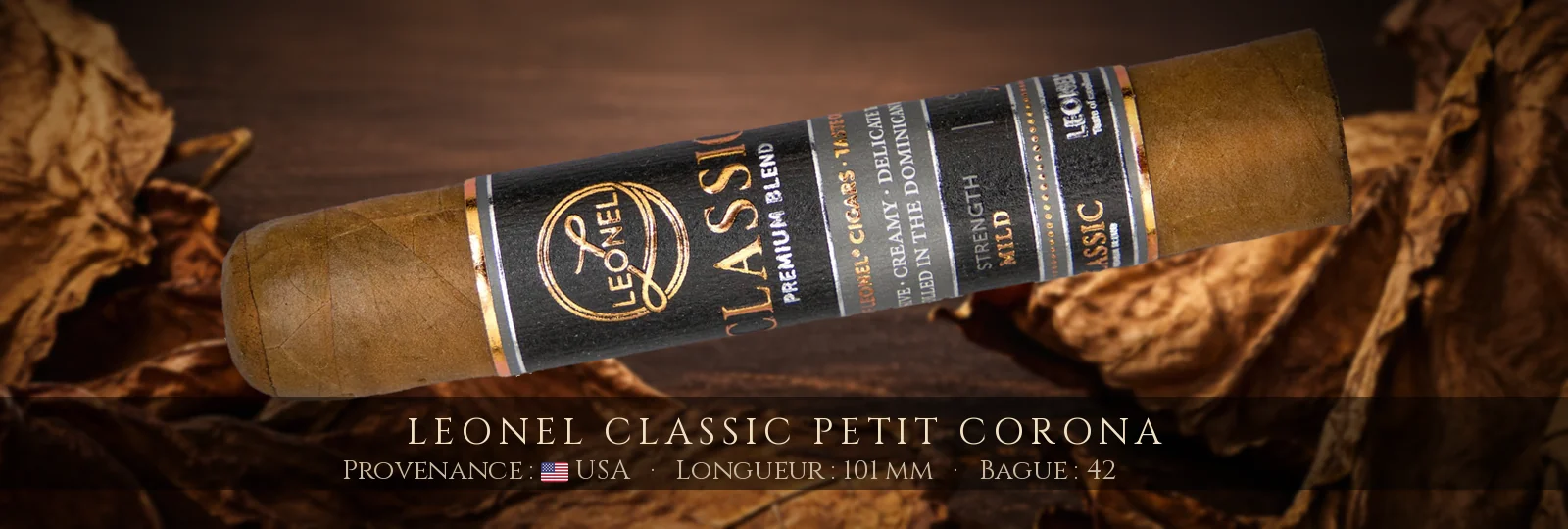
The Samana Petit Corona, with its pleasant dimensions of 101.6 mm (4") in length and 16.7 mm (⅝") in diameter, presents itself with a neat wrapper. The texture of the wrapper is smooth to the touch, although its appearance may seem less inviting at first glance. The overall presentation suggests a handcrafted approach, typical of American cigars.
Upon lighting, the first olfactory contact reveals a simple aromatic palette, marked by wood and spice notes. As it evolves, hints of nuts become detectable. However, it appears that the aromatic intensity remains rather closed, failing to unleash its full potential and leaving a mixed sensation.
On the palate, the development of flavors succumbs to a limited complexity, oscillating between the taste of cocoa and a hint of coffee. Unfortunately, the progression of aromas is hindered by a rough sensation. The different thirds follow one another with weak coherence, preventing a true appreciation of this cigar. The final sensation is characterized by a rough texture and a slight bitterness.
Ultimately, this tasting experience, while marked by a certain potential, may not satisfy all expectations. The finish is short, and the balance between strength and sweetness is barely satisfactory, leaving the taster wanting more.
This cigar may find its place during a moment of relaxation, perhaps accompanied by a strong cup of coffee to mitigate its flaws, but it should be avoided if you are seeking a refined experience rich in aromas.
Community impressions
Cigar enthusiasts highlight a disappointing tasting experience, characterized by rough flavors and limited complexity. Although it shows interesting potential, the Samana Petit Corona struggles to stand out, leaving a mixed impression overall.
How to taste: Samana Petit Corona
▼
1.Visual Examination
The Samana Petit Corona features a medium brown wrapper that immediately catches the eye. This Petit Bouquet format cigar, measuring 101.6 mm (4") with a ring gauge of 42, displays a poor construction that may influence the tasting experience.
Observing the color and construction allows for assumptions about the quality of the tobacco and its potential aromatic richness. Good construction is essential for an even burn.
2.Pre-light Aromas
Before lighting, a slight aroma of wood and spices emanates from the cigar, accompanied by nutty notes. These pre-light aromas foreshadow what you can expect during the tasting.
This step allows you to familiarize yourself with the natural aromas of the tobacco, providing insight into the flavors to come. Anticipating aromatic changes helps refine your appreciation.
3.Cutting
Make a standard straight cut just below the cap of the cigar. This simple method ensures optimal access to the aromas while preserving the integrity of the wrapper.
A precise cut is crucial to ensure an easy draw and avoid discomfort during the tasting, such as blocked draws or uneven burns.
4.Cold Draw
When trying the cold draw, you will notice it is slightly difficult, which may indicate excessive tobacco density or a construction defect.
Evaluating the cold draw helps identify potential issues before lighting, such as a restricted draw that could hinder the tasting experience.
5.Lighting
When lighting the Samana Petit Corona, ensure you toast the foot well to guarantee an even burn. This is particularly important given its poor construction.
A careful lighting helps avoid canoeing and other irregularities during the burn, which could significantly detract from your sensory experience.
6.First Third
At the beginning of the tasting, the strength of the cigar reveals itself as medium, with dominant aromas of wood, spices, and nuts expressed with a medium volume of smoke.
This initial phase allows you to gauge the strength and primary aromas, providing a basis for comparing the evolution during the subsequent thirds.
7.Second Third
As you reach the second third, secondary aromas of chocolate, coffee, and damp earth begin to manifest, although the balance remains mediocre.
Observing this evolution allows for a better appreciation of the complexity of the blend and recognition of the aromatic nuances, even if the balance may be deemed unsatisfactory.
8.Finale
At the end of the tasting, the gray ash indicates a generally correct burn, although the mouthfeel is marked by a slight bitterness and a rough texture.
Analyzing the finish and the length in mouth offers insight into the quality of the blend. A short persistence may signal a lack of depth in the aromas.
Community tasting notes
Have you smoked this cigar?
Be the first to share your tasting. Your review helps thousands of enthusiasts make the right choice.
✍️ Write a tasting note