
Ratings & reviews
Editorial score
Community score
Be the first
Organoleptic profile
Strength
medium
Balance
poor
Draw
tight
Intensity
closed
- Bouquet
- simple
- Finish
- short
- Ash color
- gray
- Smoke output
- medium
Aroma profile
Dominant aromas
Secondary aromas
Similar cigars
Based on strength, aromas, format and wrapper origin — for a comparable tasting experience.
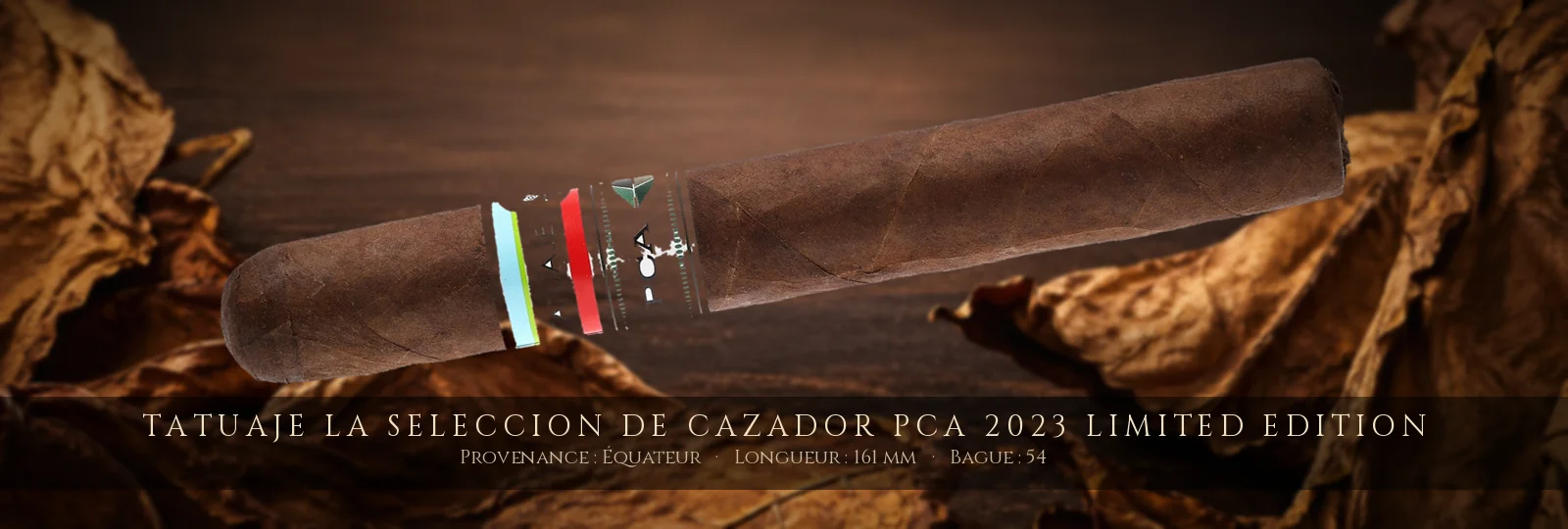 74% match
Tatuaje
Tatuaje La Seleccion de Cazador PCA 2023 Limited Edition10 – 15 €
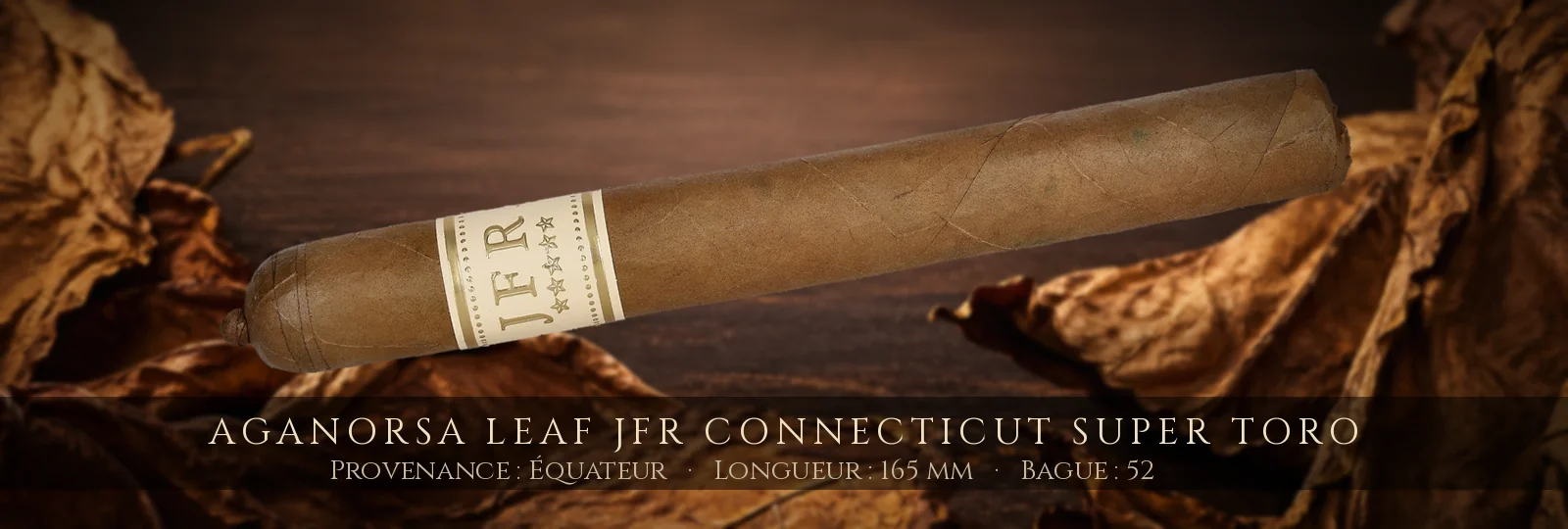 72% match
Aganorsa Leaf
Aganorsa Leaf JFR Connecticut Super Toro5.5 – 9 €
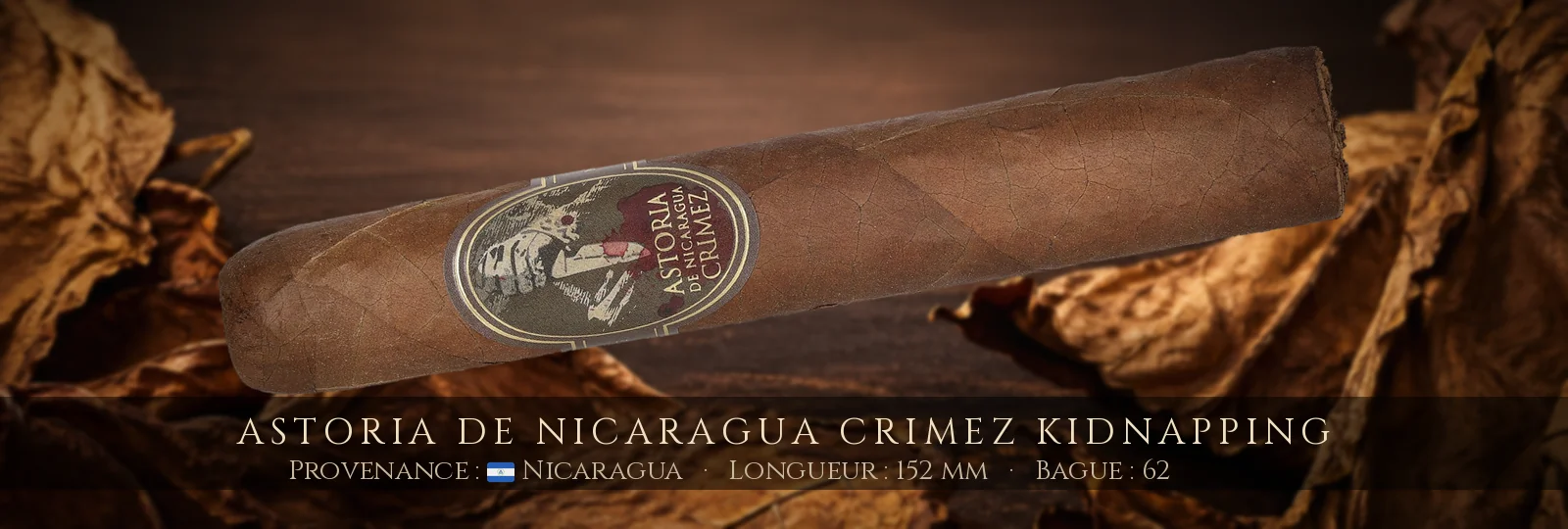 71% match
Astoria de Nicaragua
Astoria de Nicaragua Crimez Kidnapping2.5 – 4.5 €
Tasting notes
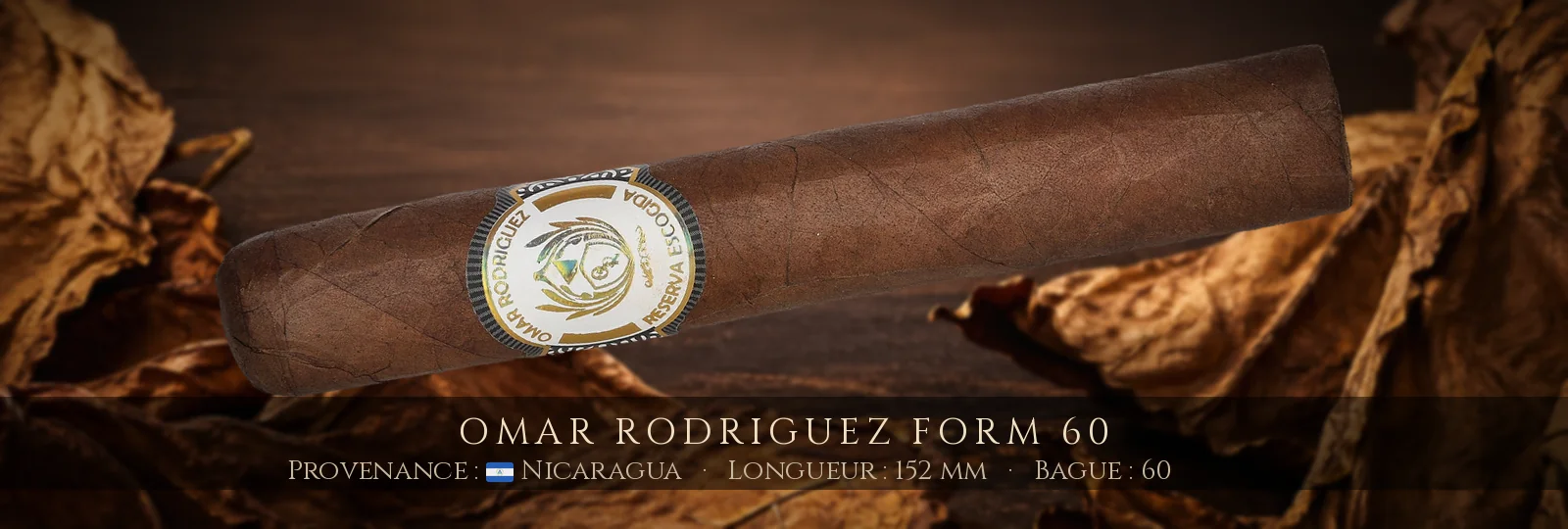
The Omar Rodriguez Form 60 presents itself in a seductive yet unknown wrapper, with a relaxing appearance that immediately captures attention. Its wrapper, solid and well-crafted, conveys an impression of quality, even though the details are not specified. In hand, the cigar possesses a certain texture that invites exploration.
Upon lighting, you will be greeted by a first olfactory contact marked by aromas of wood and leather, enveloped in notes of spices. This blend promises rich tasting moments; however, upon opening, a rather closed character is felt, suggesting a subtle yet uncertain evolution during the tasting.
On the palate, the cigar reveals itself only partially. The first third develops woody notes with a slight herbal bitterness, a consequence of an easy draw. As you progress, a hint of caramel and nuts begins to emerge, but the development remains slow and lacking in complexity, making the experience somewhat frustrating.
In the finish, the sensation of dryness dominates, accompanied by a light bitterness that lingers at the end of the palate. Unfortunately, the balance between strength and sweetness leaves much to be desired, which may disappoint aficionados. This cigar, while promising on paper, fails to deliver on its tasting promises, raising doubts about its craftsmanship.
For an ideal moment, despite the construction difficulties, it might be interesting to pair this cigar with a slightly sweet beverage to soften the roughness of the experience. A sweet coffee or a glass of rum could suffice to soften this tumultuous encounter with the Omar Rodriguez Form 60.
Community impressions
Enthusiasts of this cigar express disappointment regarding a difficult draw and a lack of complexity in the pre-light aromas. Despite some promising notes, the construction quality appears to be an issue, leaving a mixed impression and a distant sympathy towards this creation.
How to taste: Omar Rodriguez Form 60
▼
1.Visual Examination
The Omar Rodriguez Form 60 is presented in a Toro Gordo format, measuring 152.4 mm (6") with a ring gauge of 60. Although the wrapper is not specified, it is important to note that the construction is deemed poor, which may influence the tasting experience.
Evaluating the format and construction allows for anticipating the comfort of the grip and the potential for burn, key elements that affect the overall experience.
2.Pre-light Aromas
As you approach this cigar, the aromas you perceive are dominated by notes of wood, leather, and spices. These fragrances foreshadow the character of the tobacco that will be revealed upon lighting.
This step is essential for grasping the nuances of the raw material, allowing you to refine your focus on the evolution of flavors during the tasting.
3.Cutting
The cut is made standardly under the cap, essential for ensuring an easy draw. A precise gesture here is crucial to avoid any discomfort during the tasting.
A proper cut maximizes airflow and ensures a consistent burn, preventing any inconveniences that may arise later.
4.Cold Draw
The cold draw reveals a difficult resistance, which may indicate potential internal construction issues. This test allows for appreciating the smoothness of the smoke before lighting.
A blocked draw requires special attention, as it may necessitate a re-cut, while a smooth draw indicates a more pleasant experience during the tasting.
5.Lighting
During lighting, it is essential to ensure an even burn at the foot to avoid canoeing. The way the cigar ignites greatly influences the balance of aromas.
A careful lighting optimizes the distribution of flavors and avoids inconveniences such as uneven combustion that could disrupt the experience.
6.First Third
In this first third, the strength is perceived as medium. The dominant aromas of wood, leather, and spices manifest, with a medium volume of smoke accompanying these notes.
Understanding this initial phase is crucial, as it sets the tone for the remainder of the tasting and allows for measuring the richness and intensity of flavors.
7.Second Third
During the second third, secondary aromas of caramel, herbal notes, and nuts begin to emerge. However, the balance remains mediocre, which may affect the harmony of flavors.
This stage is decisive for appreciating the evolution of aromas and identifying whether the cigar manages to maintain an interesting complexity throughout the tasting.
8.The Finish
At the end of the tasting, the gray ash indicates a correct burn, while the finish presents a slight bitterness and a sensation of dryness. The finish is short.
Analyzing the finish allows for assessing the experience, revealing the quality of the blend and the impact of the aromas over time, which is essential for a complete evaluation of the cigar.
Community tasting notes
Have you smoked this cigar?
Be the first to share your tasting. Your review helps thousands of enthusiasts make the right choice.
✍️ Write a tasting note