
Ratings & reviews
Editorial score
Community score
Be the first
Organoleptic profile
Strength
mild
Balance
poor
Draw
tight
Intensity
subtle
- Bouquet
- simple
- Finish
- short
- Ash color
- gray
- Smoke output
- light
Aroma profile
Dominant aromas
Secondary aromas
Similar cigars
Based on strength, aromas, format and wrapper origin — for a comparable tasting experience.
 80% match
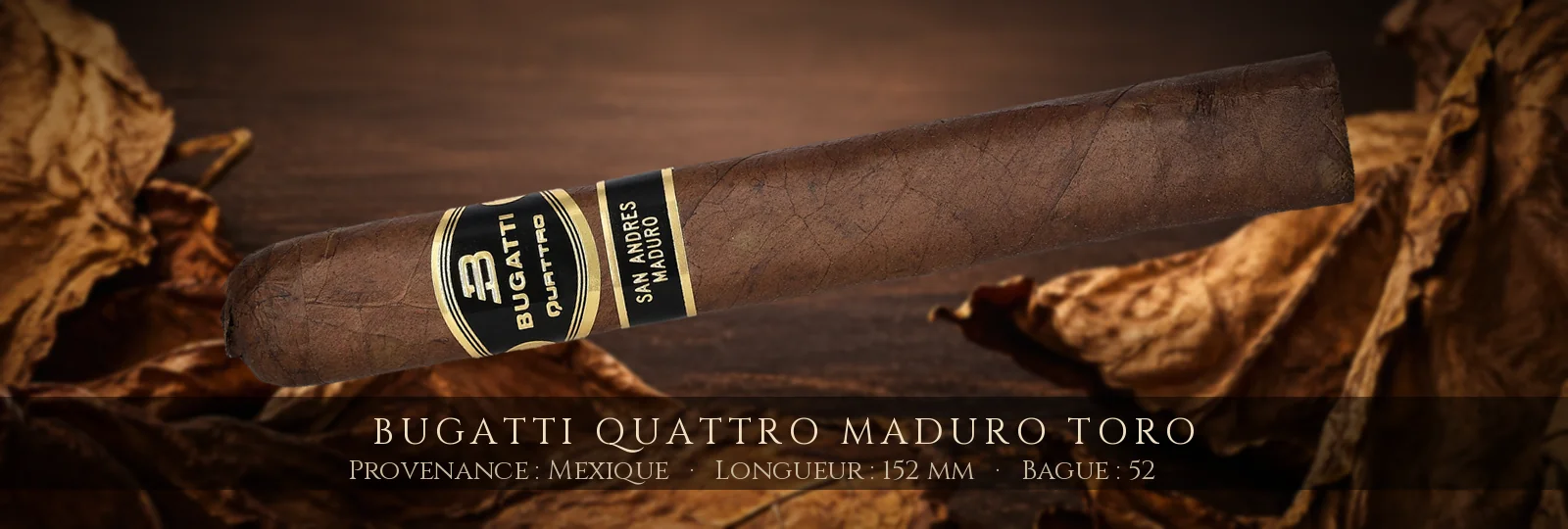
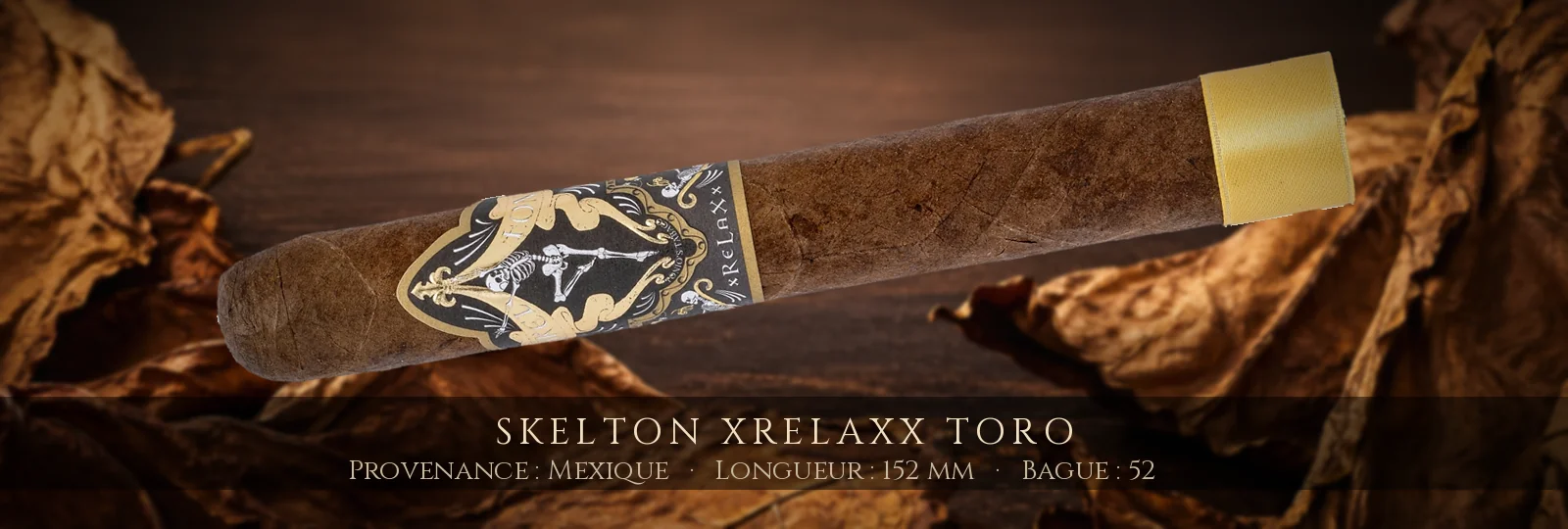
Skelton
Skelton Xrelaxx Toro8 – 12.5 €
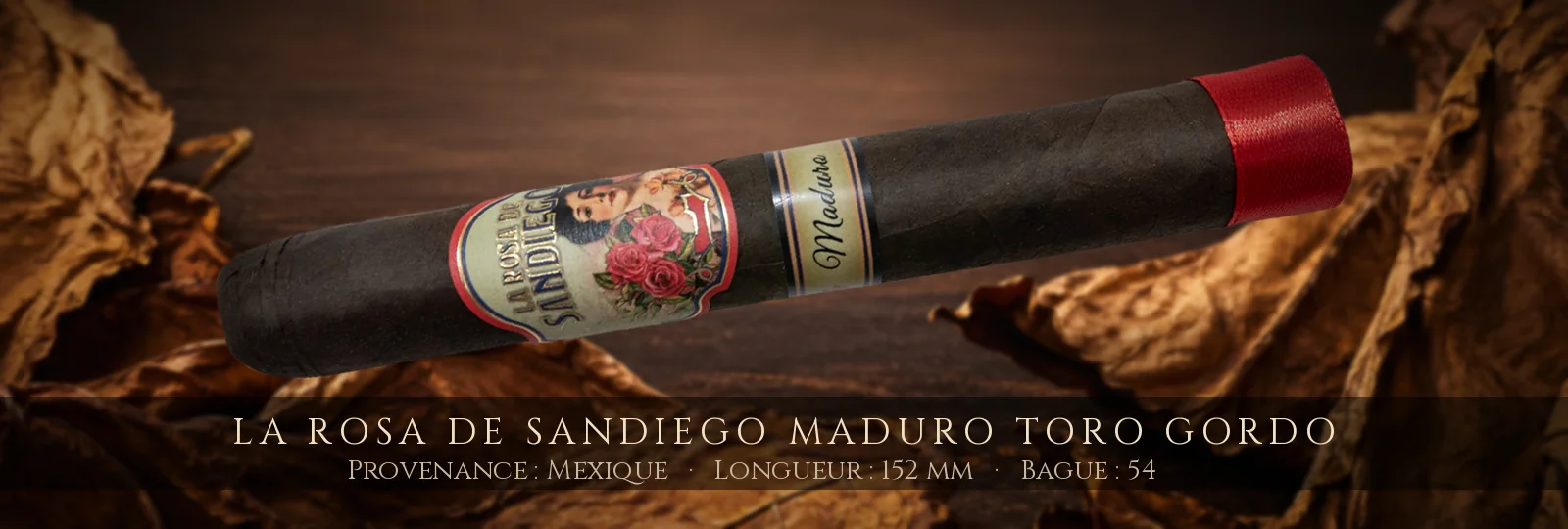 79% match
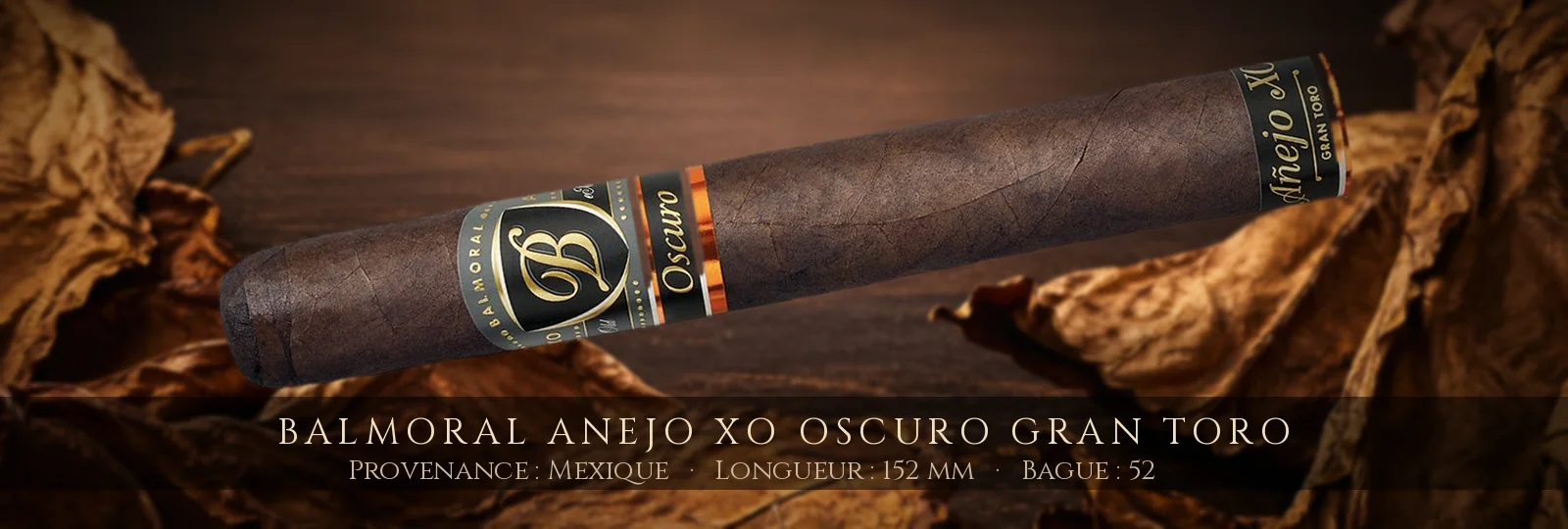
La Rosa de Sandiego
La Rosa de Sandiego Maduro Toro Gordo6 – 10 €
Tasting notes
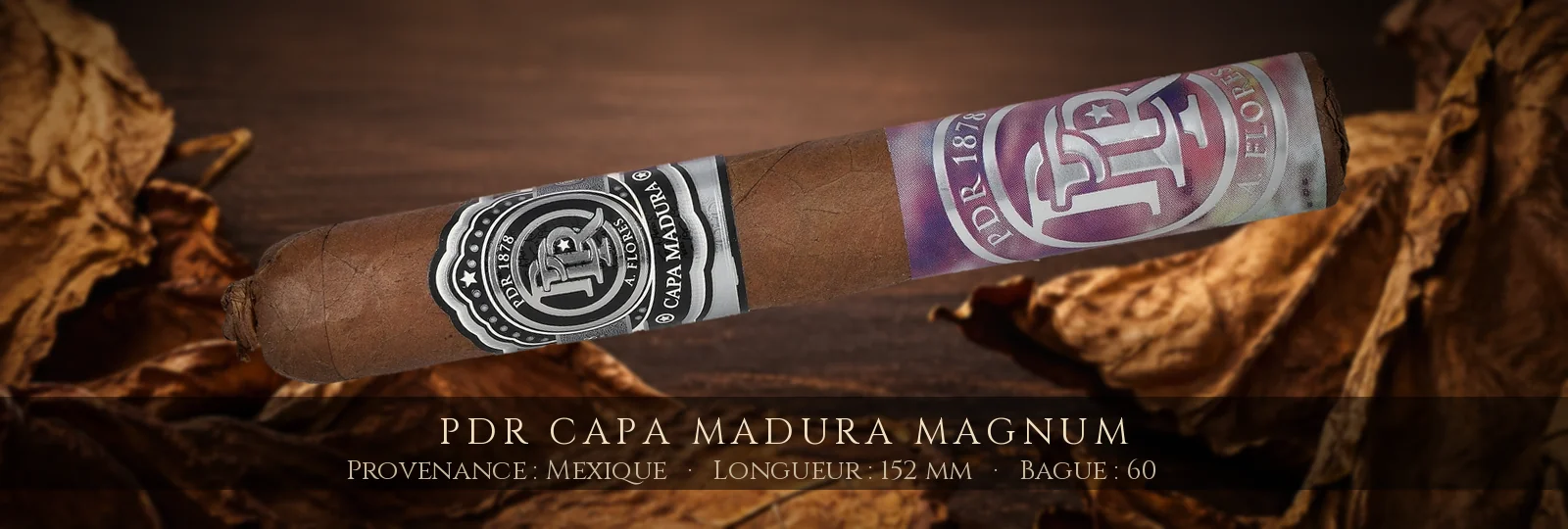
The wrapper of this PDR Capa Madura Magnum catches the eye with a rich texture and a slightly shiny appearance, indicative of the quality of its leaf sourced from Mexico. Upon handling, one feels a convincing robustness that underscores the artisanal craftsmanship of the brand. The overall presentation is appealing thanks to its neat band.
From the first contact, pre-light aromas of cocoa and wood subtly manifest. Upon lighting, the olfactory pleasure reveals notes of coffee that blend with discreet hints of white pepper. Unfortunately, the aromatic evolution is limited, and some may find the experience somewhat unsatisfactory, particularly due to a difficult draw.
On the palate, the complexity of flavor seems to diminish over the three thirds. The slightly charred flavors take precedence, and the evolution is somewhat stagnant. The cigar shows a reluctance to develop, leaving a lingering taste of caramel intertwined with a slight bitterness. The coherence is undermined by uneven burn that disrupts the overall experience.
The finish is short and does not leave a lasting impression, with a balance that is too mediocre between strength and sweetness. This PDR Capa Madura Magnum, while promising on paper, suffers from technical flaws that detract from its magic. What could make it interesting is hindered by issues with draw and burn.
For its tasting, it might be preferable to accompany it with a light coffee or tea in a relaxed setting, although the conditions warrant a bit of prior attention to this choice for a successful experience.
Community impressions
Enthusiasts of this cigar highlight difficulties with the draw that detract from the overall experience. Despite an appealing presentation and interesting pre-light aromas, the uneven burn and short finish leave a sense of incompleteness. This cigar may suit smokers in search of a lighter profile, but the mixed feedback suggests it deserves to be reevaluated with caution.
How to taste: PDR Capa Madura Magnum
▼
1.The Visual Examination
The PDR Capa Madura Magnum stands out with its dark brown wrapper, indicating a pronounced maduro. Its construction, although noted as poor, and its dimensions of 152.4 mm (6") with a ring gauge of 60 give it an imposing appearance.
This initial visual impression allows for anticipation of the forthcoming sensory experience, particularly regarding potential aromas and burn.
2.Pre-light Aromatics
When cold, this cigar exudes aromas of chocolate, wood, and coffee, promising richness. These notes are accompanied by a slight peppery touch and caramel that enrich the olfactory bouquet.
These pre-light aromas provide an initial indication of the cigar's aromatic profile, allowing for a better understanding of the flavors that will develop during the burn.
3.The Cut
A standard straight cut is recommended for this format. Particular care should be taken in execution to avoid damaging the already fragile wrapper.
A clean cut is essential to ensure an easy draw and avoid discomfort during the tasting.
4.Cold Draw
During this stage, the cold draw proves difficult, indicating that special attention will be needed for the subsequent burn. This may influence the comfort of the tasting.
A difficult draw can signal manufacturing defects, highlighting the importance of a check before lighting to determine necessary adjustments.
5.Lighting
A good lighting is crucial to establish an even burn, especially in the face of imperfect construction. It is advisable to take the time to ensure a complete toasting of the foot.
A careful lighting prevents the risks of canoeing, thus facilitating a more enjoyable and balanced smoking experience.
6.First Third
From the outset, the mild strength of the PDR Capa Madura Magnum manifests, accompanied by dominant aromas of chocolate, wood, and coffee. The smoke volume is low, which may alter the perception of flavors.
This initial phase is crucial for familiarizing oneself with the flavor profile, allowing for adjustments in smoking pace to better appreciate the nuances.
7.Second Third
As one progresses, secondary aromas of pepper and caramel begin to add additional complexity. However, the balance remains mediocre throughout this segment.
This aromatic evolution allows for a better grasp of the blend's subtleties, while underscoring the importance of balance for an optimal tasting experience.
8.The Finish
The gray ash falls regularly, reflecting the quality of the tobacco, although the finish is short, with a slight lingering bitterness and no real residual sweetness.
The finish reveals the quality of the ingredients and the manufacturing process, an essential element for evaluating the overall tasting experience.
Community tasting notes
Have you smoked this cigar?
Be the first to share your tasting. Your review helps thousands of enthusiasts make the right choice.
✍️ Write a tasting note